
KCl purity influences furnace operation, potassium sulfate composition, and hydrochloric acid recovery. The certificate value for potassium chloride is only the starting point. Moisture, sodium chloride, magnesium and calcium salts, insolubles, and lot variation affect how a Mannheim process potassium sulfate production line should be controlled.
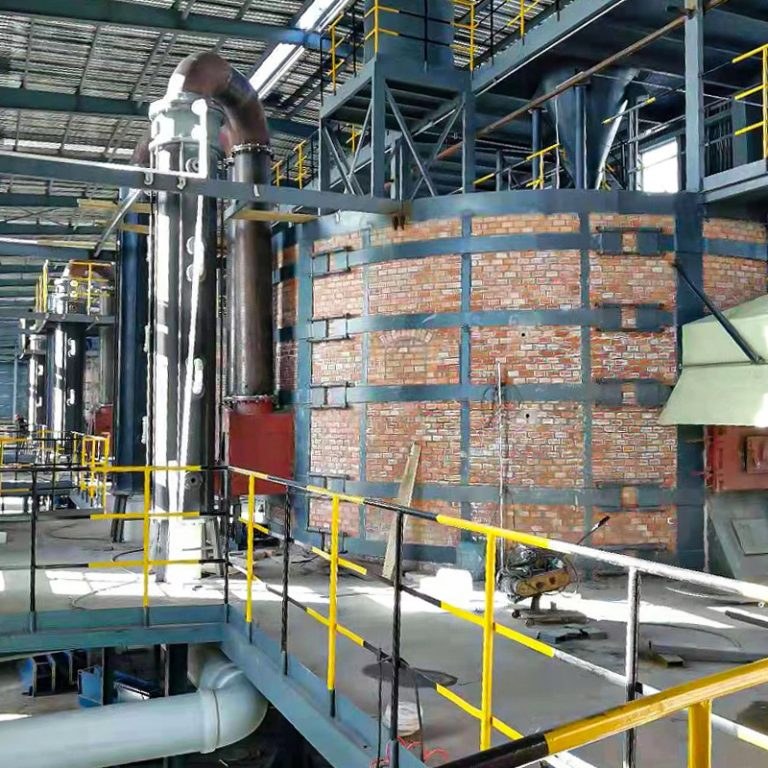
Why KCl Is a Process Variable
The overall reaction is 2KCl + H2SO4 → K2SO4 + 2HCl. Feed with less KCl brings less reactive potassium per tonne, while its water and non-potassium salts still enter the equipment.
Purchasing needs an assay. Engineering needs a mass balance showing potassium entering SOP, chloride leaving with gas or remaining in solids, water entering the furnace, and impurities reporting to product, dust, deposits, or acid.
The reporting basis matters. A dry-basis KCl result excludes moisture, while an as-received value includes the water delivered with the salt. Acid dosing and production planning need a consistent basis. Otherwise, apparent assay changes may be calculation differences rather than real chemistry, or wet feed may receive an unsuitable acid ratio.
| Feed item | Possible effect | Recommended check |
| KCl assay | Potassium balance and acid ratio | COA plus receiving analysis |
| Moisture | Flow, feeding, and heat load | Agreed drying test |
| NaCl | Sodium in product | Ion analysis |
| Mg/Ca salts | Product impurities and deposits | Chemical analysis |
| Insolubles | Dust and residue | Insoluble-matter test |
| Particle size | Metering and reaction uniformity | Sieve analysis |
The useful limits depend on the target fertilizer grade, furnace design, acid quality, and post-treatment route. Buyers should match them to the available chemical production line equipment.
A single headline purity number cannot show which salts make up the remainder. Sodium chloride, magnesium salts, calcium salts, and insoluble mineral matter behave differently. Ion-specific analysis provides a better basis for predicting product composition and deposits than calculating all impurities by difference.
How Assay Changes the Acid Ratio
Dosing should follow reactive KCl, not total bulk mass. If a recipe assumes a higher assay than the salt actually contains, the effective acid dose rises. Free acid may increase. If acid is too low, residual chloride and incomplete conversion become more likely.
The calculation should include measured KCl assay and sulfuric acid concentration, then be checked against product results. Feeder calibration, mixing, residence time, and furnace temperature distribution also affect conversion.
Feed and acid instruments should be verified against actual material use. A calibrated signal can still be misleading if salt bridges above the feeder, if screw fill changes with bulk density, or if acid concentration differs from the value entered in the control system. Periodic reconciliation between inventory change, feeder totals, acid consumption, and product analysis keeps the ratio meaningful.
Why Moisture and Particle Size Matter
Damp salt may compact, bridge, or feed unevenly. The local acid-to-salt ratio then shifts even when control-system setpoints appear steady. Water also adds heat load in a hot acidic environment.
Particle size interacts with moisture. Excess fines can dust or agglomerate; oversized particles may react more slowly. Covered storage, controlled humidity, and a consistent size distribution support stable feeding.
Storage and Lot Control
KCl should be protected from rain, floor moisture, and contamination by other fertilizers or bulk materials. Segregated bays and clear lot identification preserve traceability. When a new lot arrives, receiving samples should represent different parts of the delivery rather than only accessible surface material.
Blending may reduce ordinary variation between approved lots, but the ratio needs to be documented and the blended feed retested when quality is critical. An unknown or failed lot should remain isolated. Once it enters a common pile, identifying its effect on furnace and product data becomes difficult.
Where Other Salts Go
Sodium chloride can react and contribute sodium sulfate to the product, reducing potassium value by mass. Magnesium and calcium compounds may remain in solids, form sulfates, or contribute to deposits. Insolubles may join furnace discharge or dust.
Product Quality Effects
Finished SOP is commonly checked for potassium value, residual chloride, free acidity, moisture, and grade-specific impurities. Sodium deserves separate attention when low-sodium SOP is required. Limits must come from the applicable contract or standard.
Product samples should represent the production period linked to a known feed lot. A grab sample taken during a short disturbance may not describe the average product, while a broad composite can hide a brief off-spec event. The sampling plan should define location, frequency, composite interval, preparation, and retention. Laboratory methods for potassium value, chloride, free acidity, moisture, and sodium should remain consistent over time.
Furnace Signals
A rise in rake-drive current or a change in discharge texture can have several causes. Compare feed analysis with temperature profile, drive current, rate, and product results before blaming raw material or changing furnace settings.
Temperature distribution matters as much as a single average reading. Local cold zones can slow reaction, while excessive local temperature may affect product condition and equipment life. Mechanical movement must expose fresh material and move reaction solids at a controlled rate. Feed quality, thermal condition, and rake performance should therefore be reviewed together.
A useful troubleshooting record aligns KCl lot, acid assay, feed rates, furnace-zone temperatures, drive current, discharge appearance, SOP analysis, and recovered-acid results. This makes it possible to distinguish a raw-material change from an equipment or operating change.
Residual Chloride and Free Acid
Residual chloride may indicate low effective acid, poor contact, short residence time, cold zones, or unstable feeding. Free acid may point to excess acid, uneven distribution, or incomplete reaction. Confirm sampling and laboratory methods before changing the acid rate.
HCl Recovery
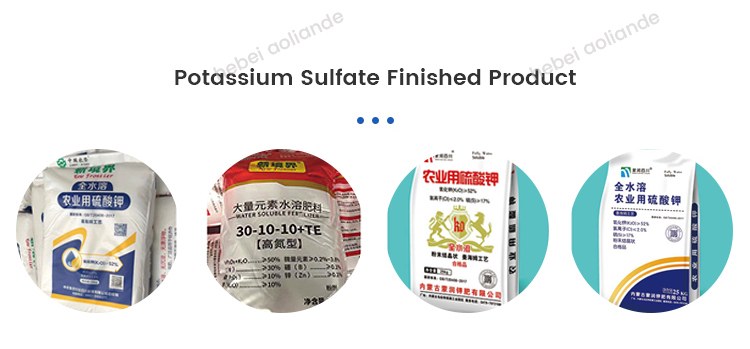
Hydrogen chloride gas is cooled and absorbed to make hydrochloric acid. Water balance, cooling, absorber design, and solids carryover influence its concentration and cleanliness. Wet or contaminated KCl can add load to gas cleaning and absorption.
Recovered acid quality should be sampled on the same timeline as furnace operation. Acid concentration alone does not describe entrained solids or source-related contaminants. Cooling-water condition, absorber circulation, gas-cleaning performance, and water addition can also change the result, so the KCl lot is one part of a broader diagnosis.
Receiving and Blending Plan
- Qualify suppliers using several representative lots.
- Define assay, moisture, NaCl, Mg/Ca, insolubles, and particle size.
- State sampling, test methods, and retest procedures in the contract.
- Segregate uncertain material until results are confirmed.
- Link each lot to feeder, furnace, SOP, and recovered-acid records.
Blending is a control tool, not a way to hide unsuitable feed.
Acceptance limits need corresponding actions. A warning result may trigger confirmatory analysis, segregation, a controlled rate reduction, or an approved blend. A rejection result should prevent release to production. Writing these steps into the receiving procedure avoids improvised decisions when storage space or delivery schedules are tight.
Data Needed for an SOP Plant Proposal
Provide analyses from each source, seasonal moisture, particle size, storage method, acid concentration, target SOP grade, desired HCl concentration, capacity, utilities, and site conditions. Buyers can contact the project team with this data.
Хэбэй Aoliande Chemical Equipment Co., LTD. supplies Mannheim process potassium sulfate production line equipment and engineering support. Its published reference includes a potassium fertilizer operation in Inner Mongolia with stated annual capacities of 160,000 tonnes of potassium sulfate and 200,000 tonnes of high-quality hydrochloric acid. Each project still requires an agreed feed and performance basis.
Вывод
KCl purity is a plant-control input, not only a purchasing metric. Assay sets the potassium balance; moisture and size affect feeding; other salts and insolubles influence product and equipment behavior. Connect laboratory limits to acid ratio, furnace data, final SOP tests, and HCl recovery.
Часто задаваемые вопросы
What KCl purity is needed for SOP production?
It depends on the target SOP grade and furnace design. Moisture, sodium chloride, magnesium, calcium, insolubles, and particle size also need limits.
How do KCl impurities affect SOP quality?
Non-potassium salts add mass without contributing the intended potassium and may appear as sodium, magnesium, calcium, chloride, or other constituents.
Why does moisture matter?
Moisture can make salt bridge or feed unevenly, add heat load, and disturb the local acid-to-salt ratio.
What causes residual chloride?
Possible causes include insufficient acid, poor contact, short residence time, cold zones, unstable feed, or low actual KCl assay.
Does KCl quality affect recovered HCl?
Yes. Moisture changes water balance, while fine solids or contaminants can increase gas-cleaning and absorption duty.