
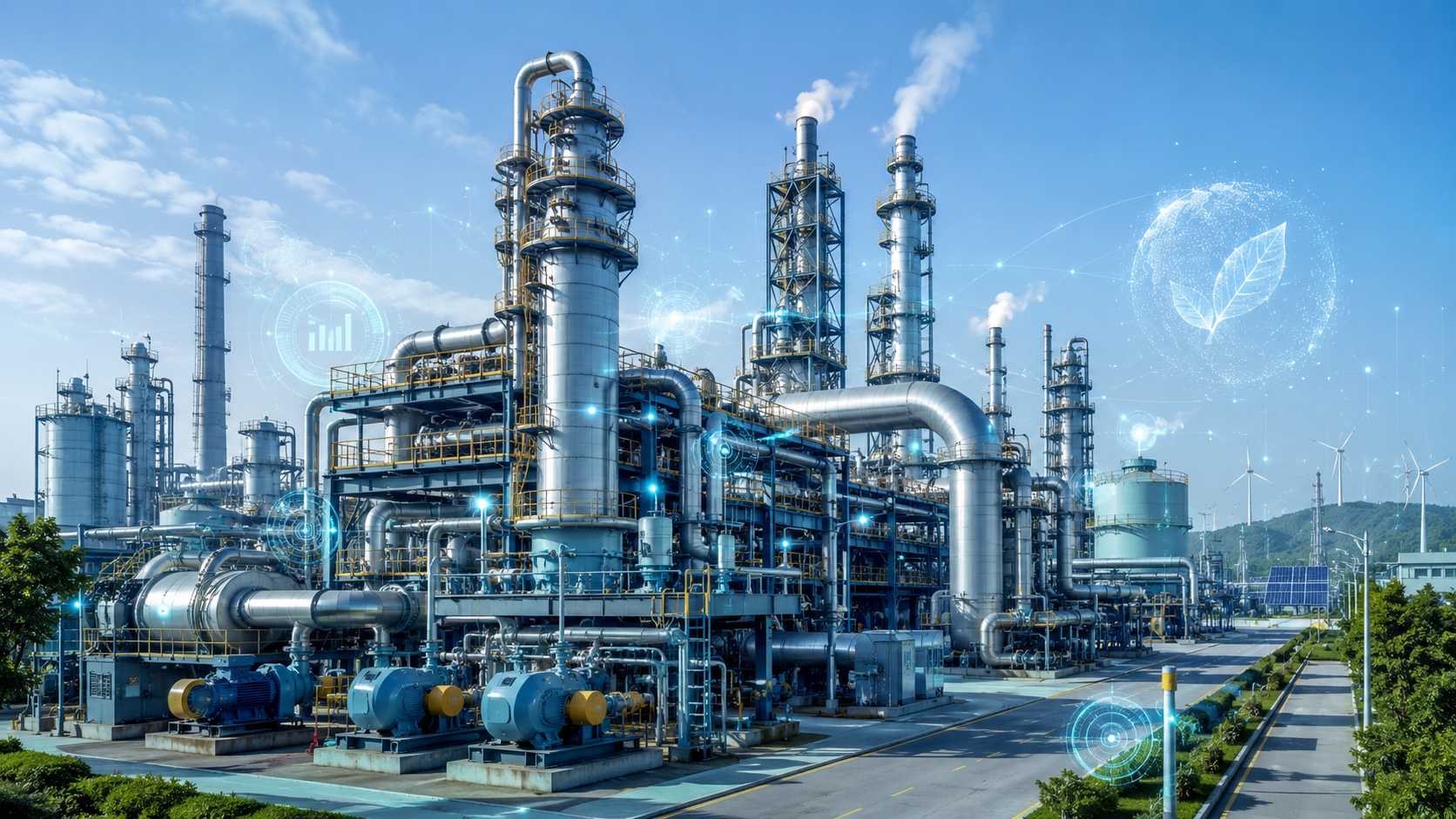
Sulfuric acid is used in the manufacture of phosphate fertilizers, metals, oil refineries, mining operations, pigments, batteries, and numerous chemicals. Plant capacity is no longer the defining feature of success. Customers now benchmark production lines for their sulfuric acid based on steam balance, electricity consumption, efficiency, corrosion management, and capacity to grow.
Smart plant upgrades with reduced carbon footprint incorporate process optimization with energy recovery, efficient pumps and fans, energy management system, and condition-based maintenance. This ensures lower electricity consumption per ton, increased heat recovery, and improved early detection of failures.
Where Energy Is Used in a Sulfuric Acid Production Line
The process can consist of sulfur melting, sulfur combustion and conversion, drying and absorption, and acid finishing. These processes require energy at different levels, hence energy audit should be done based on energy and material flow.
Sulfur Melting and Filtration
Solid sulfur is transported to a melting tank, filtered, stored as clean liquid sulfur, and delivered to the combustion furnace by pumping. Typically, the sulfur is maintained at about 135–145°C. Steam heaters or steam jackets are necessary for tanks, pumps, valves, and pipelines to ensure fluidity. Condensate return should be considered because low condensate recovery, poor insulation, and long transportation lines might increase steam usage silently.
Inspection procedures may involve surface temperature of sulfur-insulation, steam trap inspection, work of the sulfur pump, and difference between the actual sulfur storage temperature and required process temperature. Excessively high temperatures will lead to waste of steam, while low temperatures may result in increased viscosity and poor flow characteristics.
Combustion, Conversion, and Heat Recovery
The sulfur is combusted in dry air to produce sulfur dioxide, which is passed into catalytic units to convert sulfur dioxide to sulfur trioxide. These processes release great quantities of heat. In an integrated plant, this heat can be effectively utilized in a waste heat boiler, superheater, heat exchanger, and economizer rather than released using coolers and chimney exhaust system.
A representative sulfur-burning process cools furnace gas from roughly 970°C to about 420°C before the first conversion stage. Later exchangers recover more heat while setting each catalyst-bed inlet temperature. Double conversion and double absorption can support high conversion and low residual sulfur dioxide when gas composition, temperature, pressure drop, and catalyst condition stay within range.
Drying, Absorption, and Acid Circulation
The drying tower removes water from process air with concentrated acid. Absorption towers then capture sulfur trioxide in circulating sulfuric acid. The circulation path is simple—tank, pump, acid cooler, tower, and back to the tank—but the operating conditions are demanding.
Acid concentration, temperature, flow, cooler performance, and pump efficiency affect product quality and power use. Oversized pumps may run behind throttled valves for years. Better sulfuric acid pump selection starts with measured flow, head, concentration, temperature, corrosion rate, and suction conditions.
A Practical Low-Carbon Upgrade Framework
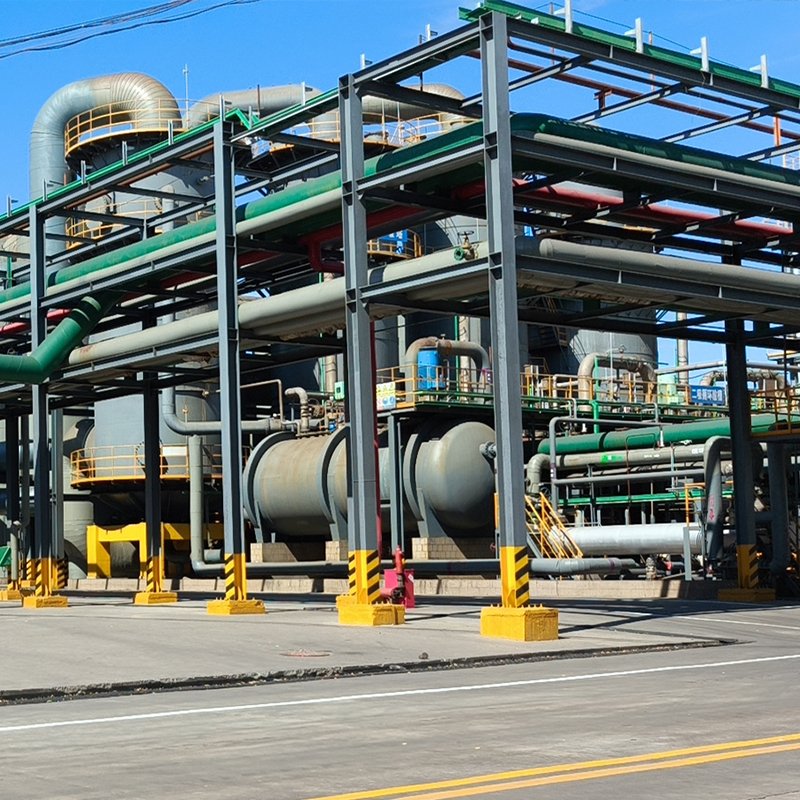
The strongest projects combine process changes, equipment changes, and operating discipline. Replacing one inefficient pump may save power, but the full gain appears only when control logic, pipe resistance, pump scheduling, and process demand are reviewed together.
| Upgrade area | Typical issue | Practical action | Main indicator |
| Waste heat recovery | Heat rejected while steam is imported | Review boilers, superheaters, economizers, and steam balance | Steam per tonne of acid |
| Pumps and blowers | Fixed speed and throttling losses | Match equipment to measured duty and add speed control | kWh per tonne |
| Acid cooling | Excess flow or fouled surfaces | Track temperature approach and pressure drop | Cooling duty and pump power |
| Digital control | Separate process and energy records | Connect power, flow, pressure, and condition data | Energy variance |
| Техническое обслуживание | Calendar overhaul or emergency repair | Trend vibration, temperature, current, and corrosion | Unplanned downtime |
Start With the Energy Baseline
An energy audit should cover at least four weeks of stable production. Record acid output, electricity, steam generation, cooling-water load, blower power, pump power, and shutdown time. Normalize the figures by tonnes of finished acid. Daily totals can hide losses during low-rate operation, startup, or idle running.
The baseline also prevents exaggerated savings claims. A documented retrofit covering ten circulation-acid and cooling-water pumps recorded a 23.8% combined electricity saving, a production-cost reduction of RMB 5.53 per tonne, and an annual carbon reduction of 1,861.3 tonnes. These figures show the potential of system-level work, but they are not a guaranteed result for every plant.
Match Pumps and Blowers to Real Demand
Pump and blower upgrades should begin with field measurements, not nameplate data. Flow may change after debottlenecking, pipe replacement, tower packing work, or production-rate changes. Equipment sized for a future maximum load may spend years far from its best efficiency point.
Useful field actions include:
- Testing flow, pressure, power, vibration, and bearing temperature at several production rates
- Checking whether control valves are routinely less than half open
- Comparing parallel-pump combinations instead of always running the same units
- Reviewing pipe fouling, undersized branches, and unnecessary bypass flow
- Setting minimum safe flow and process limits before variable-speed operation begins
Add Smart Control Without Weakening Process Safety
AI energy control can support operators by finding efficient pump combinations, adjusting speed to demand, and flagging abnormal energy use. It should sit inside a clear control hierarchy. Protective trips, interlocks, manual fallback, and approved operating limits remain independent.
A smart sulfuric acid plant needs an energy management platform that shows unit power consumption, equipment efficiency, baseline deviation, and likely causes. Vibration, temperature, motor current, pressure, and corrosion trends can move maintenance toward predictive maintenance.
Hebei Aoliande Chemical Equipment Co., Ltd.
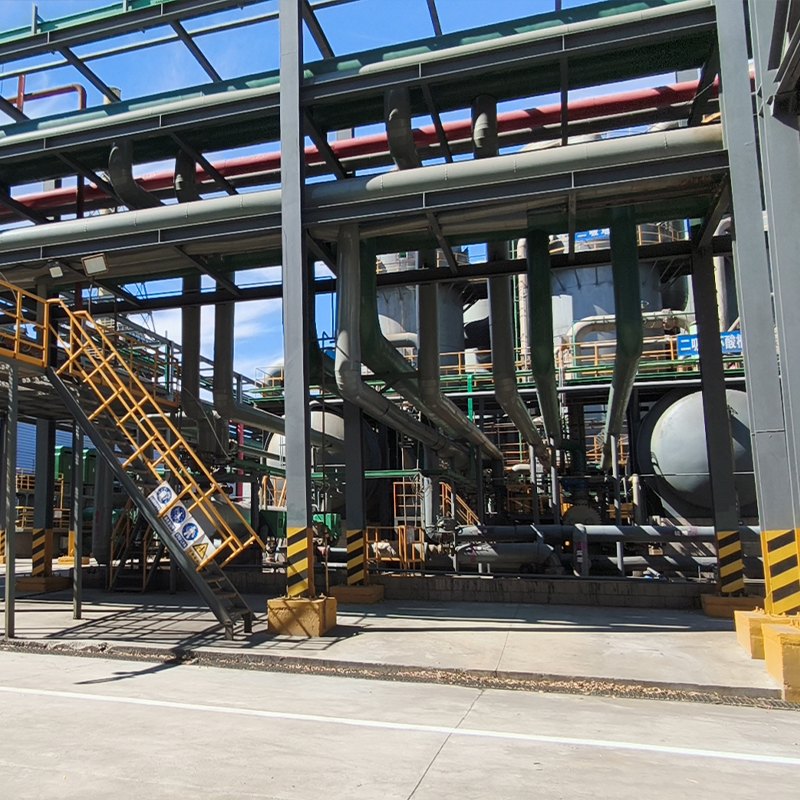
Hebei Aoliande Chemical Equipment Co., Ltd. supplies chemical production lines and related industrial equipment, including sulfuric acid production line systems. Its scope covers equipment manufacturing as well as material, structural, and product design. Project support can include technical advice, equipment and material supply, transportation, and installation supervision.
The company has more than 300 employees, including research, engineering, and quality-control personnel, and holds quality, environmental, and occupational health and safety management certifications. Its fabrication and engineering resources support projects that combine plant layout, corrosion-resistant materials, heat recovery, and commissioning work.
Вывод
Low-carbon sulfuric acid production is built through linked decisions: stable sulfur preparation, efficient combustion air supply, high conversion, strong heat recovery, well-matched circulation equipment, clean acid cooling, and reliable process data. The first step is not buying more hardware. It is measuring where energy is lost and where operating risk is rising.
For a new sulfuric acid production line or an existing plant upgrade, a useful technical inquiry should include annual capacity, sulfur feed quality, product concentration, local emission limits, steam requirements, power conditions, water quality, site climate, and preferred project scope. Clear input data leads to a more accurate process proposal, equipment list, utility balance, and budget.
Часто задаваемые вопросы
What are the main sections of a sulfuric acid production line?
The common sections are sulfur melting and filtration, sulfur combustion and conversion, drying and absorption, and final product cooling and storage. Waste heat recovery, tail-gas treatment, electrical control, and acid transfer systems support these core sections.
How can a sulfuric acid plant reduce electricity use?
The largest opportunities often involve air blowers, circulation acid pumps, cooling-water pumps, and throttled systems. Field testing, correct equipment sizing, variable-speed control, pipe-resistance checks, and better pump scheduling can cut avoidable power use.
What data is needed for sulfuric acid pump selection?
Key data includes acid concentration, operating and maximum temperature, normal and peak flow, total head, suction conditions, solids content, corrosion allowance, material requirements, motor standard, and maintenance access. A duty range is more useful than one design point.
Can an existing sulfuric acid plant be upgraded in stages?
Yes. Many plants begin with metering and an energy baseline, then upgrade the highest-cost pumps or blowers. Heat recovery, smart control, condition monitoring, and wider process changes can follow after the first savings are verified.
What affects sulfuric acid production line cost?
Cost is shaped by annual capacity, raw material route, conversion and absorption design, heat recovery level, emission controls, construction materials, automation, local utility conditions, civil work, shipping, installation, and commissioning requirements.