
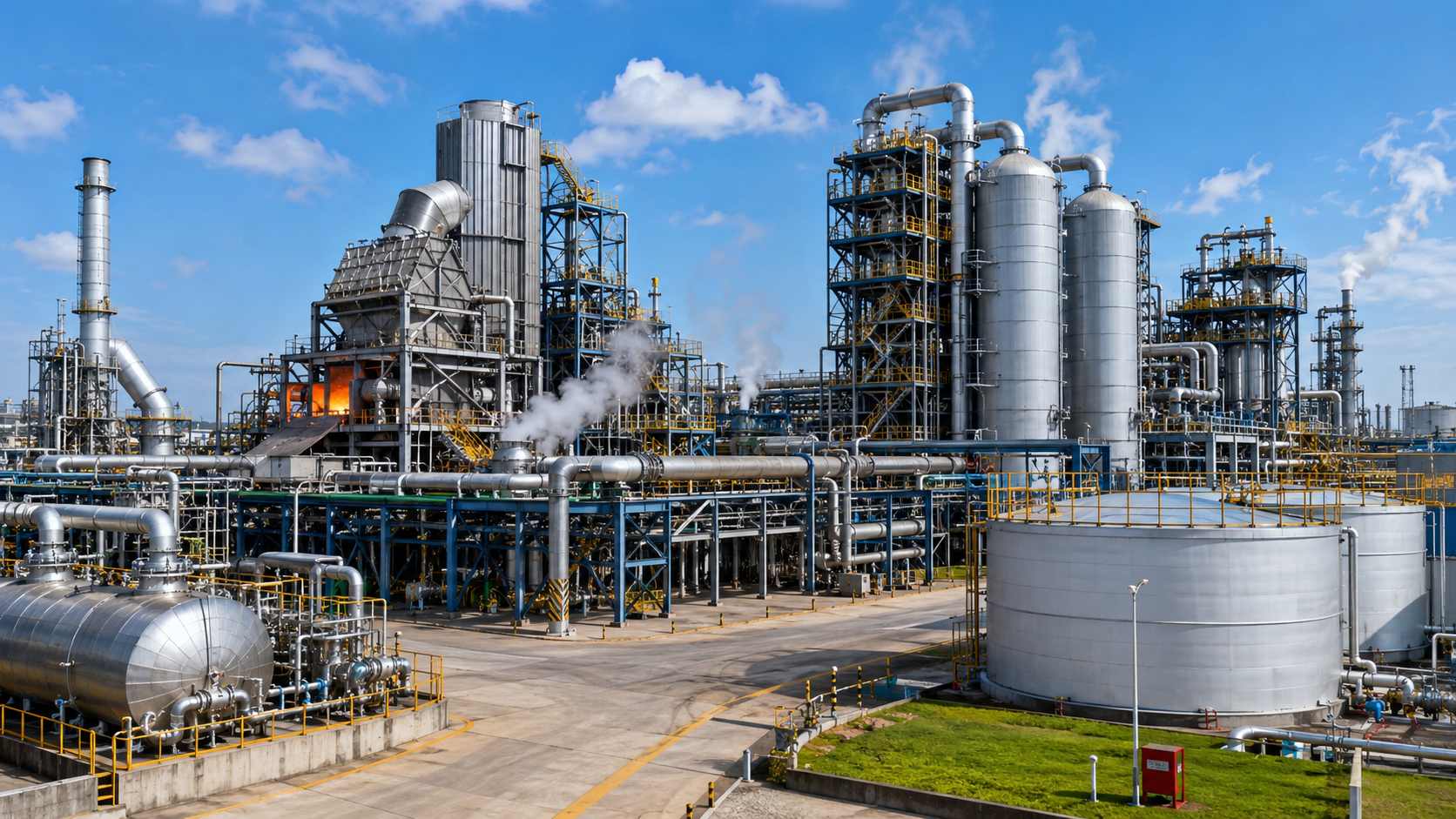
Choosing a sulfuric acid production line supplier is not the same as buying a single piece of chemical equipment. A complete acid plant connects raw material handling, sulfur melting, gas generation, catalytic conversion, absorption, cooling, acid storage, tail gas treatment, utilities, instruments, and site installation. One weak section can affect output, emission control, product concentration, steam balance, and maintenance cost.
For an industrial buyer, the right sulfuric acid plant supplier should be judged by engineering depth, not only by the first quotation. A low equipment price may look attractive at the bidding stage, but poor process matching, unsuitable materials, or limited commissioning support can create years of operating trouble. A practical supplier should be able to discuss capacity, sulfur quality, local emission rules, 98% sulfuric acid production, plant layout, operating cost, and future maintenance in one complete technical proposal.
Why Supplier Selection Matters for a Sulfuric Acid Production Line?
A sulfuric acid production line works under high temperature, corrosive acid, sulfur dioxide gas, and strict environmental control. This is why supplier selection directly affects safety, operating stability, and long-term return.
It affects more than equipment delivery
A reliable sulfuric acid production line supplier helps buyers avoid common project risks before the first foundation is built. These risks often appear in areas such as:
- Unstable acid concentration after startup
- Higher SO₂ emission than expected
- Poor heat recovery from furnace gas
- Frequent blockage in sulfur filtration
- Corrosion in acid pipelines or tower internals
- Delays caused by unclear installation interfaces
In many projects, the main loss does not come from the purchase price. It comes from unplanned shutdowns, late commissioning, extra civil work, weak spare parts planning, and low steam recovery. A strong supplier should be able to explain how each process section affects daily operation, not just list the equipment name.
Does the Supplier Know the Complete Sulfuric Acid Production Process?
A sulfuric acid plant is a connected system. The supplier must know how the gas, acid, heat, and utility streams move through the plant.
A clear process route should come first
For a sulfur burning sulfuric acid plant, the process usually includes four main sections: sulfur melting, sulfur combustion and conversion, drying and absorption, and final product handling.
In the sulfur melting section, solid sulfur is melted, filtered, stored, and then sent to the combustion system. Practical details matter here. For example, molten sulfur should be kept at a suitable temperature, sulfur pipelines need heating or insulation, and filters must be selected for the expected impurity level.
In the sulfur combustion and conversion section, molten sulfur is sprayed into the combustion furnace. Dried air supports combustion and generates SO₂-containing furnace gas. The hot gas then passes through a waste heat boiler, converter, heat exchangers, and catalyst beds. This is where the plant’s conversion rate, steam recovery, and temperature control are shaped.
The drying and absorption section is just as important. Dry air helps reduce moisture-related corrosion and process instability. Absorption towers use concentrated sulfuric acid to absorb SO₃ and produce finished acid. Final product handling then covers cooling, metering, storage, and loading.
A supplier that cannot clearly explain this flow may struggle when the project enters detailed design.
Can the Supplier Match Process Design to Capacity and Raw Material?
No two acid plant projects are exactly the same. A fertilizer plant, a chemical plant, and a metallurgical operation may all need sulfuric acid, but their process targets can be very different.
Capacity, acid concentration, and utilities must fit the site
Before requesting a sulfuric acid plant quotation, buyers should prepare basic project data. This does not need to be perfect at the early stage, but it should be detailed enough for the supplier to build a realistic technical direction.
Key information includes:
| Project item | Why it matters |
|---|---|
| Annual or daily capacity | Affects furnace size, converter design, tower size, cooling area, and storage volume |
| Sulfur quality | Affects melting, filtration, ash handling, and catalyst protection |
| Target acid concentration | Common industrial projects may require stable 98% sulfuric acid production |
| Local emission limit | Affects DCDA process design, absorption stages, scrubber selection, and stack treatment |
| Steam and water condition | Affects waste heat recovery, cooling system, and operating cost |
| Site space | Affects plant layout, pipe routing, tank position, and maintenance access |
For example, a plant built beside a fertilizer production unit may focus on stable acid supply and steam balance. A chemical plant may care more about acid purity, storage flexibility, and continuous feeding to downstream processes. A project in a region with strict SO₂ limits needs stronger emission control from the beginning, not after the equipment is shipped.
What Equipment Should a Qualified Sulfuric Acid Plant Supplier Provide?
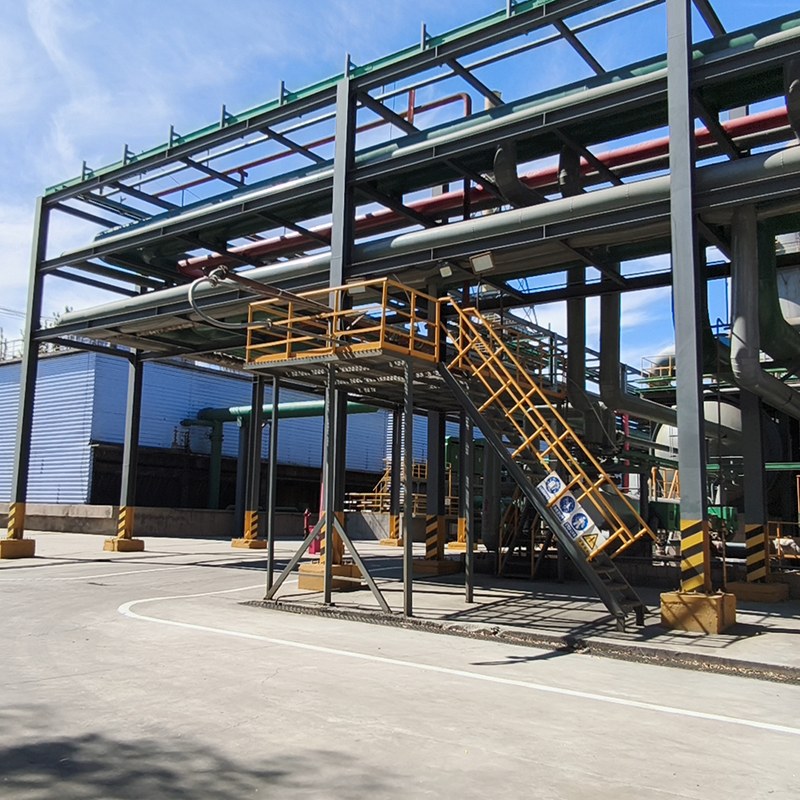
A complete sulfuric acid production equipment package should match the process flow and site conditions. Buyers should not only ask, “What is included?” They should ask whether the equipment list covers real operation needs.
Core equipment should be checked one by one
A practical sulfuric acid plant equipment list may include:
- Rapid sulfur melting tank
- Molten sulfur filter
- Refined sulfur storage tank
- Sulfur pump and sulfur gun
- Sulfur combustion furnace
- Air filter and air blower
- Waste heat boiler
- Gas converter
- Superheater, economizer, and heat exchanger
- Drying tower
- First absorption tower
- Second absorption tower
- Acid circulation tank
- Acid pump and acid cooler
- Demister
- Alkali scrubber
- Sulfuric acid storage tank
- Electronic flow meter and loading system
This list gives buyers a better way to compare suppliers. If two offers have very different prices, the reason may not be “cheaper equipment.” One quotation may include heat recovery, acid cooling, instruments, and startup tail gas treatment, while another may leave several parts outside the supply scope.
A sulfuric acid plant supplier should also explain which parts require special materials, which parts need insulation, and which parts should be easy to access during maintenance.
Does the Supplier Have DCDA and Emission Control Experience?
Environmental control is now a core buying factor for sulfuric acid plants. The supplier should be able to discuss SO₂ conversion rate, absorption efficiency, startup gas treatment, and tail gas routing in practical terms.
DCDA design helps reduce SO₂ loss
A DCDA sulfuric acid plant uses a double contact double absorption process. In simple terms, the gas is converted and absorbed in stages instead of relying on one pass. This process helps increase SO₂ conversion and reduce emissions when the plant is properly designed and operated.
For buyers, the question is not only whether the supplier can say “DCDA.” The supplier should be able to explain:
- How many catalyst stages are used
- How gas temperature is controlled before each catalyst bed
- How intermediate absorption and final absorption are arranged
- How 98% sulfuric acid is used in drying and absorption
- How tail gas is handled during startup
- Whether an alkali scrubber is included for startup conditions
A good technical proposal should show how the converter, absorption towers, heat exchangers, demisters, and scrubber work together. This matters because emission problems often appear during startup, shutdown, load changes, or poor acid concentration control.
How Can Waste Heat Recovery Affect Operating Cost?
Sulfuric acid production releases a large amount of heat. If this heat is not handled properly, the plant may waste energy and increase cooling load. If it is recovered well, the plant can generate useful steam and cut long-term operating cost.
Heat recovery should be designed early
The waste heat boiler is one of the most important pieces of equipment in a sulfur burning sulfuric acid plant. Hot furnace gas can be cooled before entering the converter, while useful heat is recovered for steam generation. Additional heat exchangers, superheaters, and economizers can help control gas temperature and improve the plant’s energy balance.
This is not a small detail. A buyer comparing sulfuric acid production line cost should ask how much heat is recovered, where the steam can be used, and how the cooling system is arranged. A plant with better heat recovery may require a higher first investment, but it can lower fuel or utility cost over years of operation.
Should Buyers Choose Equipment Supply or a Turnkey Plant Partner?
Some buyers only need equipment supply because they already have an engineering team. Others need a turnkey sulfuric acid plant partner because the project involves new construction, overseas installation, or limited in-house process knowledge.
Scope should be clear before price comparison
The table below shows how different cooperation models affect project risk.
| Supply model | Suitable buyer | Main point to check |
|---|---|---|
| Equipment-only supply | Companies with their own process and installation team | Interface drawings, material scope, spare parts, and delivery boundary |
| Process plus equipment supply | Buyers with some project experience | Process design, equipment matching, layout support, and technical documents |
| Turnkey sulfuric acid plant support | New plant investors or overseas buyers | Engineering scope, installation guidance, commissioning, training, and acceptance standard |
A sulfuric acid plant EPC contractor or turnkey supplier should give more than a price sheet. The buyer should expect a process flow diagram, equipment list, utility consumption, layout guidance, material selection notes, installation plan, and commissioning support scope.
The clearer the scope, the fewer disputes appear later.
How Should Materials and Manufacturing Quality Be Evaluated?
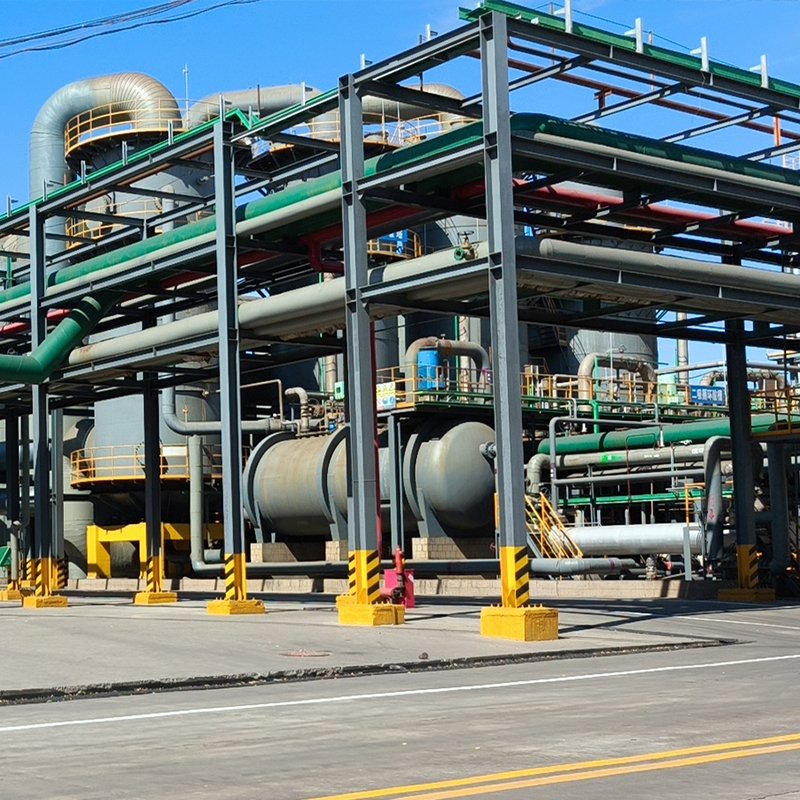
Sulfuric acid is highly corrosive, and the plant includes both hot gas service and concentrated acid service. Material selection is one of the easiest places to make a costly mistake.
Corrosion resistance must match each process section
A qualified sulfuric acid plant manufacturer should choose materials based on temperature, acid concentration, gas composition, pressure, and maintenance conditions.
For example, molten sulfur pipelines usually need heating and insulation to avoid freezing or blockage. Concentrated acid pipelines require materials that can resist corrosion during stable operation. Acid coolers, circulation tanks, tower internals, pumps, and valves must be selected for the actual acid concentration and temperature range.
Buyers should ask for clear material specifications, not general words such as “high quality steel.” Good questions include:
- What material is used for concentrated acid pipelines?
- Are acid return and product acid pipelines treated differently?
- How are tower internals selected?
- What parts need anodic protection or corrosion-resistant materials?
- Which spare parts should be stored before startup?
Good manufacturing quality also means better welding, fewer leakage points, smoother installation, and easier maintenance.
What Documents Should Buyers Request Before Ordering?
A serious supplier should be able to provide technical documents that help buyers compare offers fairly.
A full technical proposal reduces hidden cost
Before placing an order, buyers should request:
- Process flow diagram
- Main equipment list
- Utility consumption list
- Plant layout drawing
- Material specification
- Emission control description
- Waste heat recovery description
- Installation and commissioning plan
- Spare parts list
- Operation and maintenance guidance
- Commercial quotation with clear supply boundary
These documents help the buyer see what is included and what is not. They also help the project team prepare civil work, utilities, foundation, storage area, pipeline routing, and installation tools.
A simple price sheet may be enough for small equipment. It is not enough for a sulfuric acid production line.
Hebei Aoliande as a Sulfuric Acid Production Line Supplier
Хэбэй Aoliande Chemical Equipment Co., LTD. works in chemical production line equipment and related engineering support. Its product range covers sulfuric acid production line systems, Mannheim process potassium or sodium sulfate production lines, calcium chloride production lines, water soluble fertilizer production lines, HPMC production lines, and FRP/GRP equipment.
Practical support for industrial acid plant projects
As a sulfuric acid production line supplier, Hebei Aoliande provides equipment connected with sulfur melting, sulfur combustion and conversion, drying and absorption, and final product storage. The sulfuric acid line is built around practical production needs, including molten sulfur filtration, combustion furnace, waste heat boiler, converter, drying tower, absorption towers, acid circulation system, product acid cooling, storage tanks, and startup tail gas treatment.
The company also has material, structure, and product design capability, along with technical consulting, material supply, transportation, and installation guidance services. For overseas industrial buyers, this matters because many acid plant problems come from unclear scope, poor equipment matching, and weak project communication before shipment.
Вывод
Choosing a sulfuric acid production line supplier should start with process fit, not only price. A reliable supplier should be able to match plant capacity, sulfur quality, 98% sulfuric acid production targets, DCDA process needs, SO₂ emission limits, heat recovery goals, equipment materials, and commissioning support.
For buyers planning a new sulfur burning sulfuric acid plant, the best first step is to prepare project data such as capacity, raw material, local environmental requirement, utility condition, site size, storage demand, and expected supply scope. With this information, a supplier can give a more useful technical proposal and a more realistic sulfuric acid production line quotation.
Часто задаваемые вопросы
What is the most important factor when choosing a sulfuric acid production line supplier?
The most important factor is complete process capability. A good sulfuric acid production line supplier should be able to design and supply equipment for sulfur melting, combustion, conversion, drying, absorption, heat recovery, final acid storage, and emission control. Price matters, but process matching decides whether the plant can run safely and steadily.
What equipment is included in a sulfuric acid production line?
A sulfuric acid production line may include sulfur melting tanks, molten sulfur filters, sulfur pumps, sulfur combustion furnace, waste heat boiler, gas converter, heat exchangers, drying tower, absorption towers, acid circulation tank, acid coolers, demister, alkali scrubber, sulfuric acid storage tanks, and loading equipment. The final scope depends on plant capacity and project design.
What is a DCDA sulfuric acid plant?
A DCDA sulfuric acid plant uses a double contact double absorption process. The gas passes through staged catalytic conversion and staged absorption to increase SO₂ conversion and reduce tail gas emissions. This process is often selected for industrial sulfuric acid plants with stricter environmental targets.
How much does a sulfuric acid production line cost?
Sulfuric acid production line cost depends on capacity, process design, equipment scope, material selection, waste heat recovery, emission control system, automation level, installation service, and storage requirements. A serious quotation should include both technical scope and commercial terms.
What information is needed to request a sulfuric acid plant quotation?
Buyers should provide planned capacity, sulfur quality, target acid concentration, local emission limit, utility condition, site size, storage demand, installation location, and required supply scope. These details help the supplier prepare a more accurate sulfuric acid plant technical proposal.