
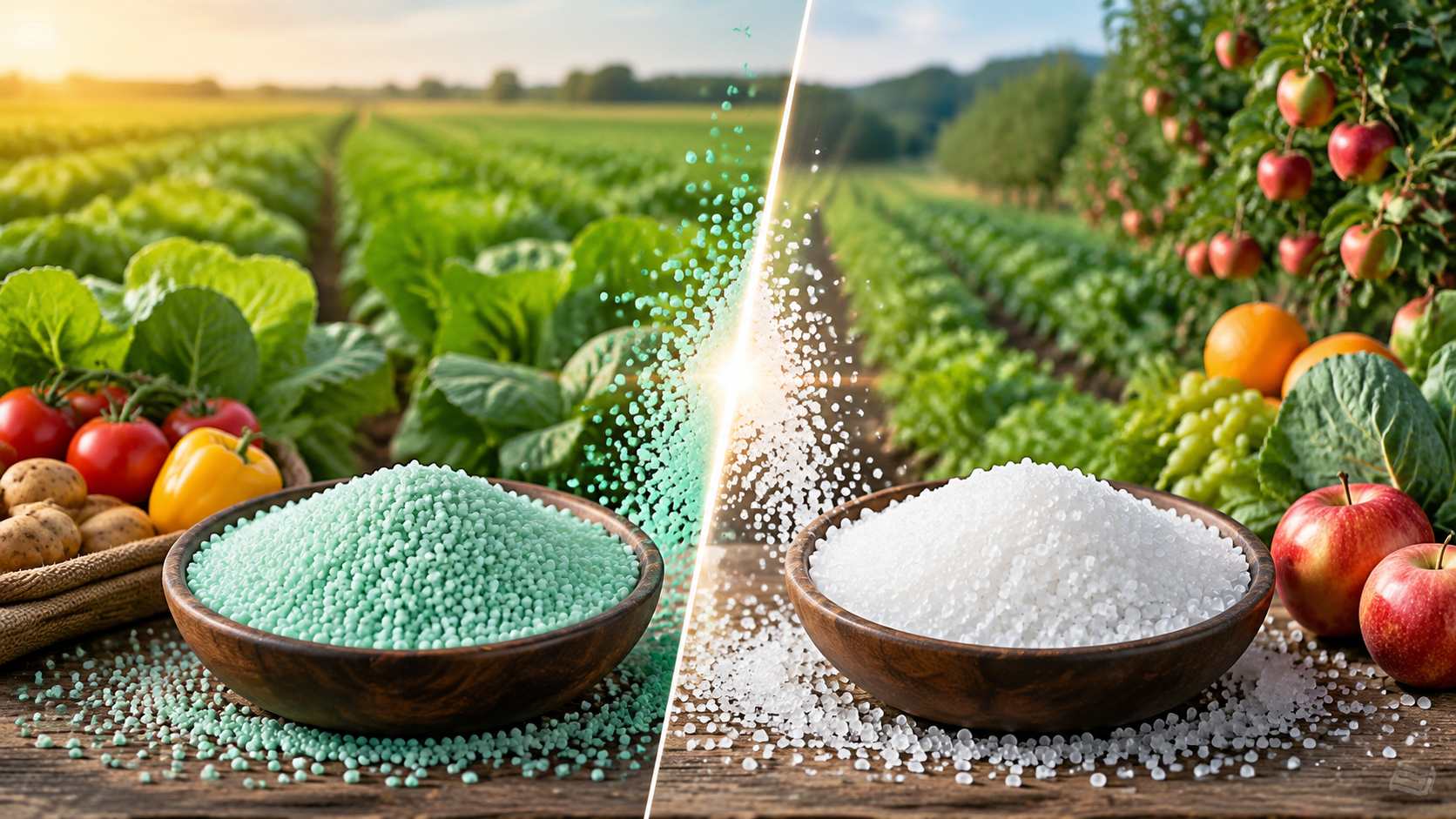
Potassium is an essential nutrient for plant growth. It helps the plants in the process of water regulation, photosynthesis, and formation of healthy fruits and tubers. In the selection of a fertilizer for potassium, there is more to consider than the fertilizer with the maximum K nutrient concentration. The actual choice to make is between potassium sulfate and potassium chloride.
Potassium chloride is popularly referred to as muriate of potash or MOP fertilizer. This is a safe choice for most field crops. However, potassium sulfate fertilizer is popularly known as sulfate of potash or SOP fertilizer. This fertilizer offers two purposes in one package. Besides offering potassium, it also offers sulfur, and at the same time, it offers minimum chloride content. This is vital especially in case of valuable farming, greenhouses, saline conditions, and chloride-sensitive crops.
What Is Potassium Sulfate Fertilizer?
The chemical formula of potassium sulfate fertilizers is K2SO4. They are usually sold as 0-0-50 fertilizer, which means that they have about 50% K2O. Also, potassium sulfate provides sulfate sulfur.
There are two important things to consider when adding chloride into your nutrient mix – application rate and crop response. Chloride may be contained in irrigation water, soil salts, manure, or previous applications. Under such conditions, SOP is a low-chloride potassium fertilizer. This helps farmers control the salt level close to the roots. Sulfate of potash is the best option for crops sensitive to chloride.
What Is Potassium Chloride Fertilizer?
Formula of potassium chloride fertilizer is KCl. It comes as a 0-0-60 grade fertilizer in most of the cases. Due to its higher concentration of potassium and low cost, MOP fertilizer is always preferred for commercial agricultural practices.
Potassium chloride may be used as fertilizer for those crops which can withstand the presence of chloride ions or conditions of soil where salt deposits cannot be formed. But in case the quality of crops is taken into consideration, the choice of fertilizer becomes extremely significant.
Potassium Sulfate vs Potassium Chloride: Key Differences
While both products deliver potassium, they introduce different companion ions into the ground. This distinction alters how they perform across various crop and soil settings.
| Фактор | SOP Fertilizer | MOP Fertilizer |
|---|---|---|
| Main compound | Potassium sulfate, K₂SO₄ | Potassium chloride, KCl |
| Typical K₂O grade | About 50% | About 60% |
| Companion nutrient/ion | Sulfur | Хлорид |
| Chloride input | Very low | Высокий |
| Relative salt index | Ниже | Высше |
| Common fit | High-value, chloride-sensitive crops | Chloride-tolerant, cost-sensitive crops |
Potassium sulfate offers a lower relative salt index compared to potassium chloride. Agronomic experts suggest that you should always verify chloride sensitivity before selecting your K source.
Comparing SOP versus MOP fertilizer proves that the price per tonne is only part of the story. You must also consider crop sensitivity, the need for sulfur, water quality, soil salinity, and how the fertilizer is applied to maximize harvest value.
Why Farmers Prefer SOP Fertilizer for Certain Crops
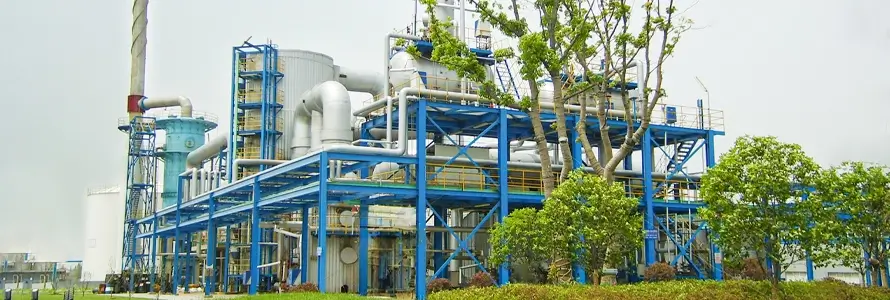
The demand for SOP fertilizer is highest when avoiding chloride or adding sulfur creates real economic value. These benefits vary based on the specific crop and the local environment.
Better Fit for Chloride-Sensitive Crops
Potatoes are a prime example. Research comparing KCl with K₂SO₄ has shown differences in starch levels, dry matter, and storage life. Tobacco is another major crop where potassium sulfate is preferred to avoid the negative effects of chloride on leaf quality.
SOP is also a staple in nutrient plans for various fruits, vegetables, and nuts. It is frequently used in the following scenarios:
- Potatoes grown for processing where high dry matter is required.
- Tobacco production where leaf chloride must stay low.
- Fruit and vegetable fields already dealing with high soluble salts.
- Greenhouse or fertigation systems with restricted root zones.
- Crops that have a simultaneous need for potassium and sulfur.
Lower Salt Load Around the Root Zone
High salt concentrations near seeds or young roots can block water absorption even in wet soil. Potassium sulfate has a lower salt index than potassium chloride for the same amount of actual nutrients.
This makes a low-chloride potassium fertilizer very helpful in intensive vegetable farming and dry regions. While SOP does not replace the need for good irrigation, it does eliminate a major source of unnecessary chloride from the soil.
Potassium and Sulfur in One Fertilizer
Sulfur is essential for building proteins and enzymes within the plant. Deficiencies often happen in sandy soils with low organic matter. Potassium sulfate is an efficient way to deliver sulfur and K at the same time.
For crops requiring both, using potassium sulfate fertilizer can make the nutrition plan much simpler. However, you should use soil tests to determine the correct rates, as adding extra sulfur is only helpful if the field is actually lacking it.
Where SOP Can Add Crop Value
Profit in valuable cultivation usually comes down to quality, not merely quantity. Such qualities as size, appearance, storage ability, and sugar content affect pricing.
Potassium is responsible for all of these quality factors. The origin of potassium becomes an important consideration when it is hindered by chloride or adds to the salt burden. That is why potassium sulfate fertilizer for fruits and potassium sulfate fertilizer for vegetables is the optimal selection.
While SOP may not always increase total yield more than MOP, it often protects the traits that buyers value most. Its strongest use case is in managing chloride and sulfur while growing under difficult or salty conditions.
How to Choose Between SOP and MOP Fertilizer
Choosing the right potassium fertilizer should start with your field conditions. You must look at soil reports, water quality, and the specific needs of your crop before looking at the fertilizer price tag.
SOP fertilizer is usually the superior option when you need to limit chloride or provide sulfur to a high-value crop. MOP fertilizer remains the budget-friendly choice where crops are hardy and where salts can easily wash through the soil profile.
When buying in bulk, always compare the cost per unit of K₂O. Since sulfate can replace the need for a separate sulfur application, it might be more cost-effective than it looks at first glance. A full-program view provides a much better financial answer than just comparing the price per bag.
How SOP Fertilizer Is Produced
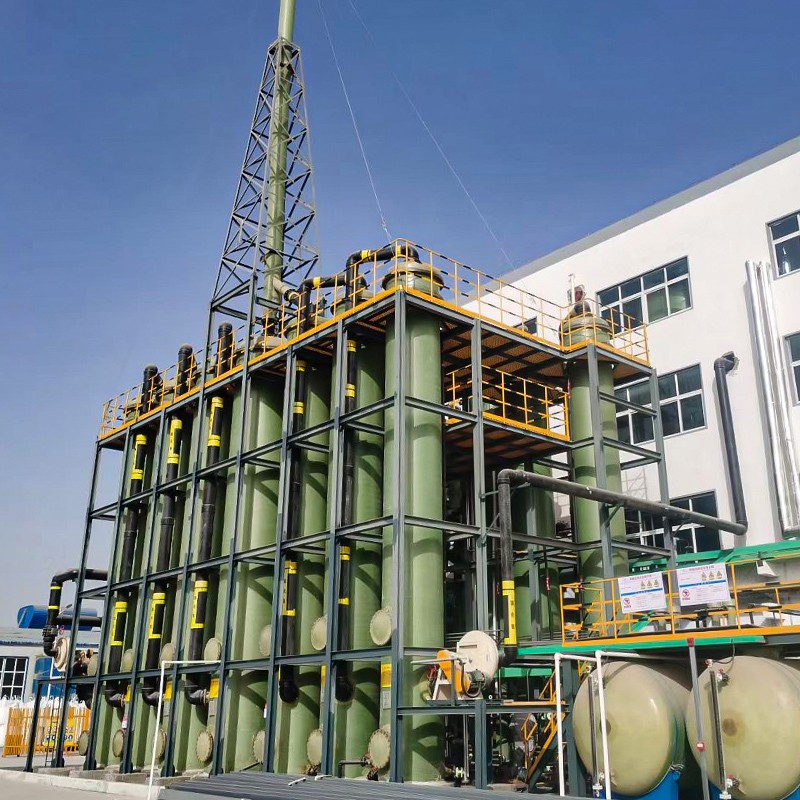
The rising demand for sulfate of potash has focused attention on how it is made. The Mannheim process is the most established method. In this setup, potassium chloride reacts with sulfuric acid at high temperatures. This reaction creates potassium sulfate and hydrogen chloride through two distinct stages.
A professional SOP fertilizer production line does more than just facilitate a chemical reaction. It requires precise feeding systems, uniform heating, and materials that can withstand heavy corrosion. The design of these plants impacts everything from energy efficiency to the consistency of the final product.
Investors looking into a potassium sulfate production line should focus on these key areas:
- Uniform heat distribution for stable reactions.
- Materials designed for high-temperature and corrosive environments.
- Effective systems for HCl recovery and gas cleaning.
- Automated controls for feed ratios and temperatures.
- Durable equipment with parts that are easy to service.
These technical details determine the long-term operating costs and uptime of a potassium sulfate plant. Successful projects rely on high-quality process engineering from the very beginning.
Хэбэй Aoliande Chemical Equipment Co., LTD.
Хэбэй Aoliande Chemical Equipment Co., LTD. offers production lines for potassium and sodium sulfate using the Mannheim process. This company is specialized in structural design, fabrication, consultation, and erection. They also provide start-up services and technical support to their customers.
The company also operates its own potassium fertilizer production facility. This gives them first-hand experience with plant operations and process improvements. Their facility produces both potassium sulfate and hydrochloric acid. This practical background allows their engineering team to master furnace operations, corrosion management, and automated production.
For those evaluating a sodium sulfate production line, an SOP fertilizer production line, or a full potassium sulfate plant, this combination of manufacturing and operating knowledge ensures a more reliable and efficient project design.
Вывод
The debate between potassium sulfate versus potassium chloride does not have a single winner. MOP fertilizer is a cost-effective, concentrated source of potassium for many standard crops. However, SOP fertilizer is essential when chloride must be avoided or when sulfur is needed to improve crop quality.
For farmers, the choice depends on the soil and the market. For producers, the success of the product depends on the quality of the potassium sulfate production line. Reliable results require excellent reaction control, heat management, and advanced automation.
Часто задаваемые вопросы
Is there anything better about potassium sulfate over potassium chloride?
The answer is usually yes if you want to fertilize chloride-sensitive crops or apply fertilizer to saline soils. Besides providing potassium, it gives sulfur. On the other hand, potassium chloride may be cheaper if crops can tolerate high amounts of chloride ions. There is no definite answer here – it all depends on your conditions and requirements.
Which crops need SOP fertilizer?
Potatoes, tobacco, fruits, vegetables, and nuts are the usual crops requiring SOP fertilizer. SOP fertilizer is also a universal fertilizer for growing greenhouse crops.
Does the potassium sulfate fertilizer have any chloride?
The very purpose of using SOP fertilizer is to provide low-chloride potassium fertilizer to crops. Unlike MOP, SOP gives only potassium and sulfur to plants.
Why does SOP fertilizer cost more than MOP?
The manufacturing process for SOP is more complex and expensive. This higher cost is justified when the crop’s market value depends on the benefits of low chloride and added sulfur.
What should buyers check in an SOP fertilizer production line?
Investors should look for stable reaction control, efficient HCl recovery, and corrosion-resistant construction. It is also important to choose a supplier with real-world experience in running a continuous potassium sulfate plant.