
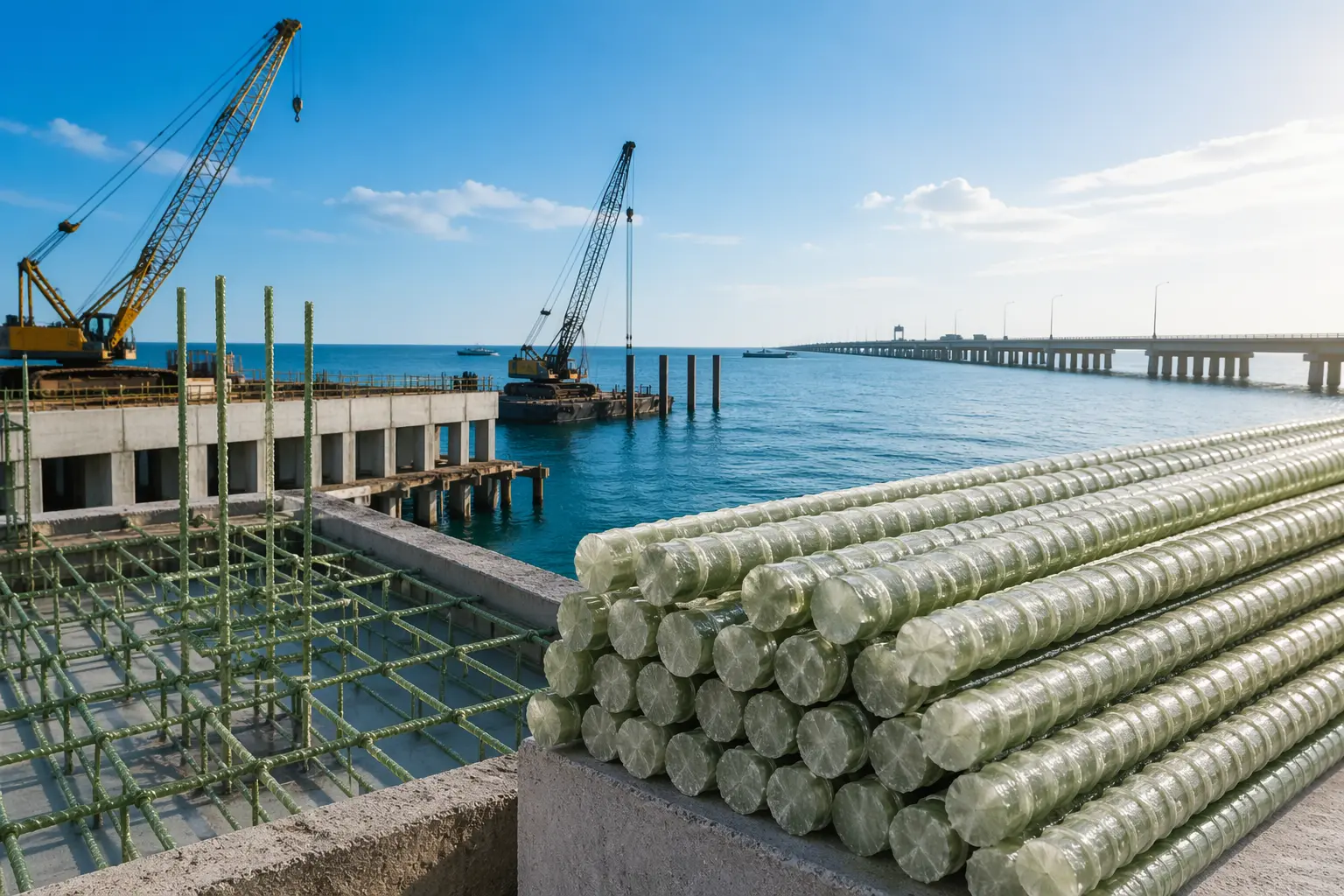
The use of FRP (Fiber Reinforced Polymer) rebar in coastal and marine building projects has grown quickly in recent years. Engineers want corrosion-resistant options that work better than old steel reinforcement. Steel rebar is strong and common, but it rusts badly in saltwater. This leads to expensive fixes and weaker structures. FRP rebar fights chemical damage well and lasts longer in tough sea settings. This change comes from the world’s need for strong, green marine materials. These materials keep things running smoothly with little upkeep.
What Is Driving the Shift Toward FRP Rebar in Coastal and Marine Construction?
Marine projects are growing around the globe. Owners focus on materials that handle rough weather without losing safety or strength.
Key Challenges with Traditional Steel Reinforcement
Steel rusts easily from chloride in saltwater. This is a big problem in beach building. Saltwater gets into concrete. It starts rust on steel bars. Rust swells and cracks the concrete. Over time, the whole structure weakens. You end up with high costs for checks, patches, and new parts. Also, key structures like seawalls, sea platforms, and bridges don’t last as long in salty areas when using regular steel.
The Role of Environmental and Economic Pressures
New rules push for green materials that cut harm to nature. They also help buildings last longer. Steel rust means higher costs over time. So, experts turn to options like FRP rebar. It gives strength and fits eco rules. Plus, world trends favor easy-care buildings that perform well for many years. They need little fixes. FRP fits this need perfectly with its built-in benefits.
How Does FRP Rebar Outperform Conventional Materials in Marine Environments?
Moving to FRP is not just fixing steel’s weak spots. It’s a smart step to improve how structures handle extreme weather.
Corrosion Resistance and Structural Integrity
FRP rebar has no metal, so it avoids rust from electric reactions that hurt steel. It stays strong even after long time in saltwater or damp air. This keeps its pull strength steady. It stops cracks or layers from splitting in concrete near water splashes or under the sea. Because of this, builders can make sea projects that last more and perform as expected.
Mechanical Properties and Design Flexibility
FRP rebar beats steel in pull strength per pound of weight. It often does better. This lets you build lighter but just as tough. It doesn’t conduct electricity. So, no worries about extra currents near power lines or signal wires in ports. Also, makers can adjust fiber direction when building it. This lets experts match the strength to what a project needs, like bending power or fighting wear from repeated stress.
Why Are Engineers Prioritizing FRP Rebar Production Technology?
More people choose FRP thanks to better ways to make it. These ways are faster and cheaper now.
Advances in Manufacturing Processes
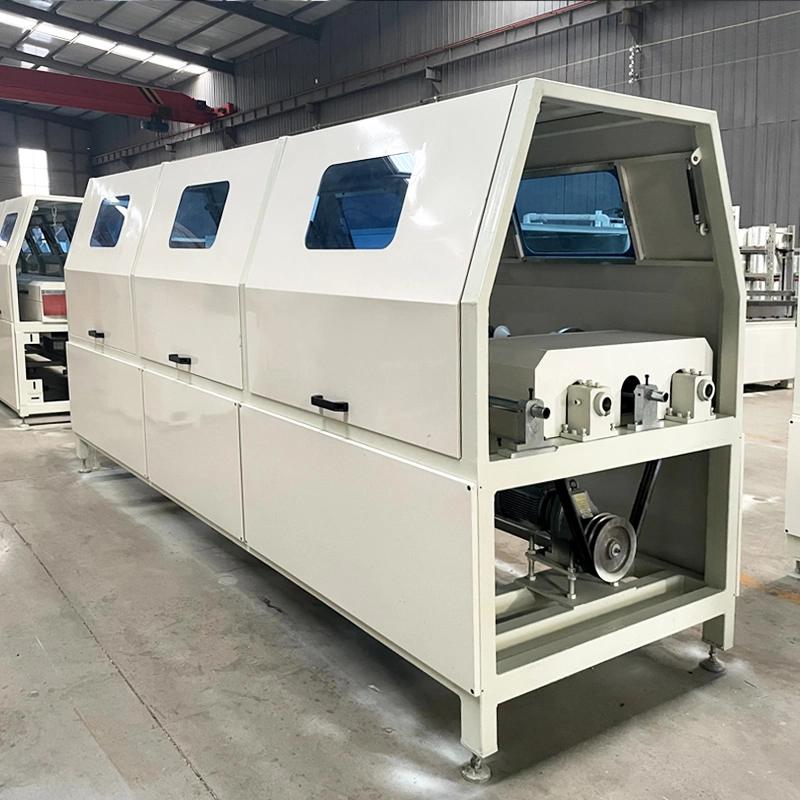
New machines pull fibers through resin automatically. They keep fibers straight and sizes exact. This makes every piece the same. It cuts mistakes by people. Better mixes for the resin help fibers stick to the base material. This boosts how well it holds up under moving loads, like waves in sea areas. Now, big production setups can handle huge orders at low cost. They keep high quality too.
Performance Validation Through Testing and Standards Compliance
Experts have tested FRP rebar a lot under world rules like ASTM, ACI, and ISO. These show it’s good for building structures everywhere. Field checks over years prove it holds up in seawater baths or tide movements. Many design rules for beach projects now include FRP as normal. This shows trust in how it works and its fit for green building ideas.
How Does FRP Rebar Contribute to Sustainable Marine Engineering?
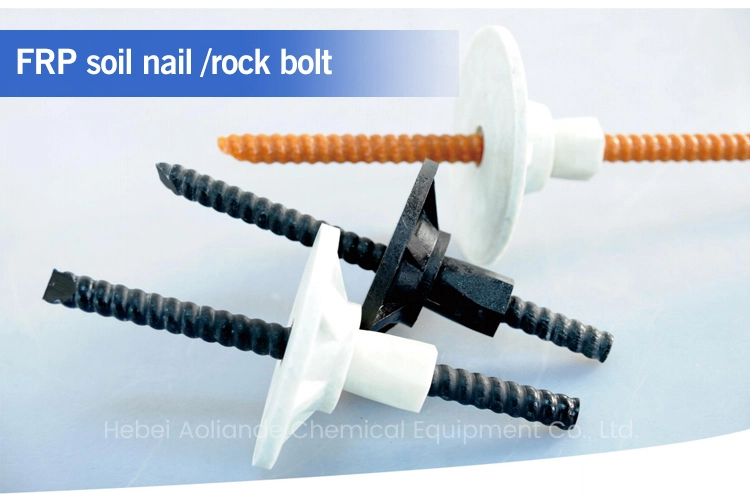
Switching from steel to FRP improves how things perform. It also matches big goals for green work in building fields.
Environmental Benefits of Corrosion-Free Reinforcement Materials
FRP cuts out rust fixes. This means less need to replace parts and use fewer resources. It lasts longer, so less trash from tearing down or fixing up. FRP uses safe parts with no poisons. It won’t leak stuff that hurts sea life. This is key for touchy water areas where keeping clean is vital.
Lifecycle Cost Efficiency for Coastal Infrastructure Projects
FRP might cost more at first than steel. But when you look at the full life, it saves money overall. Fewer fixes mean less stoppages in use. You wait longer between checks. Over many years, this adds up to better money back for port groups and city teams who run beach setups.
What Role Does Hebei Aoliande Chemical Equipment Co., LTD Play in This Transition?
Хэбэй Aoliande Chemical Equipment Co., LTD leads this change in the field. They supply top machines for making good FRP rebar. The firm focuses on smart production lines. These use auto pull systems for exact work that keeps batches even. Their gear fits custom needs. It handles different mixes and sizes from test plants to big factories. Hebei Aoliande pushes new ideas with strict checks for quality. Each machine gives top output and steadiness. Their help reaches worldwide. It covers setup, tuning, teaching, and ongoing tweaks. This boosts how well production runs at every step.
Вывод
The move to FRP rebar tech is a key change in planning and building beach setups around the world. As rust-proof rebar becomes main in new plans, experts can make projects last longer and stay green. They cut harm to the earth. Solid makers like Hebei Aoliande Chemical Equipment Co., LTD help a lot. They give smart machines for big-scale making of these new materials. This speeds up use in sea building markets everywhere.
Часто задаваемые вопросы
What are the main advantages of using FRP rebar over traditional steel in marine environments?
FRP rebar stops rust problems that hit steel in saltwater spots. It gives strong pull power. It cuts upkeep needs and makes service last longer in salty beach uses.
Can FRP rebar be used interchangeably with steel reinforcement in all structural designs?
You can’t always swap it straight for steel. The bend stiffness differs between them. But new design rules add tips just for FRP. This lets builders adjust old plans well for these mixed bar systems.
How does the production technology affect the performance of FRP rebar?
Smart making ways like auto pulling keep fibers spread even in each bar. They also make resin stick better. These things boost long-term strength. They hold steady pull traits in big runs. This matters for hard sea materials that face ongoing weather stress.