
With the industry facing new pressures from global supply chains and green rules, getting a handle on costs matters more than ever. This breakdown looks at the main parts of making sodium sulfate, pulling in fresh data and real cases to help firms plan ahead.
Understanding Sodium Sulfate Production
Sodium sulfate has an important part in fields like soaps, glass work, and cloth making. Plants across the globe count on it as a filler or helper in steps. Demand rises, mainly in new markets. So, tracking costs turns vital for firms eyeing growth or fresh starts.
The sodium sulfate manufacturing process often uses ways like the Mannheim method. In this, potassium chloride mixes with sulfuric acid at hot levels. This stands out for good output in big amounts. In 2025, costs for this method might change from raw stuff prices and power needs. For example, sulfuric acid costs have swung from $100 to $200 per ton lately. This hits total bills right away.
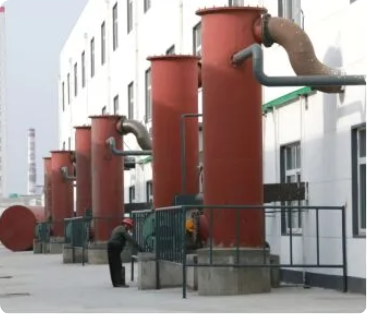
Sites with new tools can cut waste. They make things run better. A normal setup has reaction ovens, soak-up parts, and dryers. These work as one to make pure sodium sulfate, often over 95%.
Key Factors Influencing Costs
Raw stuff makes up most bills in sodium sulfate production cost analysis. Potassium chloride and sulfuric acid take about 50-60% of all costs. In spots like China or the US, getting these nearby saves on shipping, which adds 10-15%.
Power use comes next. The Mannheim method needs heat over 600°C. This leads to coal or gas bills up to $50,000 a month for a middle-size plant. Changes like better air flow designs reuse heat. They drop power use by up to 20%.
Workers and fixes add more. Trained folks handle mix stages. Regular looks stop breaks. A plant in Inner Mongolia runs with 300 people. It keeps yearly fixes under 5% of sales through tight rules.
Market Trends for 2025
World need for sodium sulfate reaches about 12 million tons each year. Growth looks set at 3-4% until 2025. Asia tops it, pushed by soap and paper work. Prices could stay at $150-200 per ton. But chain troubles might lift them.
Price rises and rules matter. Tough green laws in Europe call for better waste care. This adds costs for cleaners and screens. On the other hand, sites in growing spots gain from low worker pay, around $5-10 per hour.
Projected Cost Breakdown
Here is a table with guessed costs for a 100,000-ton yearly sodium sulfate plant setup costs in 2025:
| Cost Category | Estimated Amount (USD) | Percentage of Total |
| Raw Materials | 10,000,000 | 55% |
| Energy | 3,500,000 | 20% |
| Labor | 1,800,000 | 10% |
| Maintenance | 1,200,000 | 7% |
| Overhead | 1,500,000 | 8% |
| Total | 18,000,000 | 100% |
These numbers come from field reports. Raw stuff leads. Shifts for bigger size can lower per-piece costs. A larger plant might cut power bills by 15% with better ways.
Chain moves count. With fuel prices up, shipping from sellers adds $20-30 per ton. Plants near docks or digs skip this blow.
Efficiency Improvements in Production
Current plants aim at fixes that trim bills. For the Mannheim furnace sodium sulfate efficiency, good cover cuts heat slip by 25%. Soak-up parts reuse hydrochloric acid. They turn scrap into something to sell, worth $100 per ton.
Auto tools aid. PLC setups control feeds. They cut person slips and worker needs by 30%. In one spot, a factory fixed its controls. Output went from 150,000 to 200,000 tons a year with no extra hands.
Environmental and Regulatory Impacts
Stricter rules on fumes push spends on cleaners. These cost $500,000 at first but save on fees. Plants that grab back HCl follow rules. They sell the acid too. This covers 10% of bills.
Water use brings another test. Sea water cleaning links in for shore spots. It adds $0.05 per kg to making. But loop systems reuse 90% of water. They keep tabs low.
Case Studies from Real Operations
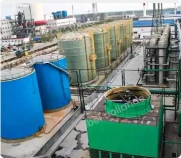
Take a plant in China making 160,000 tons a year. It uses nearby sulfuric acid. This holds stuff costs at $120 per ton. Power from coal runs $40,000 a month. But heat grab drops this by 15%. The setup has winding machines for strong pipes. They stretch tool life to 15 years.
Another in Egypt deals with sea water scrap. It turns this into sodium sulfate. This cuts raw stuff bills by 20%. Brine gives a cheap start. Output hits 100,000 tons. Sales to Europe lift cash.
These runs show how spot and tool picks shape bills. Plants close to raw sources spend less on moves. This frees cash for fixes.
Technological Advancements
Fresh oven designs spread heat even. They make sure full mixes. This lifts yield to 98%, from 90% in old ones. Rights on soak-up ways fix green troubles, like cutting acid fog.
Mix with GRP stuff makes lines fight rust. It halves fix needs. Such moves keep plants going steady, year by year.
Hebei Aoliande Chemical Equipment Co., LTD.: A Reliable Supplier
Hebei Aoliande Chemical Equipment Co., LTD. acts as a main giver of sodium sulfate production lines. It sits in Hengshui City, China. The firm has ISO9001, ISO14001, and OHSAS18001 papers. It gives full help from design to set-up. This covers Mannheim method tools made for sodium sulfate. With sales to the US, Brazil, and India, it shares tech tips and full projects. See their about us page for more on their skills.
Conclusion
Growing needs and changing bills make 2025 a big year for sodium sulfate production. Firms can stay in the game by picking good methods and smart buys. Real spots prove aimed fixes lead to big saves and more output. For folks in the field, knowing these shifts aids better plans and rise.
FAQs
What drives the sodium sulfate production cost in 2025?
Main pushes come from raw stuff prices like sulfuric acid. Power tabs from heat steps matter too. Plants with reuse systems can lower these. They turn by-stuff back in.
How does the Mannheim process affect sodium sulfate manufacturing expenses?
This way uses high heat. So, power bills stand big. But changes like better air flows cut use. They make it good for big output.
What are key considerations for setting up a sodium sulfate plant in 2025?
Spot near raw stuff cuts ship bills. Spend on rust-proof tools also counts. As in products from trusted givers, it stretches life and trims fixes.
Can environmental regulations impact sodium sulfate production cost analysis report?
Yes, rules on fumes need cleaners and waste care. This adds start bills. But good plants skip fees. They sell by-stuff too. This evens costs over time.