

Ever dealt with a chemical plant where equipment starts falling apart way too soon? Pipes leak. Furnaces crack. Downtime piles up, and repair bills skyrocket. In potassium sulfate production, corrosion hits hard. It’s one of the biggest headaches for operators. The Mannheim process involves harsh stuff—sulfuric acid, hydrochloric acid gas, hot temperatures. All that eats away at standard materials fast. But it doesn’t have to be that way. Smart choices in materials can change the game. They make gear last longer, cut maintenance, and keep production steady. If you’re running a fertilizer plant or supplying chemicals, this matters a lot. Let’s break down how to tackle corrosion head-on in these setups.
Why Corrosion Hits So Hard in Potassium Sulfate Plants
Potassium sulfate, or SOP, comes mostly from the Mannheim process. It reacts potassium chloride with sulfuric acid in a big furnace heated over 600°C. That creates SOP plus hydrochloric acid as a byproduct. Sounds straightforward. But the environment inside is brutal.
Acids and hot gases attack metal parts constantly. HCl gas is especially nasty—it seeps everywhere and corrodes fast. Over time, furnaces weaken. Pipes rust through. Absorption systems fail. One plant manager I heard about in Asia had to shut down every few months for fixes. That meant lost production and big safety risks. In humid spots or coastal areas, it gets even worse. Salt in the air speeds things up.
Real numbers tell the story. Standard equipment might last 8 to 10 years in these conditions. But corrosion often cuts that short. Repairs can eat 20-30% of operating costs yearly. And don’t forget environmental rules—leaks from corroded parts can cause spills or emissions that bring fines.
The Main Culprits Behind Equipment Breakdown
Let’s get specific. What parts suffer most?
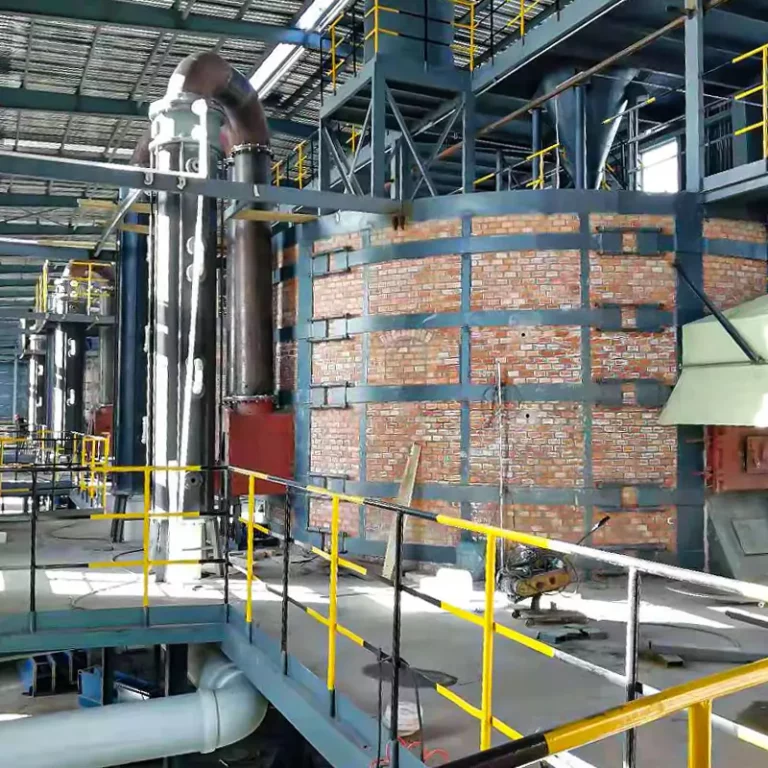
The furnace sits at the heart. It faces extreme heat and acid exposure inside. Walls and muffles take a beating. Without protection, cracks form quick.
Then come the pipes and absorption towers. HCl gas flows through them. Moisture mixes in, creating acidic conditions that chew metal.
Cooling systems and waste recovery units deal with leftovers. Those intermediates like potassium bisulfate are corrosive too.
In one reference setup—a factory turning out 160,000 tons of SOP a year—early designs had issues here. Operators saw wear in just a couple years. Downtime added up fast.
- Common Signs: Pitting on surfaces. Thinning walls. Sudden leaks.
- Biggest Risks: Unplanned stops. Safety hazards from acid escapes.
How Special Materials Fight Back Against Corrosion
Good news—modern builds use tough stuff to stand up to this. Key components get made from special corrosion-resistant materials. Think alloys that shrug off acids. Or linings that block attacks.
These aren’t ordinary steels. They’re picked for the job. Furnace walls get upgrades with heat-and-acid-proof bricks or coatings. Pipes use resistant alloys or composites.
Result? Lifespans stretch to 15-20 years or more. One upgraded line in China runs smooth after a decade with minimal fixes.
Maintenance drops big time. Instead of constant patching, you do routine checks. That saves cash and keeps workers safe.
Here’s a quick look at the payoff:
| Issue with Standard Materials | Benefit with Corrosion-Resistant Upgrades |
| Frequent leaks and repairs | Fewer breakdowns, less downtime |
| Short equipment life (8-10 years) | Extended service (15-20+ years) |
| High maintenance costs (20-30% of ops) | Lower bills, more predictable budgeting |
| Risk of emissions or spills | Better compliance, safer plant |
It’s practical. Plants stay online longer. Output holds steady.
Real-World Wins from Durable Designs
Take that Inner Mongolia factory. They produce 160,000 tons of potassium sulfate yearly, plus 200,000 tons of HCl. Early on, corrosion caused headaches. But with special materials in the furnace and absorption systems, things turned around.
Heating stays even. Reactions finish fully. And the gear holds up in tough conditions.
Another example from exports—lines sent to Brazil or India. Humid climates there speed corrosion. But resistant builds keep them running strong. Operators report way less upkeep.
I’ve chatted with folks in the field. One guy said switching materials cut his repair team in half. More time for production, less for fixes.
Automation helps too. PLC controls watch everything. They spot issues early. Pair that with tough materials, and you get reliable operation day in, day out.
Tips to Boost Equipment Longevity in Your Plant
Want to solve corrosion problems yourself? Start simple.
Pick suppliers who focus on resistant materials from the get-go. Look for patents on furnace tweaks or absorption upgrades.
Regular checks matter. Catch small wear before it grows.
Train your team on handling acids right. Spills speed corrosion.
And think about the whole line—flues, recovery systems, all of it.
- Quick Wins: Use protective coatings on existing parts.
- Long-Term: Go for full resistant builds in new setups.
These steps add up. Plants run smoother. Costs drop.
Introducing Aoliande: Your Reliable Partner for Tough Chemical Equipment
When you’re ready to upgrade, consider Aoliande out of Hebei, China. They’ve been at this since 2016, building solid chemical gear. Their standout is the Mannheim process potassium/sodium sulfate production line—perfect for high-volume SOP plants with built-in corrosion resistance.
But they cover more ground. You’ll find Hydroxy propyl methyl cellulose production lines (HPMC production line), calcium chloride production lines, and water soluble fertilizer production lines. All tailored to real needs.
On the composites front, Aoliande supplies FRP pipe filament winding machines, FRP tank filament winding machines, FRP molded grating machines, FRP pultrusion machines, and FRP rebar machines. These crank out durable products like FRP/GRP pipes, tanks, gratings, pultruded profiles, and rebar—great for corrosive settings.
With ISO certifications and exports to the USA, Brazil, India, and beyond, they bring experience and full support. From design chats to installation help, they’re there.
Conclusion
Corrosion doesn’t have to derail your potassium sulfate production. With special corrosion-resistant materials in key spots, equipment lasts longer and costs less to run. Plants stay productive. Teams stay safe. From furnaces to absorption systems, these upgrades make a real difference. If downtime and repairs are wearing you down, it’s time to look at tougher builds. Partners like Aoliande can help turn things around with proven lines.
FAQs
What causes the most corrosion problems in potassium sulfate production equipment?
Harsh acids like sulfuric and hydrochloric, plus high heat in the Mannheim furnace, attack materials fast. HCl gas and intermediates chew through standard metals, leading to leaks and breakdowns.
How do corrosion-resistant materials help in potassium sulfate production equipment?
They protect key parts like furnaces and pipes from acid attacks. This extends equipment life to 15-20 years or more, cuts maintenance, and keeps production steady without frequent stops.
Why is the furnace the biggest spot for corrosion problems in potassium sulfate production equipment?
It handles temperatures over 600°C and direct acid reactions. Without special resistant materials, walls crack and wear out quick, causing costly downtime.
Can upgrading materials reduce costs in potassium sulfate production equipment?
Yeah, big time. Tougher builds lower repair bills—sometimes by 20-30%—and let plants run longer. Like in setups hitting 160,000 tons of SOP a year with way less upkeep.
How long can equipment last with good corrosion solutions in potassium sulfate production?
Well-chosen resistant materials push service life to 15-20 years or beyond. That’s double what standard stuff often manages in these harsh conditions.