
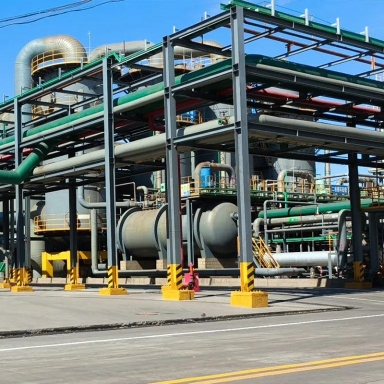
Ever wonder about the chemicals that make our world go round? Sulfuric acid is a major one. It shows up in all sorts of things. From the meals you eat to the metal in your vehicle. This blog looks at its main jobs. It explains why we need it in so many areas. We will check how it’s produced and applied. And we will use examples from real life to make things clear.
Understanding Sulfuric Acid Production
Sulfuric acid comes from specific methods. Factories use solid setups to handle it safely. They also aim to keep costs down.
The Contact Process Explained
A lot of sulfuric acid gets made through the contact process. It begins with melting hard sulfur. Then, workers burn it to create sulfur dioxide. That gas turns into sulfur trioxide. Next, it mixes with water to form the acid. Plants have parts for melting, burning, drying, and soaking up. For example, liquid sulfur gets cleaned and pumped into ovens. There, it burns with dry air. The gases cool off in boilers and changers. They reach high change rates, like more than 99%. This way keeps output steady. It makes acid at 98% strength.
Key Advantages in Modern Lines
What sets current production lines apart? They save money and improve safety. Here are a few pluses:
- Basic layouts with less tanks and pumps cut build time.
- Good heat catch from boilers lowers fuel use.
- End gas cleaning keeps emissions low. It follows tough laws.
- Stuff like stainless steel fights rust. So gear lasts longer.
These points help lines work better. They handle small or big amounts. In use, a good line can hold thousands of tons of ready acid. It’s set for shipping.
Applications in the Fertilizer Sector
Farms around the globe count on plant food. Sulfuric acid has a big part in that. It helps make stuff that grows crops better. Without it, we would have less food.
Role in Potassium Sulfate Making
Look at potassium sulfate, a common plant food. The Mannheim process blends potassium chloride with sulfuric acid at high heat. Around 600°C. This mix creates the sulfate. It also gives off hydrochloric acid as extra. Factories catch that acid to stop waste. Sulfuric acid makes sure the mix goes all the way. That leads to clean products. In one place, like Inner Mongolia, plants put out 160,000 tons a year. The acid’s power makes the plant food work well for ground that needs potassium but not more chloride.
Benefits for Crop Growth
Why does this help growers? Potassium sulfate from this method mixes easy in water. It feeds plants quick. It fits fruits and veggies that don’t like chloride. Charts show how it compares:
| Fertilizer Type | Key Ingredient | Soil Benefit |
|---|---|---|
| Potassium Sulfate | Sulfuric Acid Reaction | Boosts output in loose dirt |
| Ammonium Sulfate | Like Acid Base | Adds nitrogen for green leaves |
| Superphosphate | Acid-Handled Rock | Helps roots grow strong |
Such items reduce lost nutrients. Growers spend less. They also guard the earth.
Uses in Chemical and Metallurgical Fields

Outside farms, sulfuric acid touches other making and metal work. It’s handy for mixes that build daily goods.
In Chemical Processing
Picture colors, medicines, and cleaners. Sulfuric acid works as a speeder or dryer. In sea water cleaning, it pulls out salts. That turns salty water fresh. Making plants use it for other acids or gas washing. Its cheap price keeps costs low.
Metallurgical Applications
Diggers and melters like it a lot. It pulls metals from rocks, like in copper pulling. The acid breaks down bad parts. It leaves clean metal. In steel work, it grabs dirt. Points show where:
- Rock pulling for copper and zinc.
- Battery making, where it’s the fluid.
- Waste fixing to make bad stuff harmless.
These jobs show how it bends to needs. It backs work in mine areas and shops.
Environmental and Efficiency Steps
Nobody wants bad air or water. New sulfuric acid lines deal with this straight.
Reducing Emissions
Lines scrub end gases with base at start. That cuts sulfur dioxide out. High change rates mean less waste air. Plants grab heat back. This drops fuel needs. It all stays clean.
Boosting Plant Performance
Good work comes from clever plans. Auto controls fix flows. They cut hand work. Caught steam warms other spots. It closes power circles. Outcomes? Cheaper runs and content staff.
Partnering with a Trusted Supplier
When you set up or fix a sulfuric acid line, choose a maker with real know-how. Hebei Aoliande Chemical Equipment Co., LTD. serves as a main giver of sulfuric acid production lines. They sit in Hengshui City, China. Started in 2016. They bring new tech and papers like ISO9001 and ISO14001. Their lines cover from sulfur melt to end hold. They help clients worldwide in making and more. With over 300 workers and sales to spots like the USA and India, they give full aid. From plan to set up. This makes sure your jobs stay solid.
Conclusion
Sulfuric acid links areas together. From feeding folks to building stuff. Its making needs care. But it pays off with good work and wide use. As needs rise, wise lines keep it green. Want to learn more? See how it matches your work.
FAQs
What is the essential role of sulfuric acid in diverse industries?
Sulfuric acid pushes main mixes in plant food, making, and metals. It aids potassium sulfate through the Mannheim process. It pulls rocks and cleans water.
How does sulfuric acid production affect good work?
New lines like contact process grab heat and drop bad air. They make runs cheaper and safer in many fields.
Why pick an expert for sulfuric acid lines?
Special folks give steady setups that hit safety marks. They lift your make in areas like farm or dig.
What areas gain most from sulfuric acid?
Plant food leads, but making, metal work, and water fix count on it for key jobs in making and cleaning.
How can sulfuric acid help my shop?
It lowers costs in work while hitting good marks. It builds your name in tough spots.