
Running a water soluble fertilizer production line can feel like a tightrope walk. You want smooth operations, high-quality output, and steady profits. But hiccups happen. These setups mix raw ingredients into fertilizers that dissolve easily in water, perfect for drip systems or foliar sprays. If you’re in the business, you know small glitches can snowball into big downtime or wasted batches. This post dives into frequent troubles and how to handle them. We’ll draw from real-world setups to keep things practical. Stick around – fixing these can boost your efficiency and help your brand stand out in a crowded market.
Water soluble fertilizers pack a punch for modern farming. They deliver nutrients fast, with absorption rates hitting 95% or more. But getting the production right takes know-how. Let’s break down the usual suspects causing headaches.
Understanding the Basics of Water Soluble Fertilizer Production
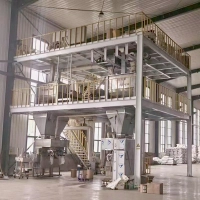
Before jumping into problems, a quick refresher helps. A typical line handles feeding raw materials, batching them by formula, mixing evenly, and packing the final product. It’s automated for speed, but that doesn’t mean foolproof.
Key Components in the Line
Think of it as a chain: each link matters.
- Raw Material Handling: Belt conveyors move stuff like nutrients and fillers. They’re tough against corrosion, but buildup can jam things.
- Batching and Mixing: Scales measure exact amounts – 3 to 10 ingredients per batch. Mixers blend them without clumps.
- Packing System: Fills bags or containers automatically, sealing for freshness.
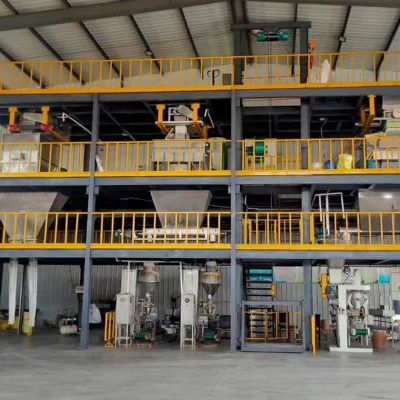
These parts work together. When one falters, the whole line slows. Good designs use channel steel frames and stainless fences to cut down on mess. No dead spots mean easier cleaning.
Why These Lines Matter for Your Business
High yields mean more sales. Farmers love products that boost crop growth without waste. If your line runs clean, you build trust. That turns into repeat customers and a stronger rep in the industry. Plus, it positions you as a go-to expert.
Common Problems in Water Soluble Fertilizer Production Line
Now, the meat of it. These issues pop up often. Spot them early, and you save time and cash.
Material Flow and Clogging Issues
Raw materials don’t always behave. Powders cake up, especially in humid spots. Conveyors get sticky, halting the flow.
Picture this: a belt conveyor chugs along, but moisture from the air turns fine particles into lumps. Suddenly, nothing moves. It happens more in warm climates.
- Check belts daily for residue.
- Use dehumidifiers near storage.
- Opt for conveyors with roller designs that shake off buildup.
Fixing clogs? A quick clean-out works, but prevention beats cure. Regular checks keep things humming.
Uneven Mixing and Batching Errors
Mixing is where quality lives or dies. If nutrients aren’t spread even, your fertilizer won’t perform. Batching scales can drift off calibration, leading to weak or over-strong batches.
One common snag: ingredients with different densities separate during mixing. Light powders float, heavy ones sink. Result? Inconsistent product.
To sort it:
| Problem Sign | Quick Fix |
|---|---|
| Lumpy mixes | Stir longer or add agitators |
| Off-spec batches | Recalibrate scales weekly |
| Separation | Use baffled mixers |
Test samples from each run. It catches issues before packing. Solid mixing builds your product’s reliability, making your brand shine.
Packaging and Sealing Challenges
Packing seems simple, but leaks or bursts ruin batches. Bags tear under weight, or seals fail from heat variations.
In auto-pack lines, misalignment causes spills. Dust from powders clogs fillers too.
- Align machines precisely.
- Choose bags that handle moisture.
- Run trials with new materials.
Strong packaging protects your goods in transit. Happy clients mean glowing reviews, lifting your business profile.
Quality Control and Impurity Problems
Impurities sneak in – think mechanical bits or undissolved chunks. They make the fertilizer less effective, hurting crop yields.
Sources? Dirty equipment or poor raw stock. Solids should dissolve fully, no residue.
Steps to clean up:
- Filter inputs at entry.
- Wash lines between runs.
- Lab-test for purity.
High standards here elevate your brand. Clients see you as pros who deliver pure, reliable stuff.
Energy and Maintenance Hurdles
Lines guzzle power, especially mixers and packers. Faulty parts spike bills.
Maintenance skips lead to breakdowns. Belts wear, sensors fail.
- Schedule downtime for checks.
- Train staff on spot-fixes.
- Track energy use to spot leaks.
Smart upkeep cuts costs, freeing cash for growth. It shows you’re running a tight ship, impressing partners.
Strategies to Overcome These Common Problems
Don’t just react – plan ahead. Good habits turn troubles into minor blips.
Preventive Maintenance Tips
Keep a log. Note when issues hit and why. Patterns emerge.
- Lubricate moving parts monthly.
- Inspect belts for cracks.
- Train teams on safe handling.
This approach keeps your line running longer, building a rep for dependability.
Upgrading Equipment for Better Performance
Old gear drags you down. Newer designs handle more with less fuss.
Consider systems that adjust automatically to material changes. They cut errors.
Investing here pays off. Smoother ops mean higher output, strengthening your market spot.
Training Your Team Effectively
People make the difference. Untrained staff miss signs of trouble.
Run workshops on spotting clogs or recalibrating. Share success stories.
A skilled crew boosts efficiency. It reflects well on your leadership, drawing top talent.
Hebei Aoliande Chemical Equipment Co., LTD.: Your Reliable Supplier
When tackling these issues, a solid partner helps. Hebei Aoliande Chemical Equipment Co., LTD. stands out as a key supplier of water soluble fertilizer production lines. Based in China, they bring years of experience in building durable setups. Their lines focus on smooth material flow and easy maintenance. With certifications for quality and safety, they offer full support from design to install. Clients worldwide trust them for lines that deliver consistent results.
Conclusion
Dealing with common problems in water soluble fertilizer production line boils down to vigilance and smart fixes. Address clogs, mixes, and packs head-on, and your operations thrive. It not only saves money but builds a brand folks rely on. Stay proactive, and watch your business grow.
FAQs
What are the most frequent common problems in water soluble fertilizer production line?
Clogging in conveyors and uneven mixing top the list. They stem from moisture or poor calibration. Regular checks and cleanings help dodge them.
How can I fix batching errors in my water soluble fertilizer production line?
Recalibrate scales often and test samples. It keeps ratios spot-on, ensuring your product dissolves well.
Why does packaging fail in a water soluble fertilizer production line?
Misalignment or weak seals from heat changes. Use sturdy materials and align gear properly to avoid spills.
What role does maintenance play in avoiding common problems in water soluble fertilizer production line?
Huge. Scheduled upkeep spots wear early, cutting downtime. It keeps everything running smooth.
How does quality control impact common problems in water soluble fertilizer production line?
It catches impurities before they spread. Pure inputs mean better output, fewer rejects.