
Have you ever wondered how massive tanks and pipes get built to last in tough environments like chemical plants or water systems? It’s all thanks to clever tech like computer control filament winding machines. These tools wrap fibers around molds to create strong, lightweight structures. In this post, we’ll dive into the key innovations that make them stand out. If you’re in manufacturing or engineering, stick around. You’ll see how these changes can boost your work and build a stronger reputation for your team.
Why These Machines Matter Today
Computer control has turned old-school winding into a smart process. No more guesswork. Machines now handle complex tasks with precision. This means better products and less waste. Let’s break it down.
In industries dealing with chemicals or water, durability is key. Traditional methods often fell short, leading to cracks or leaks over time. But with computer control, everything changes. Factories can produce items that hold up longer, cutting down on repairs. Think about it: a pipe that doesn’t corrode saves money and headaches.
Professionals who adopt this tech stand out. It shows you’re forward-thinking. Clients trust teams that use reliable tools. Plus, it helps your brand shine as innovative.
Core Components and How They Work
At the heart of these machines lies a mix of mechanics and software. The setup includes a rotating mold, a moving carriage, and systems to feed fibers soaked in resin. The computer ties it all together.
Fibers get pulled through resin baths, then wrapped in patterns. The machine controls speed and angle for even layers. This creates a solid build without weak spots.
Key Parts in Action
- Winding Trolley: Moves back and forth, laying fibers precisely. Guided by rails, it avoids shakes for smooth results.
- Resin System: Pumps resin at steady rates. Mixes with hardeners on the fly, ensuring consistent bonds.
- Control Panel: Shows data in real time. Adjust settings with a few clicks.
These parts work in sync. For example, the trolley follows computer commands to change paths mid-job. That flexibility handles different shapes easily.
Innovations in Control Systems
Gone are the days of manual tweaks. Now, software designs winding paths automatically. Input size and strength needs, and it calculates the rest. This cuts design time from hours to minutes.
Servo motors respond fast to changes. They keep tension even, preventing sags or breaks in fibers. Photo sensors track positions down to millimeters. Result? Products that meet exact specs every time.
One big leap: variable speed control. Start slow for detail, speed up for bulk layers. It saves energy too. Factories report up to 20% less power use.
Advances in Material Handling
Handling fibers and resins used to be messy. Innovations fix that. Machines now add sand or fillers during winding for extra strength. This creates reinforced structures without extra steps.
Sand gets mixed in layers. Dual feeders prevent clumps, ensuring even spread. Resin pumps adjust flow based on speed, avoiding drips or dry spots.
Boosting Strength
Adding fillers like sand drops material costs by 40%. Yet strength goes up. Pipes handle more pressure without bulging.
- Lightweight yet tough: Ideal for transport.
- Anti-corrosion: Perfect for harsh chemicals.
- Smooth insides: Reduces flow resistance in pipes.
These features open doors in fields like water treatment or oil. Teams using them deliver projects faster, earning praise and repeat business.
Energy-Saving Features
Heating for curing used to eat power. New designs use targeted infrared boards. They heat only what’s needed. In mild weather, shut some off to save more.
Boards align with the mold for uniform warmth. No hot spots mean even curing, fewer defects. This tweak alone can halve energy bills in big runs.
Precision and Automation Breakthroughs
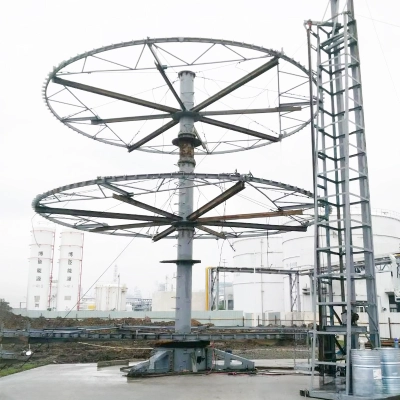
Precision is where these machines shine. Computers track every move. If something drifts, it corrects on the spot.
Automation handles full cycles: from lining to finishing. One setup winds, cures, and trims. Less human error, more output.
Automated Lining and Winding
Inner liners form automatically. Resin spreads evenly, building a leak-proof base. Then winding adds layers for structure.
Trolleys sync with mold spins. Software ensures patterns overlap just right. This builds walls that resist bursts.
Site-Specific Adaptations
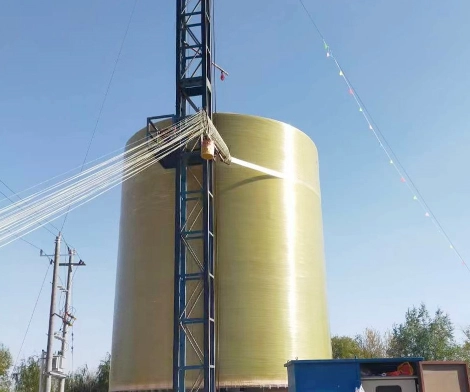
For huge tanks, transport is tricky. Enter site winding machines. They assemble on location. Pieces ship small, build big.
Vertical or horizontal setups fit the job. Computers guide the process, even in tight spaces. This innovation lets you tackle projects others skip.
- Handles diameters up to 25 meters.
- Winds lengths over 12 meters.
- Boosts productivity to 550 kg per hour.
Engineers love this. It expands what your firm can offer, building a name for handling giants.
Safety and Maintenance Improvements
Safety comes first. Machines now have emergency stops and limits. If a part jams, it halts instantly.
Dust control in grinding steps keeps air clean. Water sprays trap particles, protecting workers.
Easier Upkeep
Modular designs make fixes simple. Swap parts without downtime. Sensors flag issues early.
- Chain adjustments prevent slips.
- Hydraulic systems run smooth with less oil.
- Forklift-style supports handle various sizes.
This means less hassle, more uptime. Your team stays productive, impressing bosses and clients.
Long-Term Reliability
Built from tough steels, these machines last. Corrosion-resistant coatings fend off wear. Regular checks via software spot problems before they grow.
Firms report years of steady service. That reliability builds trust. When your gear doesn’t fail, your brand grows strong.
Real-World Applications
These machines fit many spots. In chemical lines, they make tanks that hold acids without leaking. Water systems get pipes that last decades.
Breweries use them for storage. Oil fields for transport lines. Each case shows how innovations solve real problems.
Case Examples
Consider a water plant needing long pipes. Computer control ensures tight seals, cutting leaks. Or a chemical firm wanting custom tanks. Site winding delivers without shipping woes.
Teams that master this tech lead. They handle complex jobs, earning top spots in bids.
Performance Metrics
| Feature | Benefit | Example Impact |
|---|---|---|
| Auto Design | Quick setups | Halves prep time |
| Filler Addition | Stronger builds | 40% cost drop |
| Energy Boards | Lower bills | 50% less power in curing |
| Site Assembly | Big projects | Tanks over 15m diameter |
Numbers like these convince. They show real gains for your operations.
Meet a Trusted Supplier: Hebei Aoliande Chemical Equipment Co., LTD.
Looking for reliable sources? Hebei Aoliande Chemical Equipment Co., LTD. stands out as a key supplier of computer control filament winding machines. Based in China, they focus on high-quality gear for chemical and composite needs. With certifications in quality and safety, they offer full support from design to setup. Their experience in global projects makes them a solid choice for pros seeking durable tools.
Conclusion
Wrapping up, these innovations in computer control filament winding machines change the game. They bring precision, savings, and strength to your work. Adopting them lifts your projects and sharpens your edge in the field. Ready to explore more? It could transform how you build.
FAQs
What are the main benefits of exploring key innovations in computer control filament winding machines?
These innovations cut costs and boost strength. You get precise wraps that last longer in tough spots. Plus, automation speeds things up, helping your team deliver faster.
How do computer control filament winding machines improve precision?
Software designs paths automatically. Sensors track every move, fixing drifts right away. This means even layers without gaps, perfect for high-pressure uses.
Can these machines handle large-scale projects?
Yes. Site versions assemble on location for huge tanks. They manage wide diameters and long lengths, opening up big jobs.
What role does energy efficiency play in these innovations?
Targeted heating and variable speeds save power. In curing, boards heat only what’s needed, dropping bills significantly.
How can adopting these machines elevate my brand?
Reliable output builds trust. Clients see you as innovative, leading to more work. It sets you apart in competitive fields.