
If you’ve ever wondered, “What Is a Fiberglass Pipe Production Machine?”, you’re not alone. In the world of industrial manufacturing, especially for chemical plants, water treatment, and municipal pipelines, these machines are essential. From my experience working in composite manufacturing, they are more than just equipment—they are the backbone of efficient, high-quality FRP pipe production.
In this article, I’ll explain what these machines do, how they work, why they are important, and what factors to consider before investing. I’ll also include some real-life examples to show their practical impact.
Understanding the Basics: What Is a Fiberglass Pipe Production Machine?
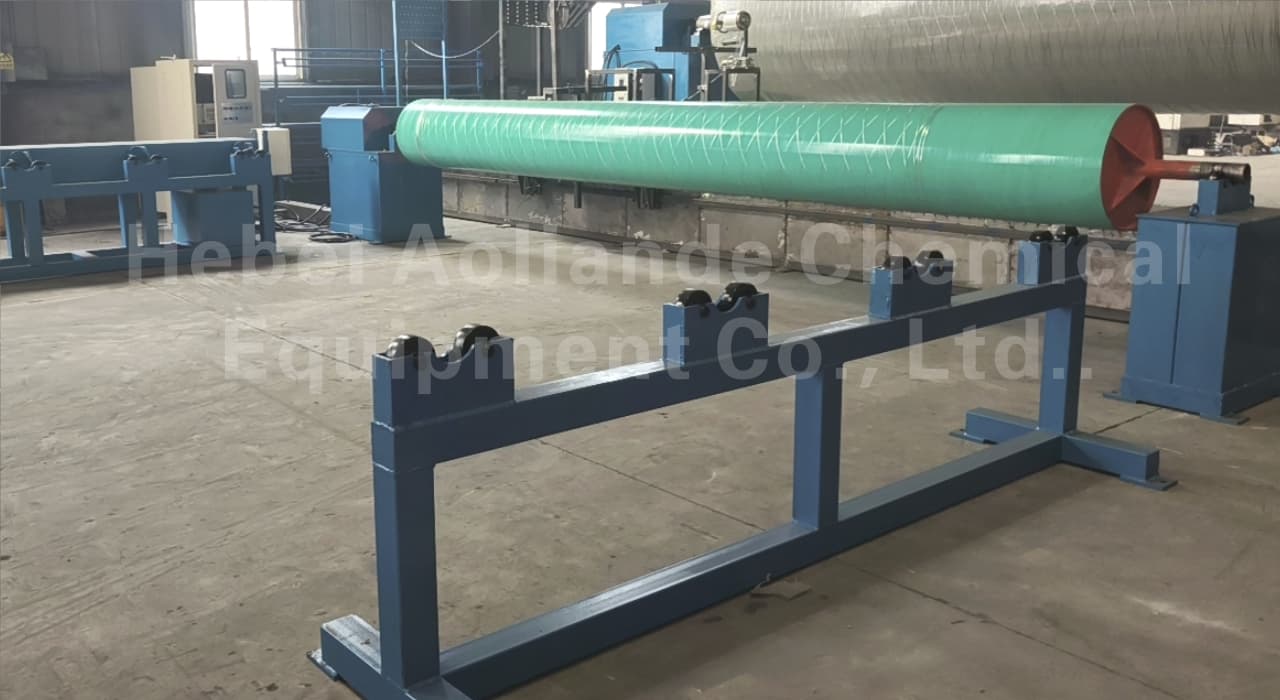
A fiberglass pipe production machine is specialized equipment designed to manufacture fiberglass reinforced plastic (FRP) pipes. Unlike traditional metal or PVC pipes, FRP pipes are lightweight, corrosion-resistant, and highly durable.
At its core, the machine automates the process of combining resin and glass fibers to form pipes with consistent quality. Think of it like weaving threads with glue around a cylinder—but on a much larger, industrial scale.
From my perspective, what makes these machines remarkable is their precision. They control fiber tension, resin impregnation, winding angles, and curing, ensuring that every pipe meets exact structural and dimensional standards.
How Does a Fiberglass Pipe Production Machine Work?
Now that you know what it is, let’s break down the process. A fiberglass pipe production machine typically follows several key steps:
1. Mandrel Setup
The mandrel is the central core around which fibers are wound. Before production, it’s cleaned and coated with a release agent to make pipe removal easier. Proper preparation at this stage is critical for smooth surfaces and accurate wall thickness.
2. Resin Impregnation
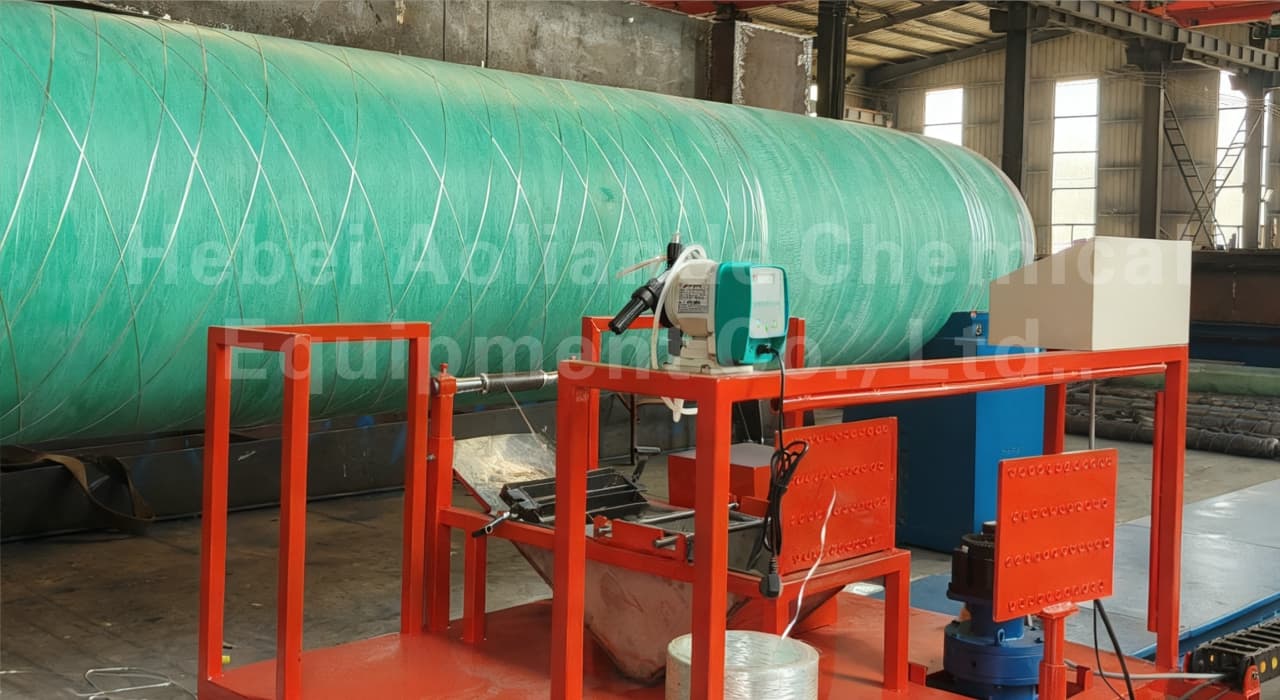
Fiberglass rovings pass through a resin bath or injection system. This step ensures that each fiber is fully coated with resin, which bonds them together and provides chemical resistance. Without proper impregnation, the pipe’s structural integrity could be compromised.
3. Filament Winding
This is the heart of the process. The fibers are wound around the rotating mandrel at specific angles. These angles are carefully calculated to optimize the pipe’s strength under axial and radial loads. Modern machines use automated control systems, which is why consistent quality is possible even at high production speeds.
4. Optional Fillers
For large-diameter pipes or cost efficiency, sand or other fillers may be added between layers. This reduces material costs without significantly compromising strength.
5. Curing
Once the pipe is wound, it is cured to solidify the resin and lock fibers in place. Some machines use room-temperature curing, while others include heating systems for faster production.
6. Demolding and Finishing
Finally, the pipe is removed from the mandrel and finished. Trimming, polishing, and sometimes automated quality checks are performed to ensure the final product meets industrial standards.
By integrating all these steps, a fiberglass pipe production machine ensures high-quality pipes with minimal human error.
Why Is a Fiberglass Pipe Production Machine Important?
From my experience, the benefits of using a fiberglass pipe production machine go beyond just making pipes. Here’s why they’re essential:
1. Consistent Quality
Manual methods often result in uneven wall thickness and inconsistent strength. A production machine ensures that every pipe meets the same specifications.
2. High Efficiency
Automated machines significantly increase output. One production line can produce hundreds of meters of FRP pipe daily, which would take much longer with manual labor.
3. Cost Efficiency
Precise control over resin usage and fiber placement reduces waste, which saves money over time.
4. Versatility
These machines can produce pipes of varying diameters, wall thicknesses, and lengths, depending on project requirements. This flexibility makes them suitable for multiple industries.
5. Reduced Labor Dependence
Because the process is automated, fewer operators are needed. Staff can focus on quality control, maintenance, and logistics instead of manual winding.
Real-Life Example: Transforming Pipe Production
Let me give you a practical example. A manufacturer I worked with was producing FRP pipes for chemical plants using semi-automatic methods. Daily output was limited, and some pipes didn’t meet pressure standards consistently.
After investing in a fiberglass pipe production machine, daily output more than doubled. Every pipe had uniform wall thickness, better chemical resistance, and passed all quality inspections. The company not only reduced labor costs but also expanded into larger industrial contracts.
This shows that understanding “What Is a Fiberglass Pipe Production Machine?” isn’t just academic—it has a direct impact on production efficiency and profitability.
Key Factors to Consider Before Buying
Not all machines are created equal. Based on my experience, here’s what to evaluate:
-
Production Capacity: Make sure the machine can meet both current and future production needs.
-
Pipe Size Range: Confirm the machine can handle the diameters and lengths you require.
-
Automation Level: Fully automated machines reduce labor but are more expensive. Semi-automatic machines may suit smaller operations.
-
Resin and Fiber Compatibility: Ensure the machine can work with your chosen materials.
-
After-Sales Support: Installation guidance, training, and spare parts availability are crucial for smooth operation.
Maintenance Tips for Long-Term Performance
Even the best fiberglass pipe production machine needs routine care:
-
Check fiber tension and alignment regularly.
-
Keep resin systems clean and calibrated.
-
Inspect mandrels for wear and replace when necessary.
-
Train operators for troubleshooting and preventive maintenance.
Proper maintenance ensures the machine continues producing high-quality pipes and reduces downtime.
Future Trends in FRP Pipe Manufacturing
Modern fiberglass pipe production machines are increasingly integrated with smart technologies. Features now include:
-
Real-time production monitoring
-
Digital control of winding angles and resin flow
-
Remote diagnostics
-
Energy efficiency optimization
These advancements improve productivity, reduce errors, and help manufacturers comply with international standards—critical for companies targeting global markets.
Why Investing in a Fiberglass Pipe Production Machine Makes Sense
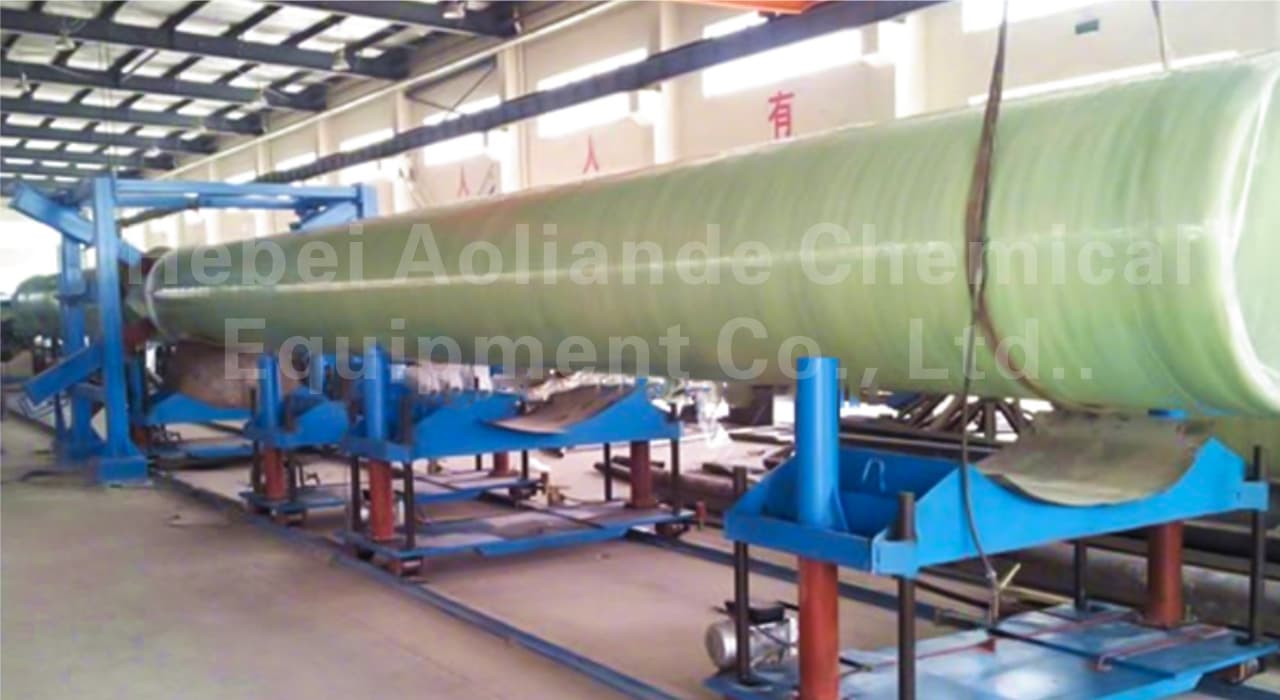
From my perspective, a fiberglass pipe production machine is more than equipment—it’s a strategic investment. It allows manufacturers to:
-
Scale production efficiently
-
Ensure consistent product quality
-
Reduce waste and labor costs
-
Expand into industrial and municipal projects with confidence
In a world where corrosion-resistant pipes are increasingly in demand, having a reliable production machine gives your business a significant competitive advantage.
Final Thoughts
Understanding “What Is a Fiberglass Pipe Production Machine?” is the first step toward modernizing your pipe manufacturing. These machines improve efficiency, quality, and profitability while reducing reliance on manual labor.
If you want to stay competitive in the FRP pipe market, investing in this technology isn’t optional—it’s essential. From my experience, companies that adopt these machines see measurable improvements in output, product consistency, and long-term business growth.