
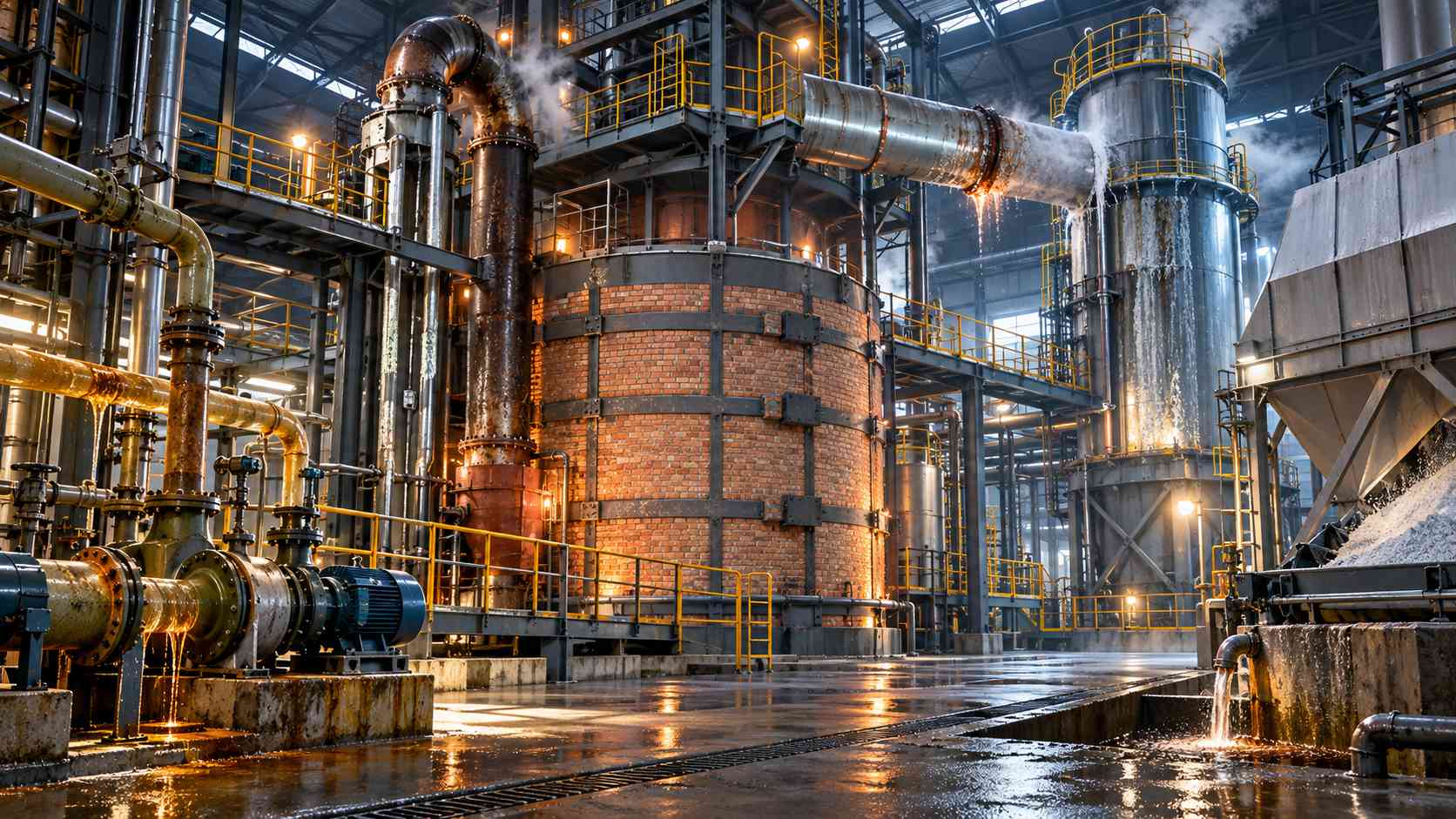
The six critical corrosion zones in Mannheim SOP plants are the acid feed system, furnace reaction area, hydrochloric acid gas path, absorber, product cooling and dust system, and wastewater or drainage network. Each zone combines chloride, sulfuric acid, heat, moisture, or solids in a different way. A Mannheim process potassium sulfate production line needs a separate inspection and material basis for each zone.
Why One Material Standard Fails Across the Plant
The Mannheim reaction converts potassium chloride and sulfuric acid into potassium sulfate and hydrogen chloride. The furnace is hot and mechanically active. The recovery section is cooler, wet, and rich in hydrochloric acid. Product dust can absorb moisture on a support or inside a filter. A single “corrosion-resistant” label does not describe all three conditions.
| Zone | Typical exposure | First inspection focus |
| 1. Acid feed | Hot acid, chloride, flow changes | Pump seals, nozzles, elbows |
| 2. Furnace reaction area | Heat, acid vapour, moving solids | Shell, refractory, rake clearances |
| 3. HCl gas path | Wet gas, condensate, carryover | Duct low points and expansion joints |
| 4. Absorber | Hydrochloric acid and oxygen | Circulation, packing, mist eliminator |
| 5. Product cooling and dust | Damp chloride or sulfate fines | Cooler casing, filters, supports |
| 6. Drainage and wastewater | Acidic chloride liquor | Channels, sumps, pipe penetrations |
The inspection order should follow consequence and access, not only the size of the equipment. A small flange above an electrical panel can be more urgent than a large vessel with a visible external stain.
Zone 1: Acid Feed and Distribution
Acid concentration, temperature, impurities, and pulsation affect pumps, valves, and distribution pipes. A worn pump seal can release acid onto a baseplate, where it attacks anchors and nearby cable trays. A partially blocked spray orifice changes the acid-to-KCl ratio and may create a hotter reaction zone.
Keep a sample point upstream of dosing and record acid strength by lot. Check pump vibration, seal leakage, suction conditions, and discharge pressure together. A pressure change without a flow change can indicate a restriction; a flow change without a pressure response can indicate a meter or valve problem.
Use drainable pipe routing with compatible gaskets. Avoid dead legs where acid can remain after shutdown. Flush lines only with a procedure that protects downstream equipment from a sudden water-and-acid mixture.
Zone 2: Furnace Shell, Refractory, and Rake Area
The furnace sees heat, sulfuric acid vapour, chloride salts, and moving solids. Refractory damage exposes the shell to higher temperature and may allow acid-bearing material to reach steel. Rake wear or buildup changes residence time and can create local hot spots.
Trend furnace-zone temperature, shell temperature, rake-drive current, feed rate, and discharge texture. A rising shell temperature is not solved by lowering one setpoint until refractory condition and gas movement are checked. Inspect expansion joints and access doors for heat distortion and deposits.
Keep a defined inspection window for the first rake turns after a shutdown. Deposits may be brittle when cold and suddenly release when the furnace warms. That release can overload downstream gas cleaning or disturb product discharge.
Zone 3: HCl Gas Ducts and Condensation Points
Hydrogen chloride gas becomes aggressive when water condenses. Duct low points, expansion joints, fan inlets, and poorly insulated supports collect condensate. Solids carryover adds a deposit that holds acid against the wall.
Design slope, drains, insulation, access doors, and wash connections together. Do not add a drain that discharges into an unprotected floor channel. Verify that the gas path remains above the intended dew point where condensation is not part of the design.
Inspect elbows after the furnace outlet and before the absorber. Look for thinning on the outer radius, deposits at the inner radius, and wet marks around joints. Compare pressure drop with gas flow and temperature; a rising pressure drop often precedes a visible leak.
Zone 4: Absorber, Circulation, and Mist Removal
The absorber handles hydrochloric acid, cooling water, gas flow, and entrained solids. Circulation failure can expose packing or spray headers to a dry, hot gas stream. Excess water can dilute the acid while increasing gas-side condensation and liquid volume.
Check pump flow, temperature, acid concentration, pH where applicable, spray pattern, and mist-eliminator differential pressure. A clean-looking absorber can still have blocked nozzles. Keep a sample schedule that identifies both circulating liquor and product acid.
Packing supports, demisters, nozzles, and access covers should be inspected after abnormal draft, high gas temperature, or a solids carryover event. Provide a safe isolation and wash procedure before opening the vessel.
Zone 5: Product Cooling and Dust Collection
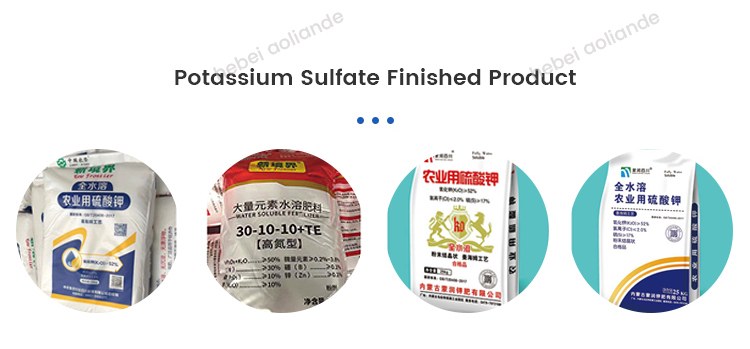
Potassium sulfate product may be dry at discharge but becomes corrosive when fines absorb moisture. Cooler leaks, humid air, washdown, or a failed seal can create damp deposits on casing joints, supports, and filter hoppers.
Keep the cooler and dust collector under the intended pressure. Trend exhaust temperature, filter differential pressure, hopper discharge, and visible leakage. A sudden pressure decrease may mean a torn filter bag or an open door; a rise may mean blinding, condensation, or a blocked outlet.
Separate hot gas and wet acid service from dry product dust service unless the collector materials and drain path are designed for both. Return collected material only after checking whether it has picked up moisture, acid, or foreign solids.
Zone 6: Drains, Sumps, and Wastewater Routes
Drainage is often inspected last and repaired late, yet it receives every small leak. Acidic chloride liquor can travel under a slab, attack pipe penetrations, and reach structural steel. A sump with a failed pump turns a minor spill into long contact time.
Use curbs, compatible coatings, sloped floors, accessible sumps, and level alarms. Keep stormwater separate from process drainage. Label neutralization points and sampling locations so a response crew does not send acid liquor to the wrong system.
Inspect around grating supports, trench covers, anchor bolts, and pipe sleeves. These details show where liquid remains after a floor is declared “dry.”
Emergency response equipment should be reachable from these routes. A neutralization tote, compatible absorbent, drain cover, and a clear isolation valve are useful only when they are marked and kept out of the normal spill path. Practice the response with operators who work on the night shift; the first minutes of a leak rarely occur during an engineering visit.
Building a Useful Inspection Program
- Record acid concentration, gas temperature, product moisture, and cleaning events with each inspection.
- Use thickness checks at repeatable points and keep the original readings for trend comparison.
- Photograph deposits and leaks with a scale and location label.
- Rank repairs by leak consequence, access, operating risk, and time to failure.
Do not wait for a dramatic leak to update the inspection route. Small changes in shell temperature, fan pressure, pump vibration, or absorber concentration often provide earlier evidence. Tie every maintenance work order to a process condition so recurring damage is not treated as a series of unrelated repairs.
Supplier Data and Project Review
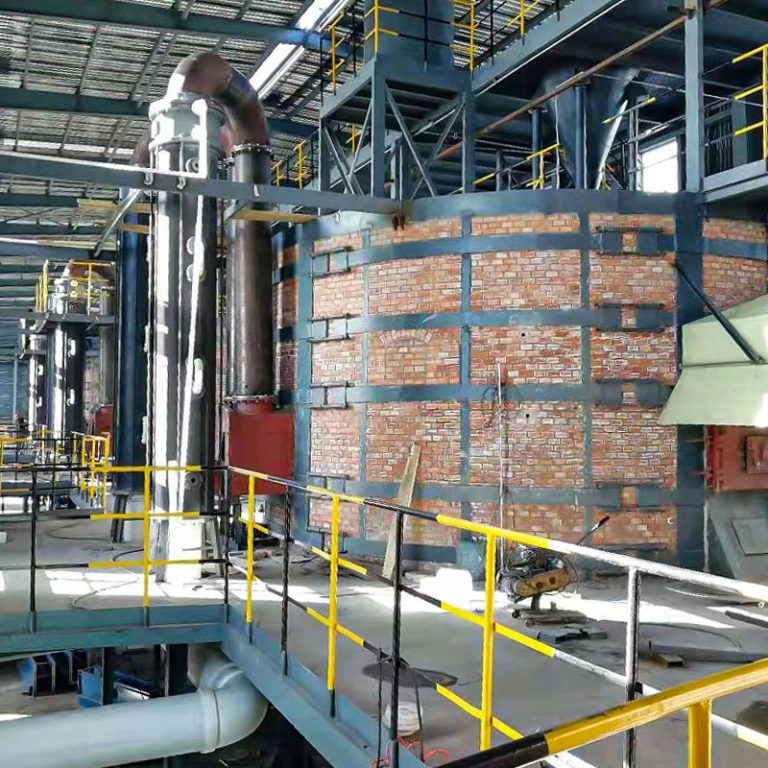
Provide KCl assay, moisture, particle size, acid concentration, capacity, furnace temperature range, HCl target concentration, cooling-water quality, cleaning practice, building layout, and drainage requirements. Buyers can review chemical production line equipment و contact the SOP project team with this data.
هيبي Aoliande المعدات الكيميائية المحدودة. can define equipment materials, refractory interfaces, gas recovery, cooling, dust handling, and inspection access around the agreed feed and operating envelope. The contract should state corrosion allowances, lining responsibilities, commissioning checks, and operator training.
استنتاج
Mannheim corrosion control is a zone-by-zone discipline. Acid feed, furnace, HCl gas, absorber, product dust, and drainage each need their own materials, controls, and inspection evidence. When operators connect a leak or deposit to feed, temperature, moisture, and flow records, the plant can correct the cause instead of repeatedly repairing the symptom.
الأسئلة الشائعة
Which Mannheim area corrodes fastest?
There is no universal answer. Acid feed points, wet HCl duct low points, absorber internals, and damp dust deposits are common high-risk locations, but actual severity depends on chemistry and operation.
Why does HCl duct condensation matter?
Condensed water dissolves hydrogen chloride and creates a concentrated acidic liquid on the duct wall, joints, supports, or low points.
Can furnace temperature alone prevent corrosion?
No. Temperature control helps prevent condensation and hot spots, but feed impurities, refractory condition, gas flow, insulation, drainage, and cleaning also matter.
What records help diagnose repeated leaks?
Keep acid assays, KCl lots, furnace and gas temperatures, pressure drops, absorber circulation, product moisture, cleaning events, thickness readings, and repair materials in one timeline.