

Acid Mist Control in Sulfuric Acid Towers
Acid mist control in sulfuric acid towers depends on two jobs being done well: limiting droplet formation inside the process and removing the droplets that still reach the gas outlet. A well-designed sulfuric acid production line treats mist control as part of tower hydraulics, acid concentration control, gas cooling, and demister maintenance. A larger separator cannot correct unstable acid strength or poor liquid distribution by itself.
Where Acid Mist Comes From
Mist is a suspension of fine sulfuric acid droplets in the process gas. Some droplets form when gas shears liquid from packing or distributor surfaces. Others appear when sulfur trioxide meets water vapor and condenses as very small particles. The second type is harder to capture because its particles can pass through equipment that easily removes coarse spray.
Drying and absorption towers do not create the same mist load. The drying tower receives wet process air and removes moisture with concentrated acid. The absorption section receives gas containing sulfur trioxide and transfers that sulfur trioxide into acid. Temperature, acid strength, circulation rate, and gas distribution therefore affect each tower in a different way.
The table is a diagnostic starting point. One symptom can have more than one cause, so operators should compare pressure, temperature, acid analysis, and visible condition before changing setpoints.
Separate Process Formation from Mechanical Carryover
Mechanical carryover usually produces larger droplets. It may start at a flooded packing layer, a distributor jet, a leaking acid seal, or a local high-velocity gas path. Process-formed mist can be much finer. It often points back to moisture ingress, unstable sulfur trioxide absorption, or temperature conditions that favor condensation.
This distinction matters during troubleshooting. If pressure drop increases steadily and acid drains poorly from the separator, fouling is plausible. If pressure drop is normal but the stack result worsens after a water leak or acid-strength upset, the problem may have formed upstream of the separator.
Useful checks include:
Compare the tower inlet and outlet temperatures with the established operating range.
Review acid concentration from a reliable laboratory method, not density alone when temperature compensation is uncertain.
Inspect the circulation rate, distributor pressure, and evidence of blocked nozzles.
Trend demister pressure drop against gas rate rather than judging one reading in isolation.
Control Acid Strength and Temperature Together
Concentrated sulfuric acid absorbs water and sulfur trioxide differently as concentration and temperature change. A small shift can alter absorption performance, corrosion behavior, and heat release. That is why acid strength, heat-exchanger duty, dilution water, and circulation flow must be reviewed as one operating group.
Adding water to concentrated acid releases substantial heat. The injection point needs rapid mixing, measured flow, and a sequence that keeps local concentration and temperature within the equipment design. A poorly mixed dilution point may look acceptable at the main sample location while exposing a nozzle or pipe wall to a much harsher condition.
Cooling also affects viscosity and tower hydraulics. Acid that is too hot may weaken absorption and raise vapor carryover. Acid that is too cold becomes more viscous, which can change distribution and pressure drop. The correct target is a project value based on process design, acid strength, gas composition, and materials, not a universal temperature copied from another plant.
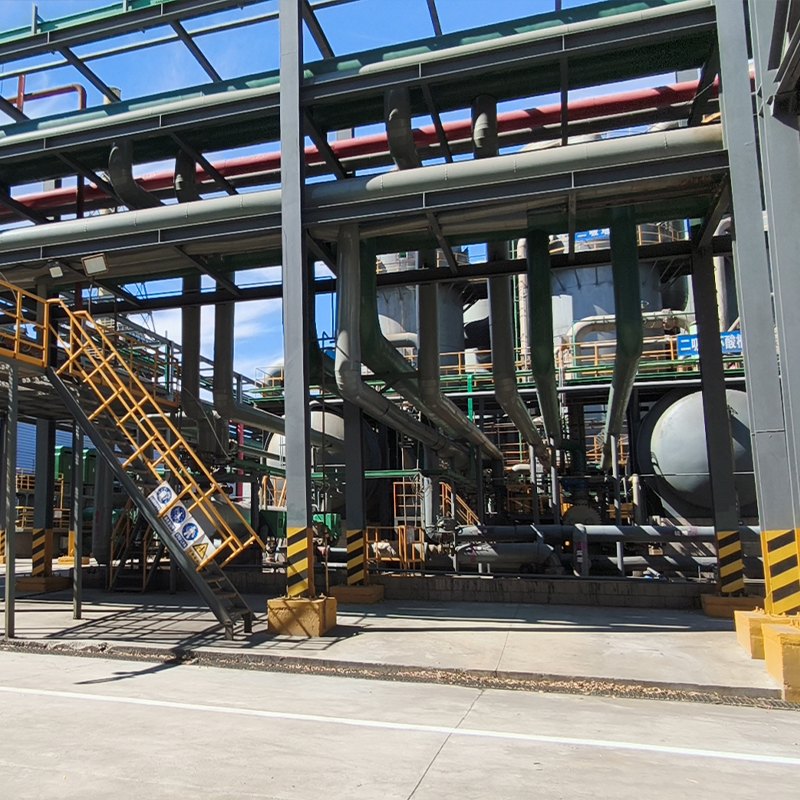
Sulfuric Acid Tower Process Line
Keep Gas and Liquid Distribution Even
A tower can meet its total circulation target and still distribute acid poorly. Plugged distributor holes, incorrect leveling, damaged packing, or a gas inlet that favors one side can create dry zones beside flooded zones. The dry area has weak mass transfer; the wet area raises entrainment and pressure drop.
Distributor inspection should cover hole condition, nozzle orientation, support level, corrosion, deposits, and access for cleaning. Gas distribution checks should include inlet geometry, support plates, packing condition, and evidence of localized attack. A pressure reading across the whole tower may hide a narrow high-velocity path.
During a shutdown, staining patterns and deposit locations are valuable. A clean strip next to heavy deposits can show where gas velocity is high. Uneven packing settlement can change both liquid spreading and gas resistance. Photographing these conditions from the same inspection points creates a better maintenance record than a note that says only “tower checked.”
Select a Demister for the Actual Droplet Range
Wire-mesh pads, fiber-bed elements, and other separation devices work over different droplet sizes, gas velocities, liquid loads, and pressure-drop limits. Equipment selection should start with the expected particle-size range and process condition. The smallest particles often control the choice, while the maximum gas rate controls mechanical stability and pressure drop.
The separator housing also matters. Gas should approach the element evenly. Bypass gaps around the frame can cancel the value of a good element. Collected acid needs a free drain path that does not let gas short-circuit through the drain. Supports must resist the wet weight of a fouled element and the forces created during washing.
For a new sulfuric acid plant equipment package, the design review should record:
Normal, minimum, and maximum gas flow at the separator.
Expected acid concentration, temperature, and liquid loading.
Allowable clean and dirty pressure drop.
Element material, support design, sealing method, washing method, and drainage arrangement.
Read Pressure Drop as a Trend
A single pressure-drop number has limited value unless it is tied to gas flow and the element’s clean condition. Establish a baseline after commissioning or a verified cleaning. Then record gas rate, temperature, acid circulation, and pressure drop together.
A gradual rise can indicate deposits, poor drainage, or liquid loading above the design basis. A sudden fall deserves equal attention. It may mean a torn element, a shifted support, an open bypass, or a failed impulse line. A “low” reading is not automatically good.
Instrument lines in acid service can plug or retain condensate. Their routing, isolation, flushing method, and material need the same review as the main separator. Where a transmitter is critical to operating decisions, the commissioning record should show a zero check and a comparison with a reference gauge.
Cleaning Without Damaging the Separator
Cleaning frequency should follow pressure-drop behavior and inspection findings. Fixed calendar cleaning can be too late for a dirty process or unnecessary for a stable one. Before washing, isolate the section, confirm the approved liquid and temperature, and provide a controlled route for the wash liquor.
High-pressure jets can deform fine media or drive deposits deeper into a fiber element. Cleaning from the wrong direction can also damage layers designed for a specific gas flow. The supplier’s procedure should state the wash direction, pressure limit, chemical compatibility, drying or draining time, and criteria for replacement.
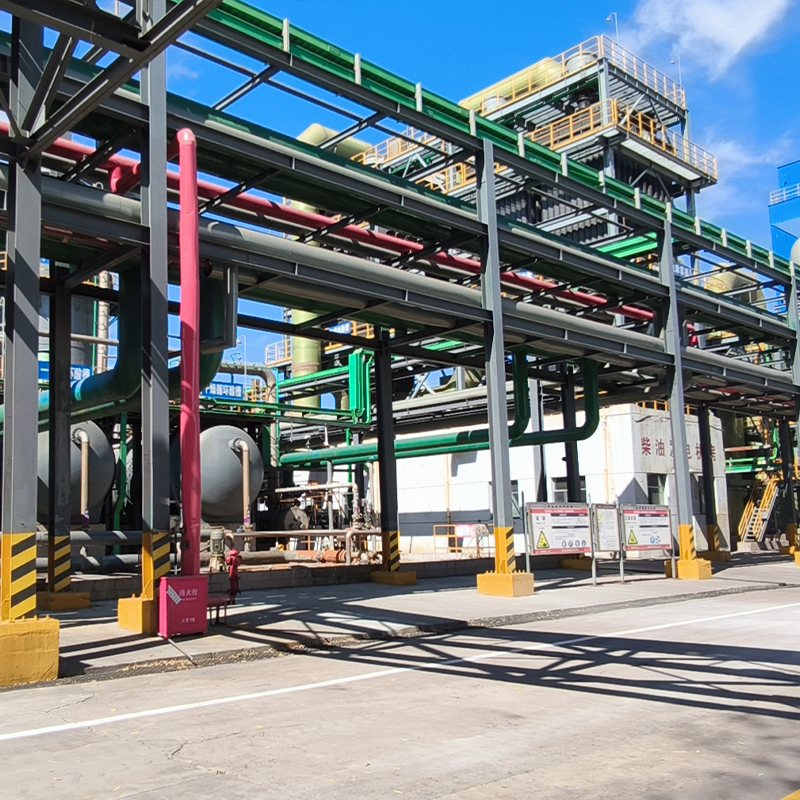
Sulfuric Acid Absorption Equipment
Commissioning and Acceptance Checks
Mist control should be tested under known process conditions. Before sulfur is introduced, confirm internal cleanliness, distributor level, packing depth, separator orientation, support fasteners, drain seals, instrument impulse lines, and fan rotation. Water tests can verify distribution where the equipment and procedure allow them, but the tower must be fully dried before acid service.
During the production trial, bring the plant through defined load points rather than recording only the final rate. At each point, note acid concentration, tower inlet and outlet temperature, circulation flow, pressure drop, cooling-water condition, and stack observation. Sampling methods and test boundaries should be written into the acceptance plan.
These records help the project engineering team distinguish a design limit from an operating upset. They also give the site a clean baseline for later maintenance. Without the baseline, a slow change in pressure drop or outlet mist can go unnoticed until corrosion or a visible plume appears.
Supplier Scope and Project Data
Hebei Aoliande Chemical Equipment Co., LTD. supplies sulfuric acid production equipment and related engineering support. Buyers should provide feed sulfur data, production rate, process route, gas analysis, acid product requirement, local emission basis, utility conditions, and site limits. That information allows the tower, circulation system, cooling duty, and mist separation equipment to be reviewed together.
The wider range of chemical production systems also matters when sulfuric acid is integrated with fertilizer or chloride production. Battery limits must state which party owns acid storage, cooling water, tail-gas monitoring, wash-liquor handling, and the control interface. Clear boundaries prevent late piping changes around a tower that has already been fabricated.
استنتاج
Reliable acid mist control starts before the demister. Stable acid concentration, controlled temperature, even gas and liquid distribution, correct separator selection, clear drainage, and trend-based maintenance all affect the outlet result. The best acceptance plan records these conditions together, so a later change can be traced to process formation, mechanical carryover, fouling, or damage.
الأسئلة الشائعة
The questions below address the practical issues buyers and operators most often raise during design reviews.
What is the difference between acid mist and acid spray?
Acid spray usually refers to larger droplets carried from liquid surfaces or distributors. Acid mist includes much finer droplets that may form through sulfur trioxide and water-vapor condensation. Fine mist normally requires a separator suited to a smaller particle range.
Why does demister pressure drop increase?
Common causes include deposit buildup, excess liquid loading, blocked drainage, higher gas flow, and inaccurate impulse lines. Compare the reading with gas rate and the clean baseline before deciding to wash or replace the element.
Can a larger demister solve every sulfuric acid mist problem?
No. A larger element may reduce velocity, but it cannot correct moisture ingress, unstable acid strength, poor tower distribution, or a bypass around the frame. The process cause and the mechanical separator should be checked together.