
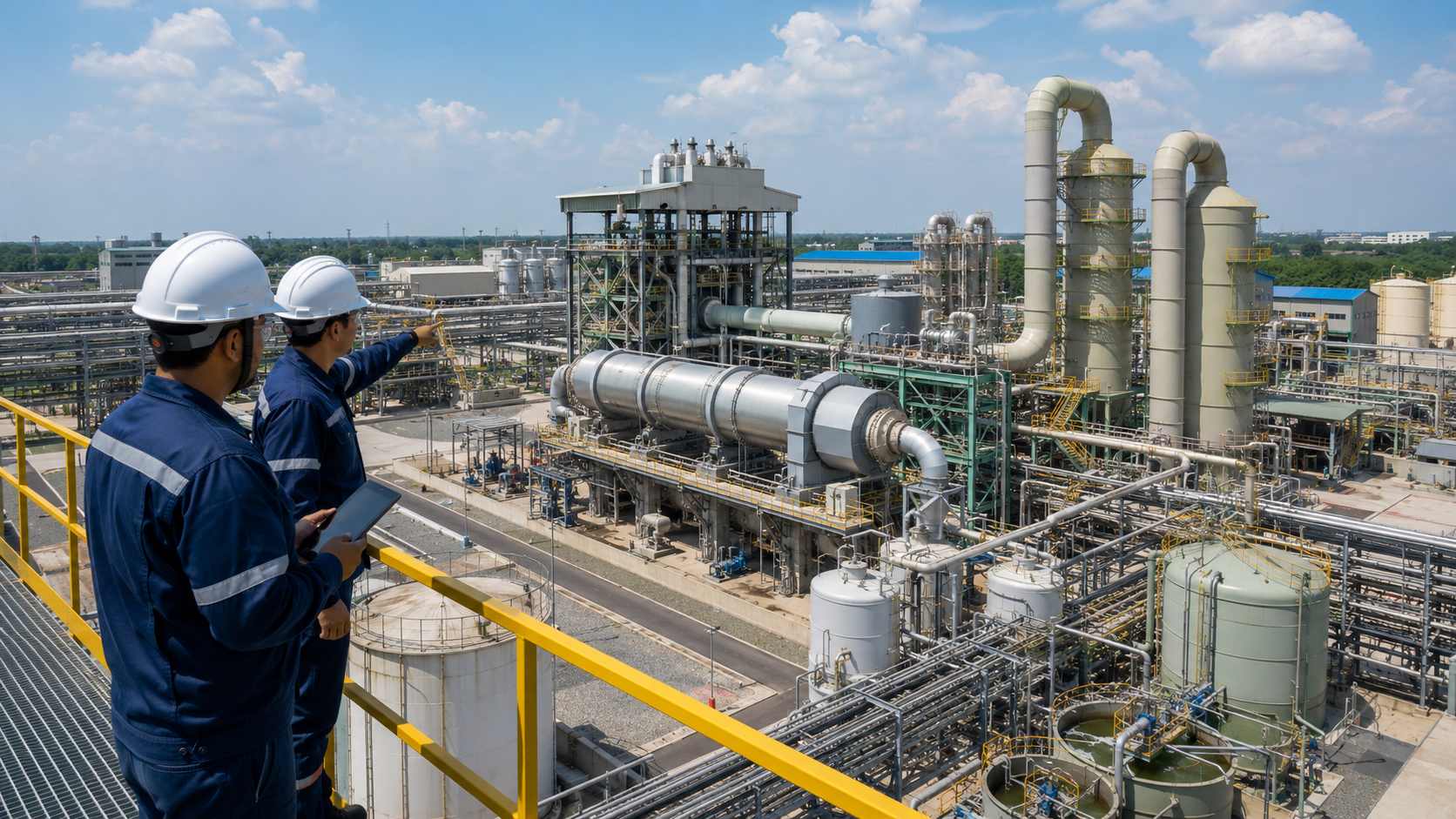
Choosing capacity is one of the first hard decisions in a Mannheim Process SOP Plant project. Too small, and the plant may fail to meet fertilizer orders during peak seasons. Too large, and the project may face idle equipment, high fuel cost, raw material pressure, and slow payback.
For potassium sulfate producers, the right SOP plant capacity should match real market demand, potassium chloride supply, sulfuric acid availability, Mannheim furnace configuration, HCl absorption capacity, utility conditions, and future expansion plans. Capacity is not just a number on a proposal. It decides how the whole potassium sulfate production line will run every day.
Why does SOP plant capacity matter before equipment purchase?
SOP plant capacity affects far more than furnace size. It shapes the plant layout, raw material storage, acid dosing system, HCl recovery system, cooling section, packing line, labor plan, and total investment. A buyer planning a 10,000-ton yearly output has a very different risk profile from a buyer planning a regional supply base with several times that volume.
Capacity changes both investment and daily cost
Higher capacity usually means more equipment, larger buildings, stronger gas treatment, more power demand, and higher working capital. Yet small capacity can also raise the cost per ton because fixed costs are spread across fewer finished products.
A practical capacity plan should answer three questions first:
- How many tons of SOP fertilizer can be sold each year?
- Can potassium chloride and sulfuric acid arrive steadily every month?
- Can hydrochloric acid by-product be stored, sold, or used without pressure?
When these answers are not clear, a medium-capacity Mannheim Process SOP Plant with room for later expansion is often safer than building the largest line at the start.
How much market demand can the SOP fertilizer plant support?
Market demand should come before equipment scale. Potassium sulfate is widely used for chloride-sensitive crops such as fruits, vegetables, tobacco, tea, potatoes, and greenhouse crops. In some regions, demand is stable because local fertilizer distributors already serve these crops. In other regions, the market still depends on farmer education and seasonal orders.
Sales channels decide realistic annual output
A new SOP fertilizer plant may have a strong business plan, but real sales can move slowly in the first year. Warehouses fill fast when a plant runs at full load but distributors are still testing the product. For this reason, capacity planning should be tied to confirmed orders, dealer coverage, and export channels.
| Project situation | Safer capacity direction | Main reason |
| New market entry | Small to medium capacity | Lower stock and cash flow pressure |
| Existing fertilizer distributor network | Medium capacity | Better match between sales and production |
| Long-term contract orders | Medium to large capacity | Stable offtake supports higher output |
| Export-oriented SOP business | Larger scalable plant | Needs steady shipping volume and product stock |
The right SOP production capacity is not always the highest one. It is the output that the market can absorb while the plant keeps a healthy cash cycle.
What raw material supply is needed for stable SOP production?
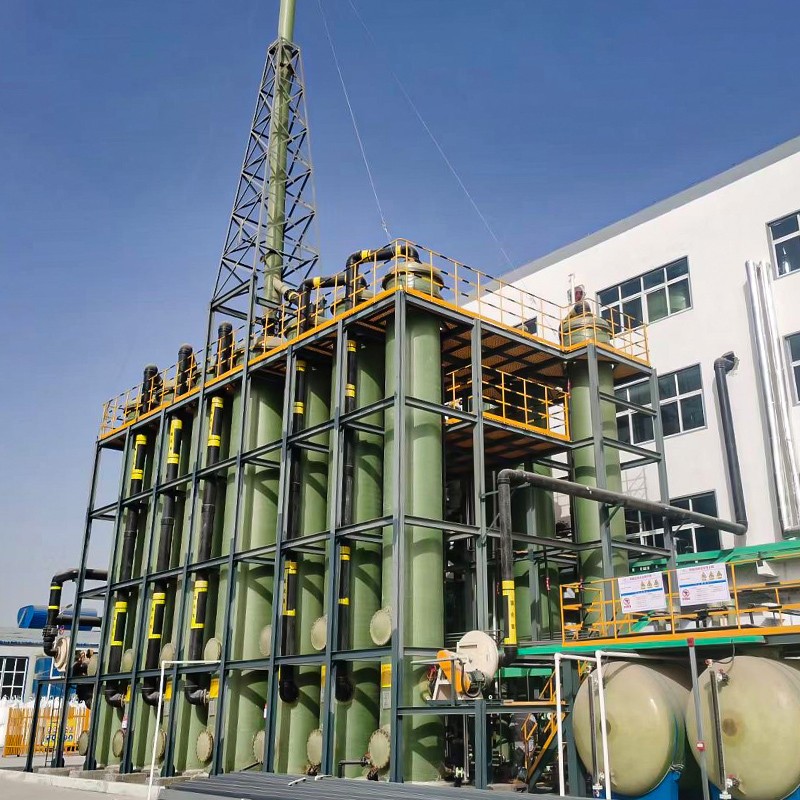
Mannheim process potassium sulfate production mainly uses potassium chloride and sulfuric acid. These two materials must feed the furnace at a stable ratio. If one material is delayed, the whole potassium sulfate production line may slow down or stop.
Raw material logistics can limit real capacity
For inland projects, potassium chloride may depend on port delivery, rail transport, or long-distance trucking. Sulfuric acid also needs safe storage and stable supply. If the plant is designed for high capacity but raw material delivery can only support half of that load, the equipment will not reach its planned value.
Buyers should check:
- Monthly potassium chloride supply volume
- Sulfuric acid source and delivery distance
- Storage capacity for both materials
- Fuel, water, power, and labor availability
- Local rules for acid storage and chemical handling
Raw material consumption should be calculated by operating days, not just by annual capacity. For example, a plant running 300 days a year needs a different daily feeding plan from a plant running 330 days with fewer shutdowns.
How many Mannheim furnaces should the plant use?
The Mannheim furnace is the core reaction unit in a K2SO4 production line. It handles high temperature, acidic gas, and continuous material movement. Furnace quantity and furnace design both affect real output.
Furnace configuration should match maintenance needs
One large furnace setup may look simple on paper, but maintenance can stop a big part of the plant. Several furnace lines may cost more at the beginning, but they give better operating flexibility. If one furnace needs cleaning or repair, other sections may still run.
Good Mannheim furnace design should support even heating, complete reaction, stable discharge, and lower fuel waste. Furnace flue design also matters because poor heat use can raise the potassium sulfate production cost every day. In long-term operation, fuel cost often becomes more painful than the original equipment price.
Can the HCl absorption system handle the by-product volume?
Every Mannheim Process SOP Plant produces hydrogen chloride gas during the reaction. This gas cannot be treated as a small side issue. It must be captured and absorbed into hydrochloric acid through a properly sized HCl absorption system.
By-product handling affects both safety and profit
When capacity grows, HCl volume grows with it. If the absorption tower, gas cooling section, storage tank, or scrubber is too small, the plant may face corrosion, odor, safety risk, and environmental pressure. A strong HCl recovery section can turn a difficult gas stream into a useful chemical by-product.
Before choosing a large SOP plant capacity, buyers should check whether there is a stable local market for hydrochloric acid. Nearby users may include water treatment plants, metal cleaning plants, chemical processors, and industrial cleaning operations. Without a clear HCl outlet, a high-output SOP plant may create storage pressure even when fertilizer sales are good.
How do energy cost and automation influence capacity selection?
Mannheim process potassium sulfate production needs high-temperature reaction conditions. Fuel and electricity costs have a direct effect on plant profit. In areas where gas, coal, or power is expensive, a large plant must be planned with special care.
Stable control reduces hidden losses
Modern potassium sulfate plant design should include steady feeding, acid dosing, furnace temperature control, gas handling, cooling, screening, and packing coordination. PLC automatic control can help keep feedstock ratios stable and reduce manual adjustment.
For high-capacity projects, automation is not only about saving labor. It also helps cut mistakes during long shifts. A small feeding error repeated for several hours can lead to incomplete reaction, lower product quality, more cleaning work, and higher fuel use.
What capacity is best for small, medium, and large SOP projects?
There is no single best capacity for every investor. The best choice depends on land, budget, sales plan, raw material security, HCl recovery, and payback target.
Project size should follow business reality
Small SOP plants are better for new markets, pilot production, or buyers with limited budgets. Medium plants suit fertilizer companies with stable regional demand. Large plants fit groups with strong raw material access, mature sales channels, and clear by-product handling.
Small vs large SOP production plant decisions should not be based only on ambition. The better question is whether the plant can run close to its planned load for most of the year. If actual operation stays far below the design output, unit cost rises and the SOP plant ROI becomes weaker.
What should buyers check before confirming SOP plant capacity?
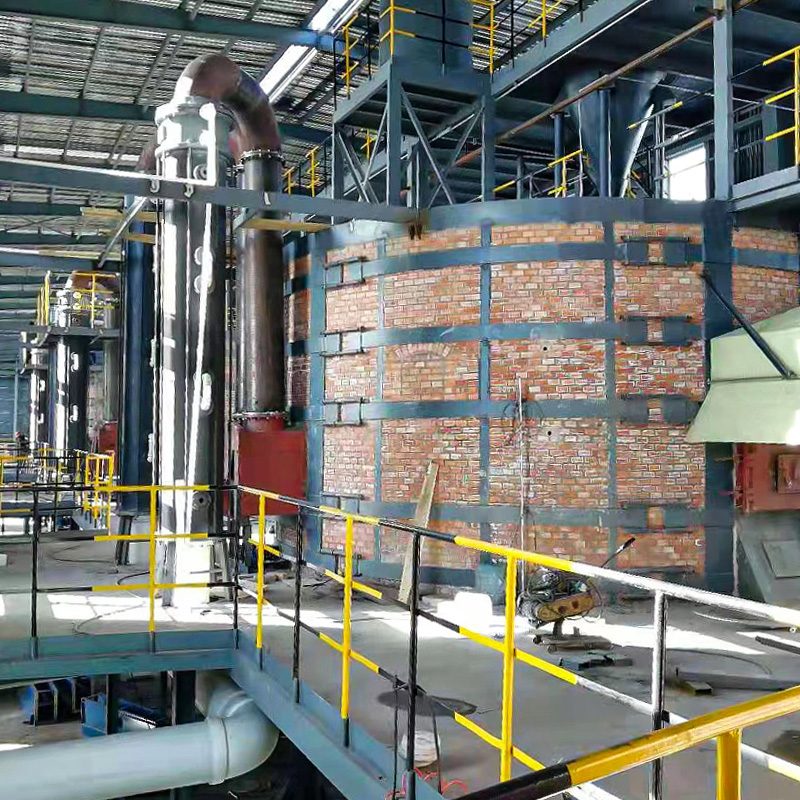
Capacity selection should be finished before detailed equipment quotation. Clear project data helps the supplier design the full potassium sulfate production line more accurately.
A practical capacity checklist
Before signing off the design, buyers should prepare:
- Target annual SOP sales volume
- Planned operating days per year
- Potassium chloride and sulfuric acid supply plan
- Fuel type and local energy price
- Mannheim furnace quantity and maintenance plan
- HCl absorption and hydrochloric acid storage plan
- Product form, bag size, and packing speed
- Land size, warehouse space, and truck access
- Environmental approval requirements
- Expected payback period and expansion plan
This checklist prevents a common mistake: buying a furnace first and solving the rest of the plant later. A complete Mannheim Process SOP Plant works only when feeding, reaction, gas recovery, cooling, storage, and packing sections are sized together.
Hebei Aoliande as a Mannheim Process SOP Plant supplier
Hebei Aoliande Chemical Equipment Co., LTD. focuses on chemical production line equipment, including Mannheim Process Potassium/Sodium Sulfate Production Line SOP Plant, sulfuric acid production line, calcium chloride production line, water soluble fertilizer production line, and related industrial equipment.
For SOP plant buyers, supplier experience matters because capacity planning involves more than equipment output. Furnace structure, corrosion-resistant materials, HCl absorption, flue design, PLC control, installation guidance, and commissioning support all affect long-term operation. Hebei Aoliande has built project experience around potassium sulfate production and hydrochloric acid recovery, which gives buyers a clearer reference for plant layout, equipment matching, and daily production management.
Conclusion
Choosing the right capacity for a Mannheim Process SOP Plant is a business and engineering decision at the same time. Market demand, raw material supply, Mannheim furnace configuration, HCl recovery, energy cost, automation level, and SOP plant ROI should all be checked before the final design.
The best potassium sulfate production line is not simply the biggest one. It is the line that can run steadily, match sales volume, control by-products, reduce waste, and leave space for future growth. A well-planned SOP plant capacity helps the project move from equipment purchase to stable fertilizer production with fewer surprises.
FAQs
What is the best capacity for a Mannheim Process SOP Plant?
The best capacity depends on annual sales, raw material supply, operating days, HCl recovery ability, energy cost, and budget. A medium-capacity plant with expansion space is often suitable for new or growing markets.
How many Mannheim furnaces are needed for an SOP plant?
The number of Mannheim furnaces depends on target annual output, single-furnace capacity, maintenance schedule, and production flexibility. Multiple furnaces can reduce shutdown risk, but they also require stronger gas treatment and control systems.
Why is HCl absorption important in potassium sulfate production?
HCl absorption is important because Mannheim process potassium sulfate production releases hydrogen chloride gas. A properly designed HCl absorption system helps reduce emissions, protect equipment, improve safety, and recover hydrochloric acid as a by-product.
Does a larger SOP plant always lower production cost?
Not always. Larger capacity may reduce fixed cost per ton only when sales, raw materials, energy supply, and HCl outlets are stable. If the plant runs below planned output, potassium sulfate production cost may rise instead.
What information should buyers provide before asking for an SOP plant quotation?
Buyers should provide target capacity, raw material conditions, fuel type, operating days, product form, packing requirements, land size, local environmental rules, and expected expansion plan. These details help build a more accurate potassium sulfate plant design.