
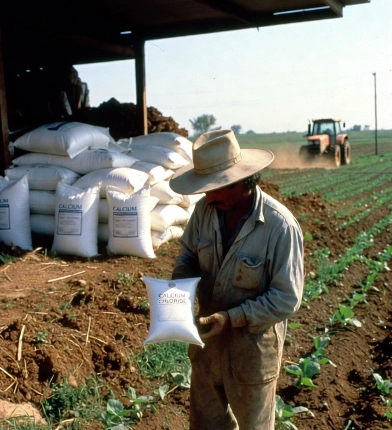
Farmers deal with hard problems like changing weather and bad soil. Calcium chloride in agriculture works as a handy fix for these issues. This stuff helps make crops stronger and farms run better. It covers things from fixing dirt to guarding plants. Its roles touch many parts of farm work. See how it plays out in everyday tasks on the land. Beyond basics, it aids in dust control on farm roads, keeping air clean for workers and animals. In greenhouses, it balances humidity to stop mold growth. Orchards use it to firm up fruit skins, cutting bruises during harvest.
Understanding Calcium Chloride Basics
Calcium chloride looks like a white, crumbly powder that mixes fast with water. It draws dampness from the air. That trait comes in handy during dry spells. On farms, it gives calcium and chloride bits that plants and critters require. Fields in dry climates stay productive longer with its help. Veggie growers add it to irrigation lines for even spread. This simple step cuts losses from weak stems or yellow leaves.
This takes us right into its effects on growing things.
Soil Amendment and Nutrient Boost
Dirt often misses important bits, which leads to frail plants. Calcium chloride soil moisture management holds water in the ground for longer. In parched spots like some African areas, treated fields get better seed starts. For example, peanut farmers in loose soil blend it in to keep rain. This cuts water use by up to 20 percent sometimes. Tomato patches avoid cracking fruits this way. It also curbs erosion on slopes by clumping soil bits.
- It binds bits to build better dirt shape.
- It eases tight soil so roots can grow out.
- It pushes out bad salt in salty land.
Here’s a chart of common dirt kinds and how calcium chloride helps:
| Soil Type | Issue | Calcium Chloride Benefit |
| Sandy | Low water hold | Boosts damp keep, helps take in food |
| Clay | Bad drain | Loosens up for air move |
| Saline | Too much salt | Shoves out salt, fixes balance |
These shifts lead to sturdy roots and bigger harvests. Learn more about production lines that back these uses.
This food role reaches out to shield crops from trouble.
Frost Protection and Disease Control
Sudden cold kills off yields. Calcium chloride frost protection crops drops the freeze point in plant parts. You spray it on leaves before frost hits. It guards tomatoes and berries. In Canada, farms that use this save 15 percent more fruit in early chills.
It battles decay in storage too. Dip apples in a mix to cut bitter pit by 30 percent in tests. Bitter pit comes from low calcium. Using calcium chloride to prevent fruit rot makes goods last longer.
Here are steps to fight sickness:
- Blend with water for leaf sprays.
- Put on during weak growth times.
- Mix with other foods for full shield.
These ways link to care for animals on the farm.
Applications in Livestock Farming

Critters need good feeds as well. Calcium chloride animal feed additive lowers risks like milk fever in cows. Mix it in meals to balance minerals. This drops cases by 25 percent in milk herds.
For birds, it makes eggshells tough. Chickens on treated water lay eggs with less breaks. In hot weather, it keeps salt levels steady. This raises life rates for stressed fowl.
Now, this moves to how it fits green ways.
Verringerung der Umweltauswirkungen
Farms try to cut waste. Calcium chloride for reducing soil salinity washes out extra salts in watered lands. In Asia, rice fields treated this way give 10 percent more without added water.
It lowers smell loss from dung. Spread it on heaps to cut odors and hold foods in. This keeps air clean near sheds.
Quick points on earth-friendly perks:
- Cuts flow-off to creeks.
- Saves water in dry places.
- Reuses foods well.
All in all, these roles make tough farms. Explore our company background for tips on good sources.
Boosting Yields in Specific Crops
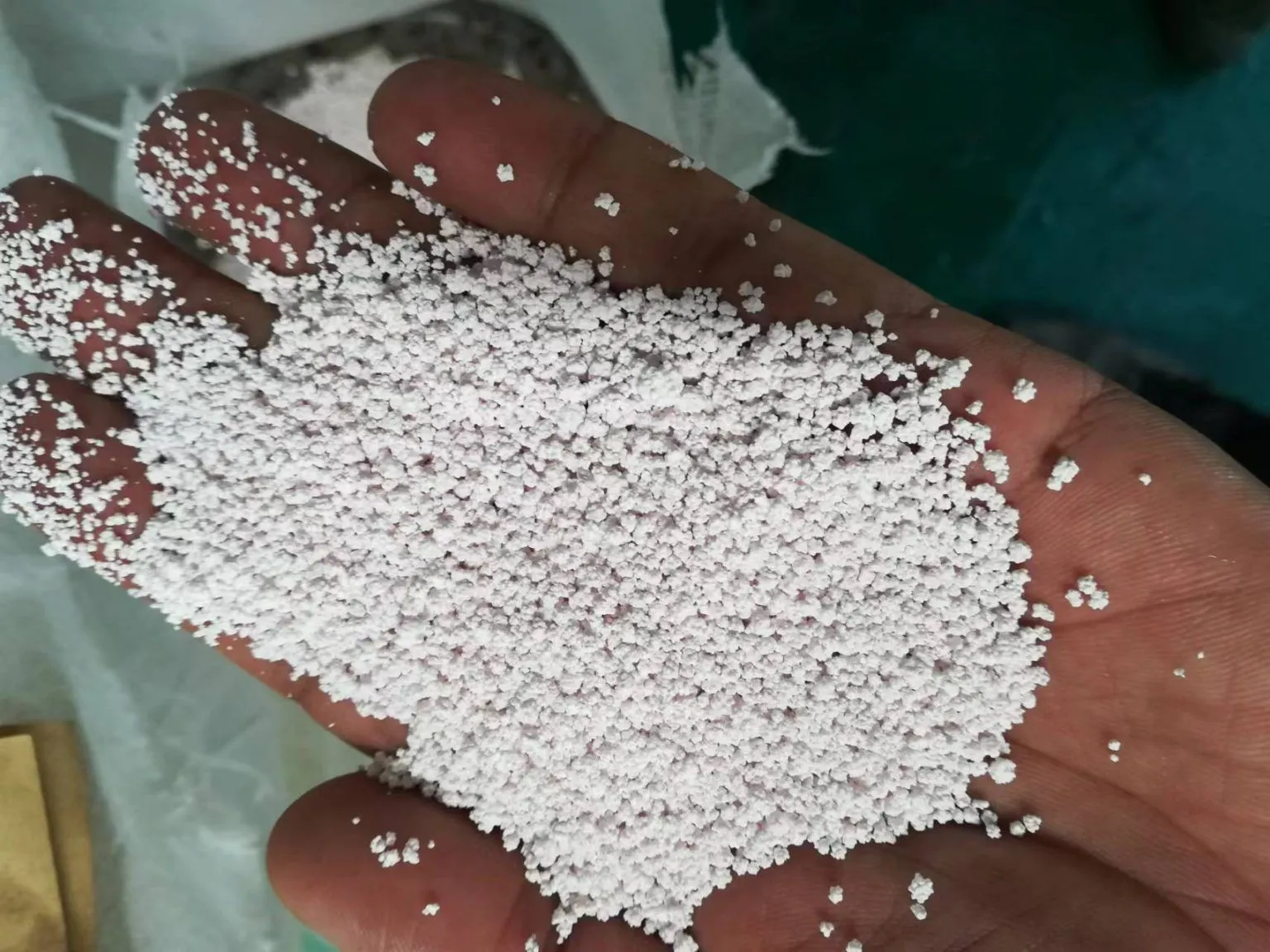
Some plants do great with added help. Calcium chloride in liquid fertilizers blends easy for drip lines. Corn plots in North America grow taller stalks and fuller cobs with this feed way.
For spuds, it stops hollow heart from uneven calcium. Onions get solid bulbs that last in shops. Melons ripen even, with less throw-away.
Chart of gains by plant:
| Crop | Application Method | Yield Improvement |
| Peanuts | Soil mix | Up to 20% more pods |
| Wheat | Leaf spray | Tough stems, 15% more grain |
| Cotton | Drip feed | Better ball make |
These show true field wins. Check our full product range to view backup gear.
This points to supply spots.
Hebei Aoliande Chemical Equipment Co., LTD.: A Reliable Supplier
Based in Hebei Province, China, Hebei Aoliande Chemische Ausrüstung Co., LTD. focuses on making lines for stuff like calcium chloride. With more than 300 workers and quality checks, they build gear that hits world marks. Their sets make pure output over 95 percent, with low power use. Growers and makers look to them for strong tools in plant food make. Visit our homepage for info on what they offer.
Schlussfolgerung
Calcium chloride shows key in farm work, from dirt mends to plant shields. Its broad roles back better yields and earth-smart ways. Farms that take it on spot real gains in strength and make.
Häufig gestellte Fragen
What are the main applications of calcium chloride in agriculture?
It works in dirt water control, cold shield, and feed add. For plants, calcium chloride prevent crop disorders like bitter pit in apples.
How does calcium chloride help with soil salinity issues?
Calcium chloride for sodium affected soils pushes out salt, betters shape. This fixes balance in watered fields, aids grow.
Is calcium chloride safe for livestock feed?
Yes, benefits of calcium chloride in animal feed cut milk fever and toughen eggshells. Right amounts keep critters well.
Can calcium chloride improve fertilizer efficiency?
In calcium chloride liquid fertilizer formulation, it boosts food take. Drip lines send it straight to roots, cuts loss.
What crops benefit most from calcium chloride?
Spuds, onions, and melons gain. Calcium chloride applications in peanut cultivation boost pod grow in loose dirt.