
FRP Tank Manufacturer: Your Guide to Safe and Long-Lasting Storage Solutions
When I first started consulting for chemical plants and water treatment facilities, one thing became clear: the storage tank you choose can make or break your operation. Traditional steel or concrete tanks often fail due to corrosion, high weight, and frequent maintenance. That’s where a professional FRP tank manufacturer becomes invaluable.
Fiberglass Reinforced Plastic (FRP) tanks combine strength, chemical resistance, and flexibility, making them the go-to solution for industries that require durable storage options. In this article, I’ll explain what an FRP tank manufacturer does, the types of tanks they offer, how they are made, and why partnering with the right manufacturer saves both money and headaches.
What Does an FRP Tank Manufacturer Do?
Ein FRP tank manufacturer specializes in designing and producing fiberglass tanks for a wide range of liquids, including:
-
Corrosive chemicals and acids
-
Water and wastewater
-
Fertilizer solutions
-
Petroleum and fuel
-
Brine or seawater
Beyond simply producing tanks, a manufacturer provides expertise in material selection, tank design, and compliance with industry standards. They also support installation and maintenance to ensure long-term reliability.
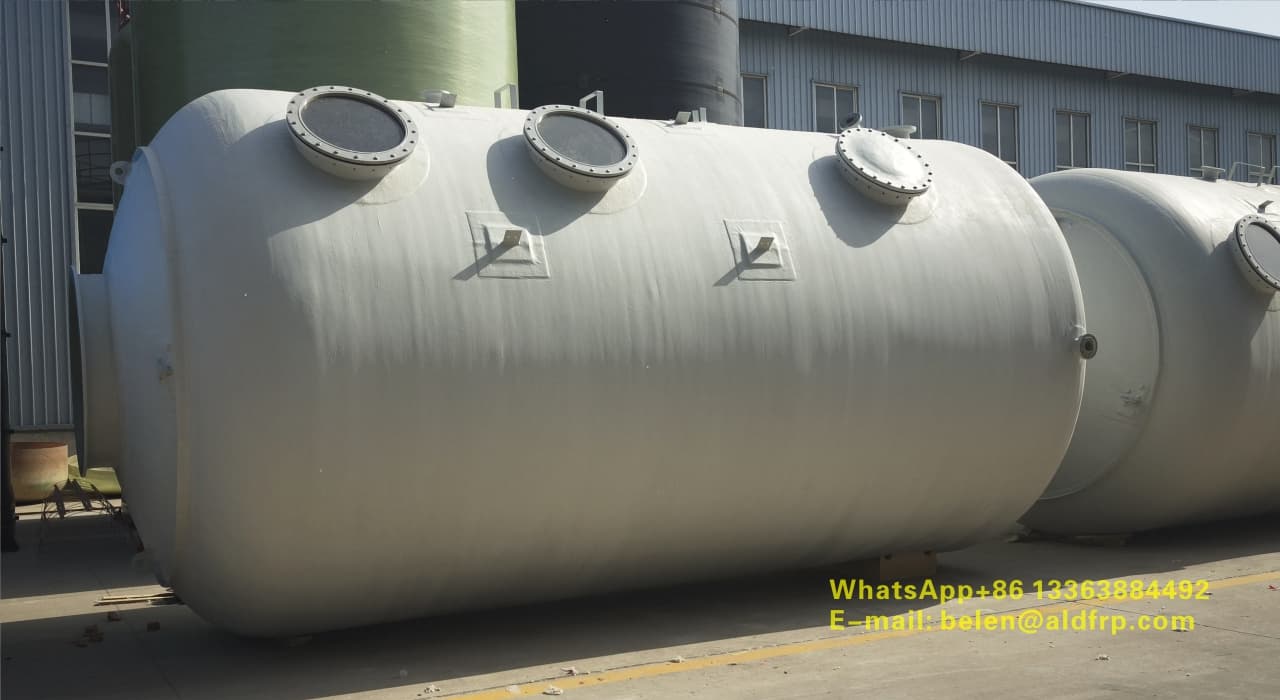
Key Services Offered by FRP Tank Manufacturers
A professional FRP tank manufacturer offers more than just tanks—they provide complete solutions:
-
Custom Design – Tailoring tank size, shape, and capacity to meet specific process requirements.
-
Material Selection – Choosing the right resin system and fiberglass type to resist chemicals and structural stress.
-
Manufacturing Expertise – Using advanced techniques such as filament winding or hand lay-up.
-
Quality Assurance – Conducting hydrostatic testing, layer inspections, and other quality controls.
-
Installation Guidance – Helping clients properly install and secure tanks for optimal performance.
-
Technical Support – Offering advice and troubleshooting throughout the tank’s operational life.
These services ensure your FRP tanks are not only durable but also compliant with international standards like ASME RTP-1, ASTM D3299, or EN 13121.
Types of FRP Tanks Produced
A trusted FRP tank manufacturer can produce a variety of tanks suited for different applications:
1. Aboveground Tanks
Used for chemical storage, potable water, or wastewater treatment. These tanks are easy to inspect and maintain.
2. Underground Tanks
Designed to withstand soil pressure and groundwater conditions, making them ideal for fuel storage or buried chemical storage.
3. Acid Storage Tanks
Specially designed to store highly corrosive acids like hydrochloric, sulfuric, and nitric acid safely.
4. Custom Tanks
For facilities with unique requirements, tanks can be customized for size, wall thickness, integrated fittings, and even unusual shapes.
How FRP Tanks Are Manufactured
The durability of an FRP tank largely depends on the manufacturer’s production methods. Common processes include:
Filament Wicklung
Continuous fiberglass fibers are impregnated with resin and wound precisely onto a rotating mandrel. This creates uniform wall thickness and high mechanical strength, especially for large industrial tanks.
Hand Lay-Up
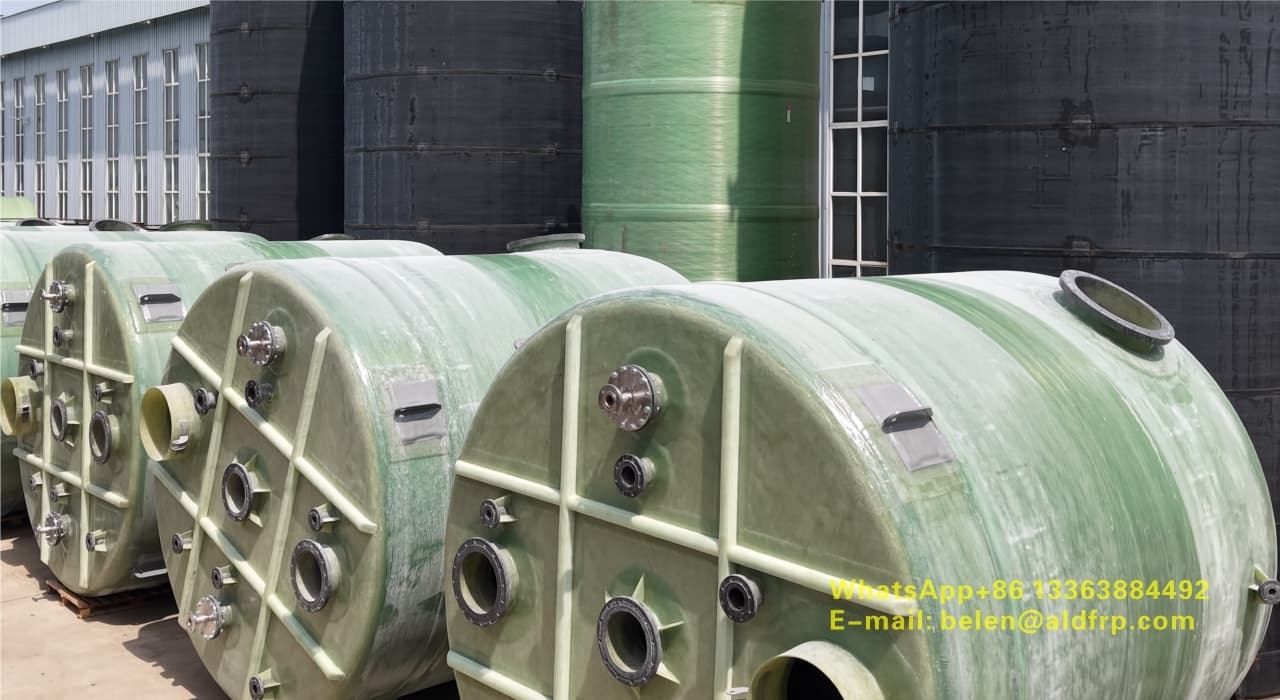
Fiberglass and resin layers are applied manually to molds, allowing custom shapes and multi-layer reinforcement. It also makes it easy to integrate fittings like nozzles, vents, or baffles.
Some manufacturers combine both processes depending on the tank’s size and operational requirements.
Advantages of Choosing a Professional FRP Tank Manufacturer
Working with an experienced FRP tank manufacturer comes with clear benefits:
1. Corrosion Resistance
Fiberglass naturally resists chemical corrosion, extending the tank’s life and reducing maintenance.
2. Long Lifespan
A high-quality FRP tank can last 20–30 years in industrial conditions, significantly outlasting steel or concrete alternatives.
3. Lightweight Yet Strong
FRP tanks are easier to transport and install due to their lighter weight, but they still withstand structural and chemical stress.
4. Customizable Design
Tanks can be tailored for capacity, shape, wall thickness, and operational features such as integrated nozzles or manholes.
5. Compliance and Safety
Reputable manufacturers ensure tanks meet all relevant safety and environmental standards.
Anwendungen in allen Branchen
Here are a few examples of how FRP tanks are used:
-
Chemical Industry: For acids, alkalis, and solvents.
-
Water Treatment: For potable water, wastewater, and treatment chemicals.
-
Fertilizer Plants: Safe storage of acids and other chemical solutions.
-
Power Plants: Tanks for cooling systems and chemical storage.
-
Marine Industry: Saltwater or brine tanks that resist corrosion.
-
Agriculture: Liquid fertilizers and irrigation water storage.
In my experience, industries that invest in quality FRP tanks see fewer operational disruptions and lower long-term costs.
Tips for Choosing the Right FRP Tank Manufacturer
Here’s what I recommend considering:
-
Experience and Track Record – Look for manufacturers with proven expertise in industrial FRP tanks.
-
Technical Knowledge – They should understand resin systems, chemical compatibility, and tank engineering.
-
Manufacturing Capability – Ensure they have equipment like filament winding machines for consistent quality.
-
Quality Control Practices – Rigorous inspection and testing are key to reliability.
-
Anpassungsoptionen – A manufacturer should provide tailored solutions for your specific needs.
-
Reputation and References – Ask for case studies or client feedback in similar industries.
Choosing the right manufacturer reduces risk, avoids costly mistakes, and ensures your investment lasts for decades.
Schlussfolgerung
A trusted FRP tank manufacturer is more than a supplier—they’re a partner in ensuring your industrial liquids are stored safely, efficiently, and reliably. By selecting a manufacturer with experience, technical expertise, and customization capabilities, you gain:
-
Durable, corrosion-resistant tanks
-
Long-term cost savings
-
Compliance with international standards
-
Technical support throughout the tank’s lifecycle
In my experience, partnering with the right FRP tank manufacturer is one of the smartest decisions a facility can make for long-term safety and efficiency.