
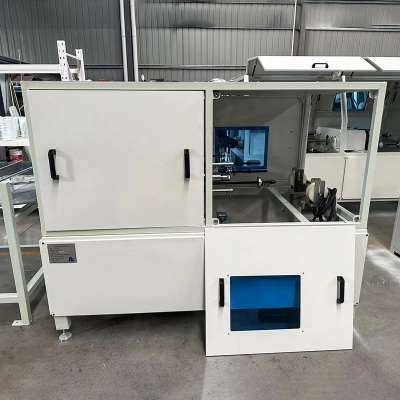
As the world pays more attention to caring for the environment and building a better future, many fields are looking for ways to work better and hurt the planet less. The chemical field, which is a big part of making things around the world, is doing the same. One key change in this shift is the use of Fiber Reinforced Plastic (FRP) equipment. It plays a big part in making things more eco-friendly and following tougher rules about the environment.
What is FRP Equipment?
Fiber Reinforced Plastic (FRP) is a mix of materials. It has a polymer base strengthened with fibers, like glass, carbon, or aramid. This mix creates stuff that is light and very strong. So, it works well for many jobs in the chemical field. Items like pipes, storage tanks, and grating systems are common. FRP equipment has perks over old materials such as steel and concrete. It stands up to rust better and saves energy too.
The Role of FRP Equipment in the Green Transformation
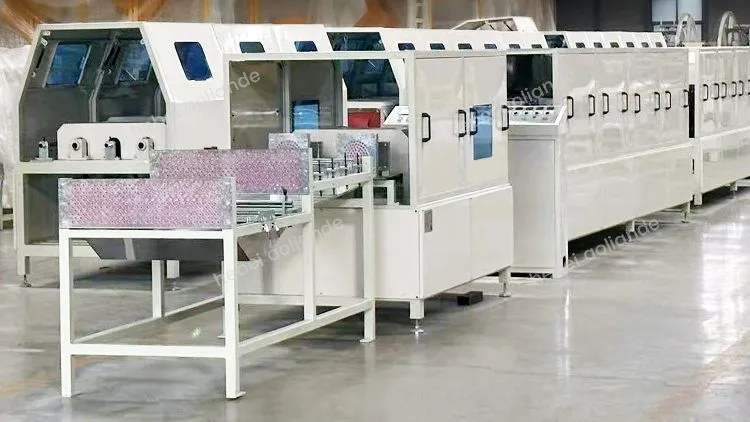
FRP equipment contributes to the green transformation of the chemical industry in multiple ways, from reducing energy consumption to enhancing durability and supporting environmental compliance.
Energy Savings and Lower Carbon Output
One big way FRP equipment aids the chemical field’s green change is by saving energy. FRP materials have a good balance of strength and weight. They are easy to move and set up compared to steel. This means less fuel is used to ship and install them. As a result, chemical plants leave a smaller mark on the air.
Also, FRP keeps heat in well. For instance, FRP tanks for storing chemicals hold steady temperatures. They do not need extra machines to heat or cool, which use a lot of power. This cut in energy helps save money. And it fits with worldwide plans to lower gases that warm the planet.
Durability and Reduced Maintenance
FRP equipment fights rust well too. This makes it great for the chemical field. Chemical work often deals with harsh stuff that eats away at normal materials like steel fast. But FRP lasts longer against rust. It makes equipment live longer and cuts down on swaps.
This strength saves cash. And it helps the environment. Fewer swaps mean less use of raw stuff and power to make and move new gear. Plus, longer life for FRP equipment means less trash from factories.
Waste Reduction and Recycling
Being green in the chemical field is not just about cutting gases and power use. It is also about making less trash and reusing things. FRP materials can be reused, which helps with loop economies. Many makers are finding ways to reuse FRP scraps. They might use them in new making or turn them into fuel.
For example, FRP grating is used in plants for floors and paths. After its use, it can be reused. This keeps it out of dumps. Moreover, making FRP parts uses less power and makes fewer bad gases than old materials. So, it is a better pick for the long run.
Leak Prevention and Environmental Protection
A tough problem in the chemical field is spills and leaks of chemicals. These can hurt the world badly. FRP tanks and pipes are built to stop leaks and keep bad stuff from spreading. This makes them key for safe keeping and moving of chemicals.
When plants use FRP equipment, they lower the chance of leaks. Harmful things stay away from dirt, water, or air. This guards nature. And it helps follow strict rules about the environment, which matter more for firms everywhere.
Environmental Certifications and Regulatory Compliance
With green ways becoming a main goal for firms in all fields, there is more push to get green badges and follow rules. FRP equipment helps chemical makers reach these aims. For example, Hebei Aoliande Chemical Equipment Co., Ltd. — a maker of FRP products — makes sure their gear meets ISO9001, ISO14001, and OHSAS18001 badges. These world standards look at quality, care for the environment, and safe work for health.
When firms buy FRP equipment, they cut their harm to nature. They also stand out as top players in green making. This wins trust from buyers and rule makers.
How FRP Equipment Supports Specific Chemical Industry Applications
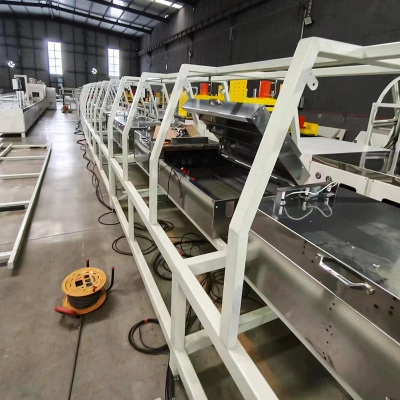
FRP equipment provides reliable, corrosion-resistant solutions for key processes in the chemical industry, improving efficiency and environmental safety.
Desalination and Water Treatment
FRP equipment is common in water cleaning spots, especially where they take salt out of sea water. The world has more need for fresh water, mainly in dry places. Turning sea water fresh is getting more vital. FRP tanks and pipes fit well here. They stand up to rust from salty water, which would break old materials.
By using FRP in salt removal and water cleaning, firms make these jobs run smoother. They cut repair costs and harm to nature too.
Chemical Storage and Transportation
In chemical plants, safe keeping and moving of chemicals are musts for good work and guarding nature. FRP storage tanks are a top fix. They fight rust and hold strong chemicals safely. Plus, being light, FRP tanks lower shipping costs. This leads to less overall harm to the environment.
Wastewater Treatment
FRP equipment does well in spots that clean dirty water too. The chemical field makes a lot of dirty water. Good cleaning is key to stop harm to nature. FRP systems hold and move dirty water. They give a safe, strong, and rust-proof way that follows rules about the environment. And it saves money.
About Hebei Aoliande Chemical Equipment Co., Ltd.
Hebei Aoliande Chemische Ausrüstung Co., Ltd. is a pro maker focused on FRP/GRP products and many chemical tools. This includes tanks, pipes, and making lines. With a focus on quality, new ideas, and being green, the firm gives buyers top fixes. These help meet work and earth goals.
Schlussfolgerung
The green shift in the chemical field is moving forward. FRP equipment is a big help in this. It saves energy and cuts carbon. It lasts long and makes less trash. FRP products bring many perks that build a greener future for the chemical field.
When makers use FRP equipment, they work better and hurt the planet less. They hit long goals for being green. As people want more earth-friendly ways, firms that take on these tools will do well in a tough market.
Häufig gestellte Fragen
Q1: How does FRP equipment help with energy savings in the chemical industry?
FRP equipment cuts power use when moving and setting up because it is light. Also, it keeps heat steady in tanks and pipes. This means less need for machines that heat or cool with lots of energy.
Q2: Can FRP products be reused?
Yes, FRP products can be reused. This aids a loop economy. Many makers look for ways to use FRP scraps in new making or turn them into fuel. It cuts dump trash.
Q3: What fields gain the most from FRP equipment?
Fields in chemical making, water cleaning, salt removal, and dirty water handling gain a lot from FRP equipment. It fights rust well, saves energy, and lasts long.
Q4: How does FRP equipment stop harm to nature?
FRP products like tanks and pipes fight leaks hard. They keep bad chemicals from spreading to the world. This lowers the chance of dirt, water, and air getting dirty.
Q5: Why should firms buy FRP equipment for their chemical plants?
Buying FRP equipment helps firms work better and cut repair costs. It lets them follow rules about the environment. And it shows they care about being green. This makes them top in earth-friendly making.