
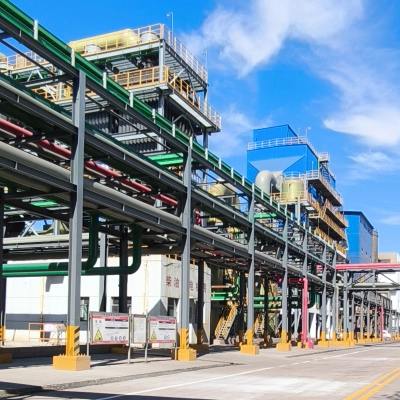
Sulfuric acid production uses a lot of energy. This is mainly because it needs high heat to turn sulfur dioxide (SO₂) into sulfur trioxide (SO₃). Energy prices are going up. Rules about the environment are getting stricter too. So, plants need to get better at using energy. They also want to cut down on harm to the planet. A good way to do this is by making heat recovery better. You can use waste heat boilers more wisely. And you can improve heat exchanger designs. In this blog, we look at these ideas. We focus on how they cut energy use. They lower running costs. And they help with green practices in Schwefelsäure Produktionslinien.
Energy Consumption in Sulfuric Acid Production
The usual way to make sulfuric acid involves changing sulfur dioxide (SO₂) to sulfur trioxide (SO₃). This happens with oxygen at hot levels. The method works well. But it takes a bunch of energy. Often, this comes from fossil fuels or power. Sulfuric acid is key in many fields. Like making fertilizers and chemicals. So, making its process better matters a lot. Not just for keeping costs down. But also for keeping the earth healthy.
Adding smart ways to save energy can cut costs a ton. The main trick is to grab and reuse energy inside the setup. You do this with new tools. Like systems for waste heat recovery. And waste heat boilers. Plus heat exchangers.
Heat Recovery: Capturing and Reusing Process Energy
A top way to use less energy in Schwefelsäureproduktion is heat recovery. In the process, hot gases come out a lot. Especially from the furnace and gas cleaning parts. If you catch this heat and send it back in, you cut the need for outside energy a bunch.
You can add heat recovery at different spots in the process. Here are some:
- Preheating Combustion Air: Heat from smoke gases can warm the air going into the burn room. This cuts down on fuel to keep things hot.
- Steam Generation: Hot gases from the changer part can make steam via a waste heat boiler. Then, you use this steam for warming stuff in the plant. Or to make power. This lowers the total energy need.
- Improved Heat Exchange: You place heat exchangers in smart spots. They move heat from hot waste gases to fresh air or raw stuff. By grabbing this heat, the line runs on its own more. And it needs less fuel from outside.
Waste Heat Boilers: Maximizing Heat Utilization
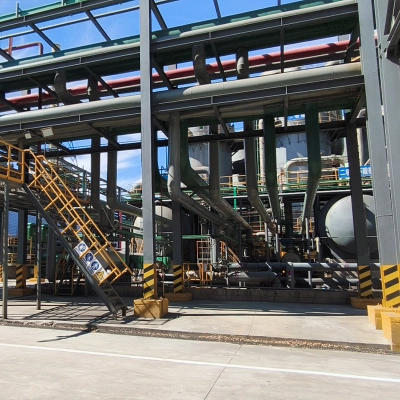
Waste heat boilers are key in making sulfuric acid production lines use energy better. These boilers grab waste heat and turn it into useful stuff. Like steam or hot water. You can use this back in the process. By making waste heat recovery top-notch, plants cut extra energy use. This means less fuel money and fewer bad gases in the air.
Perks of waste heat boilers in sulfuric acid production:
- Reduction in Energy Costs: They grab energy from waste gases. And turn it to steam or hot water. So, waste heat boilers cut fuel use a lot. This brings savings.
- Environmental Benefits: Waste heat boilers lower the bad mark on the planet from sulfuric acid making. They do this by using less fuel to keep temps high.
- Increased Plant Efficiency: These boilers fix the heat setup better. They help the plant run smoother. And they cut energy lost to the sky.
You need to plan adding waste heat boilers with care. This way, you grab the most heat. Especially from the hottest parts of the process.
Optimizing Heat Exchanger Design
Heat exchangers are vital in sulfuric acid production lines. They let heat move between gases, liquids, and solids in a safe way. A good heat exchanger boosts energy use. It makes sure lots of heat goes to new stuff like air or raw materials. And it cuts energy waste.
Main ways to make heat exchangers better:
- Selecting the Right Type of Heat Exchanger: There are different kinds. Like shell-and-tube or plate ones. Pick based on heat, pressure, and what fluids are there. For sulfuric acid production, they must fight rust and handle high heat.
- Maximizing Surface Area: Make more area touch the hot gases or fluids. This boosts heat move. Use fins, big surfaces, or many-pass setups. They improve without needing more room or stuff.
- Maintaining Optimal Flow Conditions: Make sure fluids move in the best way. Like against each other or across. This ups heat swap a lot. Clean and fix heat exchangers often. This stops build-up and dirt that slow them down.
Energy Cost and Production Efficiency
A big thing in checking if energy-saving works is linking energy costs to how well you produce. The better a sulfuric acid plant uses energy, the less it costs to run. And the less it hurts the environment. By making heat recovery systems top, plus waste heat boilers and heat exchangers, plants get:
- Lower Operational Costs: Cutting energy with these tools saves money right away. So, makers of sulfuric acid drop their making costs. And they make more profit.
- Improved Production Efficiency: Smart energy systems let plants keep steady making rates. No need for fixes due to energy ups and downs. This makes output stable. And the plant more trusty.
- Return on Investment (ROI): Starting costs for waste heat recovery and heat exchanger fixes can be big. But long-run saves on energy and better making pay back a lot.
Implementing Energy Efficiency in Sulfuric Acid Production Lines
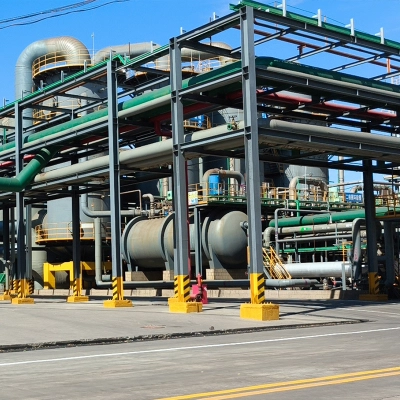
For those making sulfuric acid, it’s not about if to use energy-smart tools anymore. It’s how to add them well into work. Here are steps firms can take:
- Conducting an Energy Audit: Check energy use often. This spots bad spots and fixes. By knowing where energy goes to waste, firms pick where to put money. Like in heat recovery, waste heat boilers, and heat exchangers.
- Investing in Modern Equipment: Switch to better heat exchangers and waste heat boilers. This cuts energy costs big time. Pick gear with strong stuff that takes high heat and fights rust. This keeps it going long and steady.
- Training and Maintenance: Fix energy grab systems often. Clean and set heat exchangers right. Make sure waste heat boilers run full speed. Teach workers why energy saving matters. And how to keep gear top. This boosts plant work more.
- Partnering with Technology Providers: Work with pros who sell energy-smart tools. Like heat recovery systems, waste heat boilers, and heat exchangers. They give know-how. And make sure new ideas get in the line.
About Hebei Aoliande Chemical Equipment Co., LTD.
Hebei Aoliande Chemische Ausrüstung Co., Ltd. is a professional manufacturer specializing in the design and production of sulfuric acid production lines, as well as other chemical and industrial equipment. With years of experience and advanced technology, Aoliande has earned a reputation for delivering reliable, efficient, and environmentally friendly solutions for sulfuric acid manufacturing. The company not only provides high-quality equipment but also offers comprehensive technical support, from installation guidance to after-sales service, ensuring that clients benefit from long-term operational efficiency. Aoliande‘s commitment to excellence makes it a trusted partner for enterprises seeking to optimize their sulfuric acid production processes.
Schlussfolgerung
Adding energy-smart tools like heat recovery, waste heat boilers, and better heat exchangers to sulfuric acid production lines cuts energy use a lot. It drops running costs too. These steps make making more green. And they give a leg up in a market that cares about energy. By picking these tools wisely, sulfuric acid makers boost work, cut costs, and help cut industry energy use worldwide.
Häufig gestellte Fragen
What is the role of waste heat recovery in sulfuric acid production?
Waste heat recovery grabs and reuses hot energy from sulfuric acid making. It cuts need for extra energy. And it boosts plant work overall.
How can heat exchangers improve energy efficiency in sulfuric acid production?
Heat exchangers move heat from hot gases to new stuff. They make the most of energy. And cut waste. Good care and setup make them even better.
What are the benefits of using waste heat boilers in sulfuric acid production?
Waste heat boilers grab hot energy from waste gases. They turn it to handy steam or hot water. This drops energy costs a bunch. And cuts harm to the planet.
How do energy-efficient systems impact production costs?
By using less energy, these systems cut running costs straight. They boost making work. This means better profit and saves over time.
What steps can sulfuric acid producers take to improve energy efficiency?
Makers can check energy use, buy new gear, fix stuff often, and team up with tool sellers. This tunes energy use and cuts costs.