
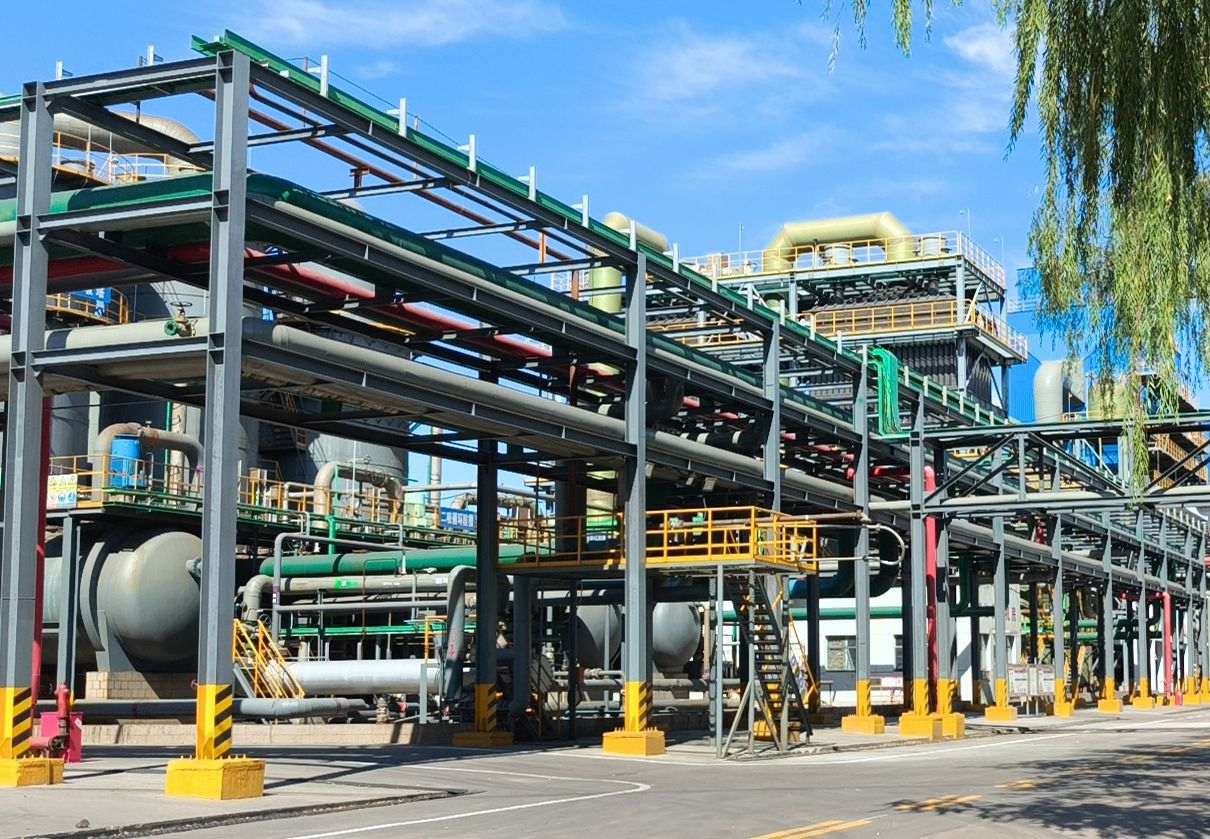
 When buyers search for sulfuric acid production line cost, they usually want a fast number. In real projects, that number moves a lot. A small line for internal acid use and a large sulfuric acid manufacturing plant built for continuous output do not share the same budget logic. Public listing prices can be useful for early screening, but they often cover only part of the scope. A real sulfuric acid plant quotation usually depends on capacity, process route, environmental targets, utilities, and whether the supplier covers design, key equipment, shipping, and installation support.
What Is Included in a Sulfuric Acid Production Line?
Before discussing sulfuric acid plant price, it helps to define the line itself. The sulfuric acid production line is organized into four main sections: sulfur melting, sulfur combustion and conversion, drying and absorption, and final product handling. That structure matches the way industrial buyers usually think about scope during the quotation stage.
Sulfur melting section
In a sulfur-based sulfuric acid plant, solid sulfur is melted, filtered, and stored before combustion. This front-end section looks simple, but it still affects sulfuric acid plant setup cost because it needs heated tanks, pumps, insulated pipelines, and filtration. In generalt, even the molten sulfur filters, pumps, and pipelines are described as steam-jacketed and insulated, which shows why early-stage handling is not a minor add-on.
Sulfur combustion, conversion, and heat recovery
This is where the main process value sits. The sulfur is burned, the gas passes through the converter, and heat is recovered through waste heat equipment, superheaters, and economizers. A sulfur burner, a waste heat boiler, multiple catalyst stages, and heat recovery before gas moves to absorption. In cost terms, this section usually drives a large share of the sulfuric acid plant equipment budget because it combines high temperature duty, reaction control, and steam recovery.
Drying, absorption, and final acid handling
The drying and absorption section is where gas conditioning, SO₃ absorption, acid circulation, cooling, and product transfer come together. Factories typically requires drying, first absorption, and second absorption towers, plus acid coolers, circulation tanks, and sulfuric acid storage tanks. It also notes final product handling at 98% sulfuric acid concentration. For buyers, this is the part that often decides corrosion resistance, pumping layout, and storage scope.
Why Sulfuric Acid Plant Cost Varies So Much
Many buyers first see low online prices and assume a complete sulfuric acid production line can be bought like a standard machine. That is rarely the case. Search results for sulfuric acid plant cost mix together market reports, used plant listings, and marketplace ads. Some numbers refer to single equipment packages, some to used plants, and some to full new-build investment. That is why one figure on its own tells very little.
A better way to read price is to ask one question first: what exactly is being quoted? In chemical plant work, “price” may mean equipment only, core process section, semi-turnkey scope, or turnkey sulfuric acid plant delivery. Those are very different offers.
| Quote type | What it usually covers | What is often left out |
|---|---|---|
| Equipment-only quote | Main reactors, towers, pumps, some auxiliaries | Civil works, piping, installation, commissioning |
| Process section quote | Main production units and selected utilities | Storage, loading, local utilities tie-ins |
| Semi-turnkey quote | Equipment, layout support, some site services | Full EPC, local construction, permit work |
| Turnkey sulfuric acid plant quote | Design, equipment, major auxiliaries, installation guidance, commissioning support | Sometimes local tax, foundation works, owner-supplied items |
The 8 Variables That Affect Sulfuric Acid Production Line Cost
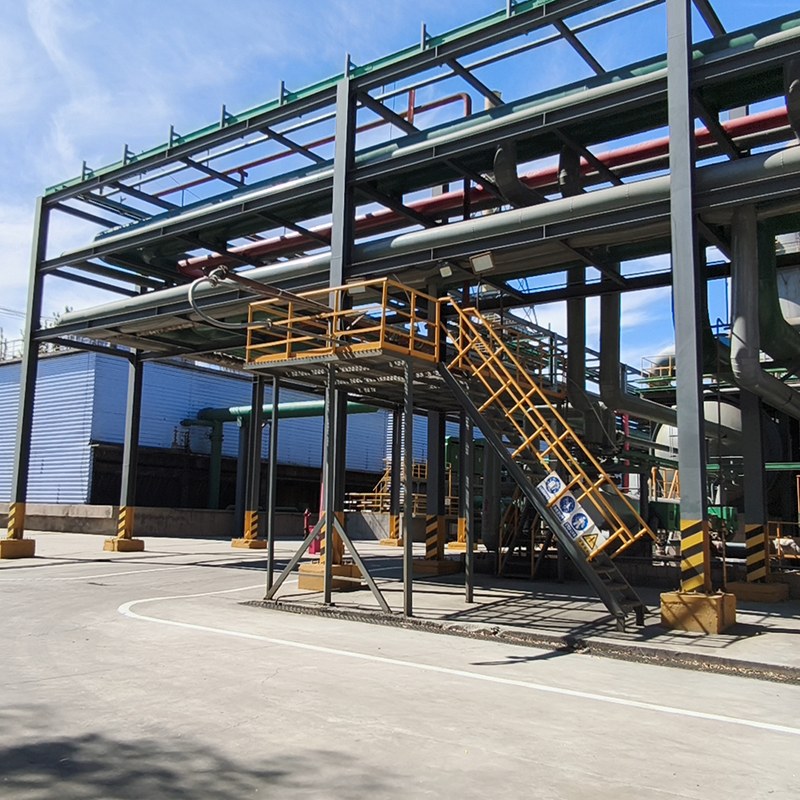
The biggest pricing gaps usually come from a short list of variables. These are the points worth checking before asking for a sulfuric acid plant quotation.
1) Capacity and operating rate
Capacity is the first cost driver. A 50 TPD line, a 300 TPD unit, and a 1,000+ TPD sulfuric acid plant require very different sizes of blower, converter, waste heat boiler, towers, pumps, tanks, and control systems. Capacity also changes utility balance and heat recovery value. Market reports and used-plant references both show that project economics shift sharply with scale, not just with raw tonnage.
2) Raw material route
Not every sulfuric acid plant follows the same feed route. Industry cost reports track sulfuric acid production from sulfur, iron pyrite gases, H2S gases, spent acid, and tail gas. Each route changes pretreatment, gas cleaning, emissions control, and operating risk. A sulfur-based sulfuric acid plant is often simpler in front-end handling than a line built around complex off-gas streams.
3) Process configuration
Contact process sulfuric acid systems can be arranged in different ways. There is a startup mode that can run in single-conversion-single-absorption before shifting to dual-conversion-dual-absorption mode, which is often discussed as DCDA in sulfuric acid plant projects. The selected configuration affects conversion, tower count, heat exchange duty, and controls. It also changes both capital cost and startup behavior.
4) Product acid specification
A sulfuric acid plant producing standard 98% acid is not always designed the same way as a unit targeting tighter concentration or different downstream transfer conditions. It refers to 98% sulfuric acid in the drying and absorption system and 98.5% concentrated acid in the intermediate absorption stage. Those details matter because acid concentration drives cooler duty, circulation design, and materials selection.
5) Environmental control target
Environmental scope can move the quote more than many first-time buyers expect. A startup alkali scrubber after the second absorption tower to remove unconverted SO₂ during startup, and it reports total SO₂ conversion at 99.8% or above for the line shown on the page. In practice, a stricter emissions target usually means more instrumentation, more treatment equipment, and more cost.
6) Waste heat recovery and utilities
A sulfuric acid plant is not only an acid unit. It is also an energy system. A fire-tube waste heat boiler, superheaters, and economizers in the conversion section. Separate cost analyses also show utilities as a material part of plant operating cost, while sulfur or pyrite remains the main OpEx driver. If a project wants deeper heat recovery or better steam integration, the capital budget rises, but the operating picture may improve.
7) Materials of construction
Corrosion is a practical cost issue, not a detail for later. Concentrated acid pipelines use 304 stainless steel with anodic protection, while acid return and product acid lines use acid-resistant cast iron. That kind of material choice has a direct effect on sulfuric acid plant price. It also affects maintenance intervals and shutdown planning after startup.
8) Scope of supply and site services
The last variable is often the one that creates the biggest misunderstanding. Some buyers ask for sulfuric acid plant cost and receive an equipment quote. Others ask for sulfuric acid plant EPC scope and expect full support from technical advice to transportation and installation supervision. Hebei Aoliande Chemical Equipment Co., LTD. can provide technical advice, supply of goods and material, transportation, and installation supervision service. That is a wider scope than equipment supply alone, and pricing should be read accordingly.
A Practical Way to Estimate Sulfuric Acid Plant Setup Cost
At the budgeting stage, buyers usually get better results when they split sulfuric acid plant setup cost into two parts: CapEx and OpEx. That keeps the discussion grounded and makes supplier quotes easier to compare.
| Cost layer | Typical items |
|---|---|
| CapEx | process design, converter, towers, waste heat boiler, pumps, tanks, piping, electrical, instrumentation, installation, commissioning |
| OpEx | sulfur or other feed, power, water, labor, maintenance, catalyst replacement, utilities, environmental treatment |
A fertilizer producer running year-round may focus on stable raw material use and low acid transfer cost. A mining site in a remote area may accept a higher initial investment if local acid supply is unreliable or freight is expensive. That is why sulfuric acid plant investment decisions should not be made from equipment price alone. Cost reports in current search results also separate raw materials, utility cost, machinery, civil works, and other capital items for the same reason.
What Buyers Should Prepare Before Requesting a Sulfuric Acid Plant Quotation
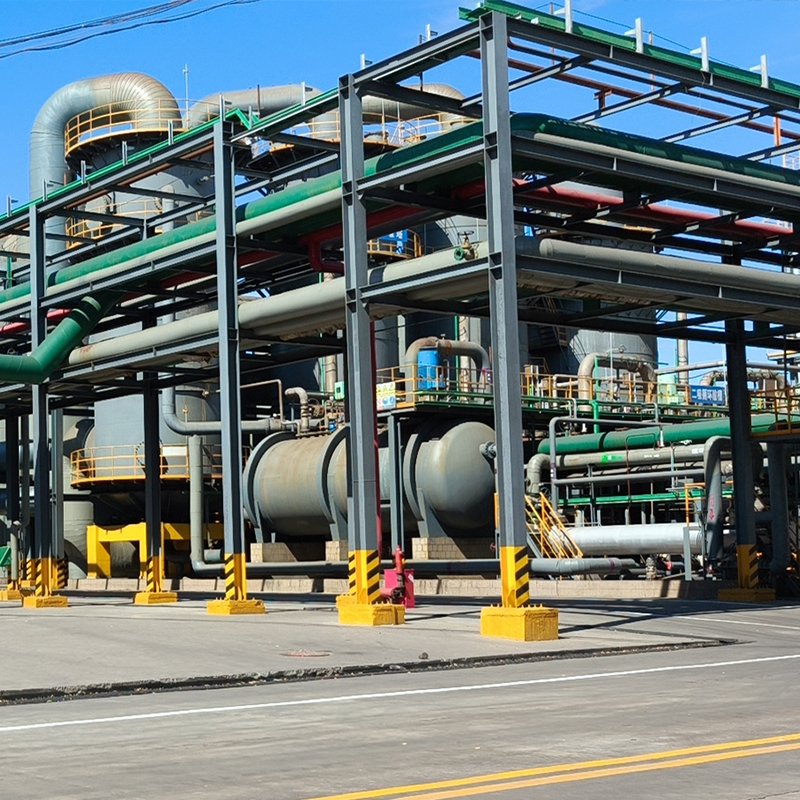
A short inquiry often gets a very rough answer. A complete RFQ gets a more useful sulfuric acid plant quotation. Before sending an inquiry, buyers should prepare:
- target capacity in TPD or annual output
- raw material route
- target acid concentration
- local emission target
- available steam, power, and cooling water conditions
- required automation level
- storage and loading scope
- whether the project needs equipment only, semi-turnkey service, or turnkey sulfuric acid plant support
That one-page brief usually saves days of back-and-forth and leads to a more realistic sulfuric acid production line cost estimate.
About Hebei Aoliande Chemical Equipment Co., LTD.
For buyers comparing sulfuric acid production line suppliers, Hebei Aoliande Chemical Equipment Co., LTD. presents itself as a manufacturer of chemical production lines including sulfuric acid production lines and related equipment. On its website, the company states that it has manufacturing capability as well as design capability in materials, structure, and products, and that it can provide technical advice, supply of goods and material, transportation, and installation supervision service. The company also lists 300+ employees, 10+ R&D engineers, and 10+ QA/QC inspectors. This profile is relevant for buyers who prefer a supplier that can support both equipment fabrication and project-side coordination.
Conclusão
A sulfuric acid production line cost cannot be judged by a single online number. The real price depends on capacity, feed route, process configuration, emissions target, heat recovery, corrosion-resistant materials, and the exact supply scope. For serious projects, the most useful next step is not chasing the lowest sulfuric acid plant price. It is asking for a quote built around actual plant conditions, operating goals, and site limits. That is the difference between a placeholder number and a workable project budget.
FAQ
How much does it cost to build a sulfuric acid production line?
Sulfuric acid production line cost varies widely because quotes may cover equipment only, process sections, or a broader turnkey sulfuric acid plant scope. Capacity, emissions control, and materials of construction usually have the biggest impact.
What affects sulfuric acid plant price the most?
The main price drivers are plant capacity, raw material route, process layout, environmental system, waste heat recovery, corrosion-resistant materials, and the scope of supply. A sulfuric acid plant quotation becomes much more accurate when these items are clearly defined.
What equipment is included in a sulfuric acid production line?
A typical sulfuric acid production line includes sulfur melting equipment, a sulfur combustion furnace, converter, waste heat boiler, drying tower, absorption towers, acid circulation system, acid coolers, storage tanks, and tail gas treatment equipment.
Does a sulfuric acid plant need tail gas treatment?
In most practical projects, yes. Tail gas treatment is important for startup conditions and for meeting emissions targets. An alkali scrubber for startup gas cleanup after the second absorption tower.
What should be included in a sulfuric acid plant quotation request?
A good sulfuric acid plant quotation request should include output target, raw material type, acid concentration, utility conditions, environmental target, automation needs, storage scope, and whether the buyer needs equipment only or a wider turnkey sulfuric acid plant package.