
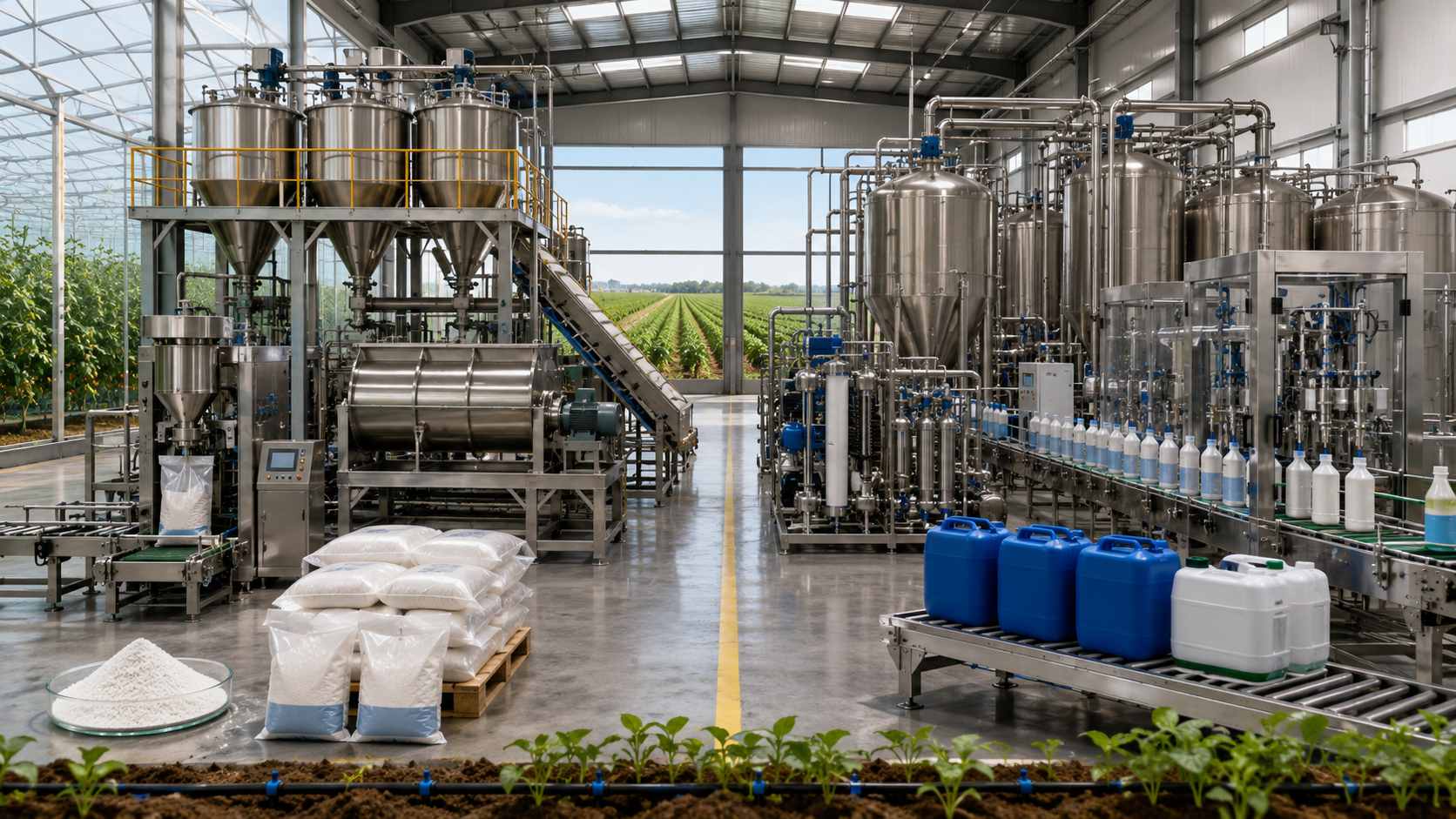
Choosing between a powder water soluble fertilizer production line and a liquid water soluble fertilizer production line is not just a technical choice. It changes the whole business plan: raw materials, packaging, warehouse space, shipping cost, customer type, and after-sales support.
Both forms serve modern farming. Both can be used for drip irrigation, foliar spraying, greenhouse feeding, soilless cultivation, seed soaking, and root dipping. The real question is which form fits the market better. A distributor selling 25 kg bags to farms has different needs from a regional supplier filling liquid fertilizer into drums for greenhouse projects. A new soluble fertilizer plant should start from that difference.
Why Does the Powder or Liquid Choice Matter?
Линия производства водорастворимых удобрений must match the way the product is sold and used. Powder products are usually packed in bags, stored in dry warehouses, and shipped across longer distances. Liquid products are often packed in bottles, drums, or tanks and sold to growers who want ready-to-use nutrition with less preparation on site.
The wrong choice can create daily problems. A powder line built for export may not suit a local market that prefers liquid fertilizer filling. A liquid line may look convenient, but it adds water weight to every shipment. That means higher transport cost, larger storage needs, and more attention to formula stability.
For many investors, powder vs liquid fertilizer production line selection comes down to three points: customer habits, logistics cost, and formula range.
What Is a Powder Water Soluble Fertilizer Production Line?
A powder water soluble fertilizer production line is designed to process dry raw materials into uniform, soluble fertilizer powder or fine particles. The usual process includes raw material feeding, automatic batching, mixing, temporary storage, weighing, filling, sealing, and final bag delivery.
Main Process of Powder Fertilizer Manufacturing
In powder production, raw materials are commonly handled by conveyors, batching bins, weighing systems, mixers, and automatic fertilizer packing machines. A practical line may batch 3 to 10 ingredients according to the formula, then mix them evenly before quantitative packing.
The fertilizer batching and mixing system is the heart of this setup. It controls how much nitrogen, phosphorus, potassium, trace elements, and functional additives enter each batch. When the batching system supports fast feeding and slow feeding, the line can handle both high-volume materials and small-dose ingredients with better accuracy.
A horizontal double ribbon mixer is widely used because water soluble fertilizer often contains materials with different bulk density, flowability, and particle behavior. Some ingredients are easy to absorb moisture. Some are sticky. Some need gentle handling to keep their original properties.
Best Products for Powder Lines
A powder line is suitable for:
- NPK water soluble fertilizer production
- Trace element fertilizer powder
- Foliar fertilizer powder
- Fertigation-grade soluble fertilizer
- Greenhouse and soilless cultivation fertilizer
- Humic acid, amino acid, or functional soluble fertilizer blends
Powder products work well when buyers need flexible formulas. A factory can produce high-nitrogen, high-phosphorus, high-potassium, balanced NPK, or crop-stage formulas on the same fertilizer mixing and packing line.
What Is a Liquid Water Soluble Fertilizer Production Line?
A liquid water soluble fertilizer production line focuses on dissolving, mixing, filtering, storage, and filling. Instead of sending dry material into bags, it turns nutrients into a liquid product that growers can dilute or feed through irrigation equipment.
Main Process of Liquid Fertilizer Manufacturing
The process usually starts with water preparation and raw material dissolution. Materials are added into mixing tanks, stirred until dissolved, filtered to reduce visible residue, then moved to a storage tank before filling. A liquid fertilizer filling line may handle bottles, cans, drums, or larger containers.
The most important control points are concentration, clarity, precipitation risk, pH, and formula stability. A liquid product that separates during storage can damage trust quickly. A product with too much insoluble matter may cause trouble in drip irrigation filters and nozzles.
Best Products for Liquid Lines
Liquid lines are more suitable for ready-to-use or easy-dilution products, such as liquid NPK, liquid trace element fertilizer, foliar fertilizer, rooting fertilizer, fruit swelling fertilizer, and fertigation fertilizer for greenhouses.
They fit markets where growers prefer convenience over lower freight cost. For example, a greenhouse vegetable base may buy liquid fertilizer in drums because workers can connect it to a dosing tank with less handling.
Powder Water Soluble Fertilizer Line Advantages
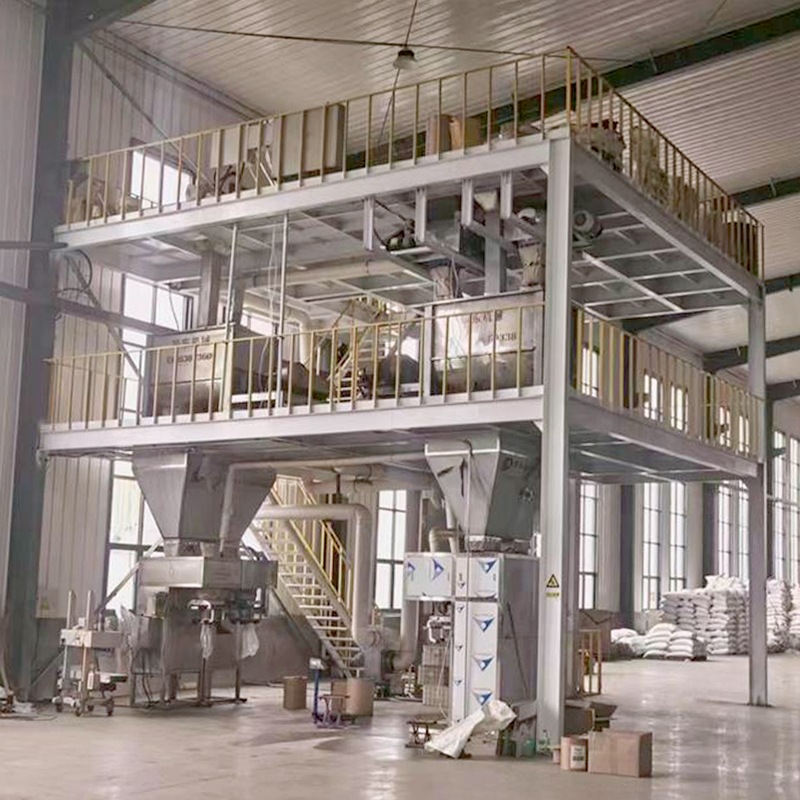
A powder water soluble fertilizer production line is often the more practical starting point for export-oriented fertilizer factories and regional brands that need many formulas.
Lower Shipping Cost
Powder products do not carry extra water. A 25 kg bag mainly contains nutrients and additives, not liquid weight. For cross-border trade, long-distance trucking, or container shipping, this difference matters. Lower freight cost can make the product easier to price in competitive markets.
Flexible Formula Changes
Powder production is friendly to formula variety. A plant can shift from 20-20-20 to 13-40-13, 15-5-30, or trace element blends by changing the batching formula and cleaning the line properly. This matters for fertilizer brands serving different crops, regions, and growth stages.
Better for Bagged Retail and Wholesale
Powder products can be packed in 1 kg, 5 kg, 10 kg, 20 kg, or 25 kg bags. Small packs suit farm stores and e-commerce. Larger bags suit cooperatives, plantations, and greenhouse suppliers. An automatic fertilizer packing machine can handle weighing, bag clamping, filling, sealing, and delivery, which reduces manual labor during high-volume orders.
Easier Warehouse Planning
Dry fertilizer needs moisture control, but it does not require large liquid tanks. A clean, dry warehouse with good pallet management is often enough for finished bags. For countries with hot or humid seasons, fast batching and mixing also helps shorten the time raw materials stay exposed to air.
Liquid Water Soluble Fertilizer Line Advantages
A liquid water soluble fertilizer production line has its own strong market logic. It is not always cheaper to produce or ship, but it can be easier for certain buyers to use.
Convenient for End Users
Liquid fertilizer saves the grower from dissolving powder on site. This is useful for farms with limited labor, small greenhouse teams, and service companies that prepare fertigation programs for clients.
Good Fit for Local Fertigation Markets
For drip irrigation and greenhouse feeding, liquid products can be dosed through tanks and injectors after proper dilution. This makes them attractive for vegetable farms, fruit bases, flower nurseries, and hydroponic projects that need frequent feeding.
Strong Product Differentiation
Liquid products can be sold as crop-specific solutions. A supplier may offer rooting liquid, flowering liquid, fruit expansion liquid, or micronutrient liquid. The label and packaging can also look more retail-friendly than plain fertilizer bags.
Powder and Liquid Lines Compared
The two options serve different business models. The following table gives a simple view for buyers planning commercial water soluble fertilizer equipment.
| Фактор | Powder Line | Liquid Line |
|---|---|---|
| Main process | Feeding, batching, mixing, packing | Dissolving, mixing, filtering, filling |
| Упаковка | Bags, pouches, bulk sacks | Bottles, drums, tanks |
| Shipping cost | Usually lower | Usually higher |
| Formula flexibility | Strong | Medium to strong |
| Storage needs | Dry warehouse | Tanks or liquid storage area |
| Best market | Export, wholesale, distributors | Local farms, greenhouse projects |
| Key equipment | Mixer, batching system, packing machine | Tanks, pumps, filters, filling line |
| Main risk | Moisture absorption, caking | Precipitation, separation, leakage |
Which Line Fits Drip Irrigation, Greenhouse, and Foliar Markets?
Water soluble fertilizer is closely linked with precise crop nutrition. Drip irrigation, foliar spraying, and greenhouse production all need clean, soluble, consistent fertilizer. But each application has a slightly different demand.
Drip Irrigation Fertilizer Market
A fertilizer production line for drip irrigation should focus on solubility and low residue. Powder products can work well when distributors or farms dissolve them correctly. Liquid products are easier for direct dosing, especially when farms run fertigation every day.
For this market, the line should reduce contamination, dust, and uneven mixing. Poor mixing may cause nutrient differences between bags or batches, which can lead to unstable field performance.
Greenhouse and Soilless Farming Market
A fertilizer line for greenhouse farming needs more stable formulas. Greenhouse crops are often fed in smaller but frequent doses. Vegetables, flowers, seedlings, and hydroponic crops react quickly to nutrient mistakes.
Powder products are useful when growers prepare stock solutions. Liquid products are useful when farms want ready dilution and fast handling. In both cases, raw material purity, batching accuracy, and clean packing are important.
Foliar Fertilizer Market
Foliar fertilizer production needs special care because the product is sprayed on leaves. It should dissolve well, leave little residue, and pass through spray nozzles smoothly. Powder foliar fertilizer needs fine mixing and proper packaging to reduce moisture. Liquid foliar fertilizer needs stable suspension or full dissolution, depending on the formula.
What Should Buyers Check Before Investment?
A small water soluble fertilizer plant and a larger factory may use different layouts, but the buying logic is similar. The line should fit capacity, raw material type, formula number, package size, and plant space.
Before choosing equipment, buyers should check:
- How many ingredients are used in each formula?
- Are the raw materials powder, crystal, granule, or liquid?
- Does the market prefer bags, bottles, drums, or bulk orders?
- Will the products be sold locally or exported?
- Is stainless steel needed for material-contact parts?
- Does the line need dust-free feeding?
- How often will formulas change?
- What level of weighing accuracy is needed for trace elements?
For powder lines, corrosion resistant fertilizer equipment is important because many fertilizer raw materials can be abrasive or corrosive. Stainless steel contact parts are easier to clean and more suitable for long-term use. For liquid lines, tank material, sealing, pumps, filters, and filling accuracy should be checked carefully.
How to Choose the Right Water Soluble Fertilizer Production Line?
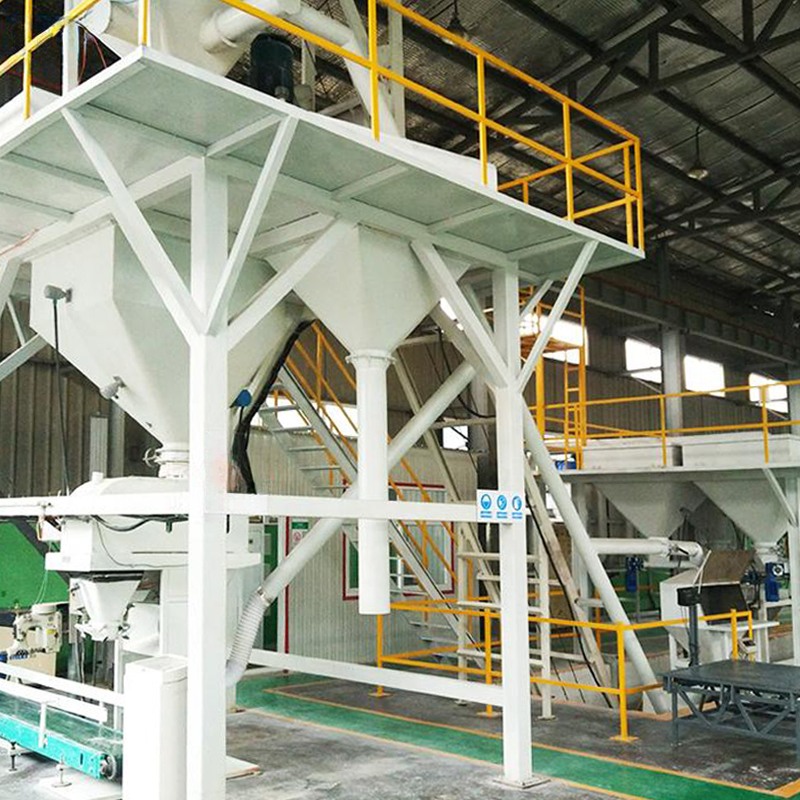 There is no single answer for every market. A powder line is usually better when the business depends on flexible NPK formulas, bagged fertilizer, lower freight cost, and broader distribution. A liquid line is often better when the customer base is local, the product is sold as a convenient fertigation solution, and the market accepts higher shipping weight.
A practical decision can be made with this table:
| Market Situation | Better Choice |
|---|---|
| Export fertilizer business | Powder line |
| Local greenhouse service | Liquid line |
| Many NPK formulas | Powder line |
| Ready-to-use crop nutrition | Liquid line |
| 25 kg bag wholesale | Powder line |
| Drum or bottle sales | Liquid line |
| Lower transport cost needed | Powder line |
| Farm-direct fertigation supply | Liquid line |
Some investors start with a powder water soluble fertilizer production line because it offers a wider entry point. Later, they add dissolving tanks and a liquid fertilizer filling line when local demand grows. This staged plan can reduce early investment pressure while keeping room for new products.
Hebei Aoliande as a Water Soluble Fertilizer Production Line Supplier
Хэбэй Aoliande Chemical Equipment Co., LTD. supplies chemical and fertilizer production equipment, including water soluble fertilizer production line solutions. Its water soluble fertilizer line covers material feeding, batching, mixing, and automatic packing, with equipment configuration adjusted according to raw material type, formula, output, package size, and plant requirements.
For powder fertilizer production, the line can include raw material conveying, static weighing batching, double ribbon mixing, round transfer storage, screw feeding, and automatic quantitative packaging. The batching system is designed for formula accuracy, while the packing system handles measuring, bag clamping, filling, sealing, and conveying. Material-contact components can be made with stainless steel options for corrosion protection and easier cleaning.
For buyers comparing solid and liquid water soluble fertilizer projects, Aoliande’s value is not only equipment supply. The company also provides support around process design, material selection, transportation, and installation supervision. This is useful for investors who need a customized fertilizer production line instead of a standard machine list.
Вывод
Powder and liquid water soluble fertilizer lines both have strong business value, but they serve different markets. Powder production is usually stronger for export, bagged products, flexible formulas, and lower shipping cost. Liquid production is stronger for local fertigation, greenhouse service, ready-to-use products, and crop-specific solutions.
A good water soluble fertilizer production line should not be chosen only by price. It should match the customer group, fertilizer formula, packaging plan, raw material behavior, and long-term sales channel. When the market is clear, the right line becomes easier to choose.
Часто задаваемые вопросы
Is powder or liquid water soluble fertilizer better for export?
Powder water soluble fertilizer is usually better for export because it has lower shipping weight, flexible bag packaging, and easier warehouse handling. A powder water soluble fertilizer production line is often suitable for fertilizer brands, distributors, and bulk buyers.
Can one factory produce both powder and liquid water soluble fertilizer?
Yes. A factory can produce both solid and liquid water soluble fertilizer if the layout includes the right batching, mixing, packing, dissolving, filtering, and filling systems. Many investors start with powder production and add a liquid fertilizer filling line later.
What equipment is used in a powder water soluble fertilizer line?
A typical line uses raw material conveying equipment, an automatic batching system for fertilizer plant operation, a horizontal ribbon mixer, storage hopper, screw feeder, weighing system, and automatic fertilizer packing machine.
Which fertilizer line is better for greenhouse farming?
Both can work. Powder fertilizer is suitable when growers prepare stock solutions themselves. Liquid fertilizer is suitable when greenhouse farms want easier dosing and fast fertigation handling. The better choice depends on labor, packaging, crop type, and local buying habits.
How should buyers choose a water soluble fertilizer equipment supplier?
Buyers should check process design ability, material selection, batching accuracy, mixer structure, packing system, corrosion resistance, installation support, and customization experience. A reliable water soluble fertilizer equipment supplier should match the line to the formula and market, not only quote a machine price.