
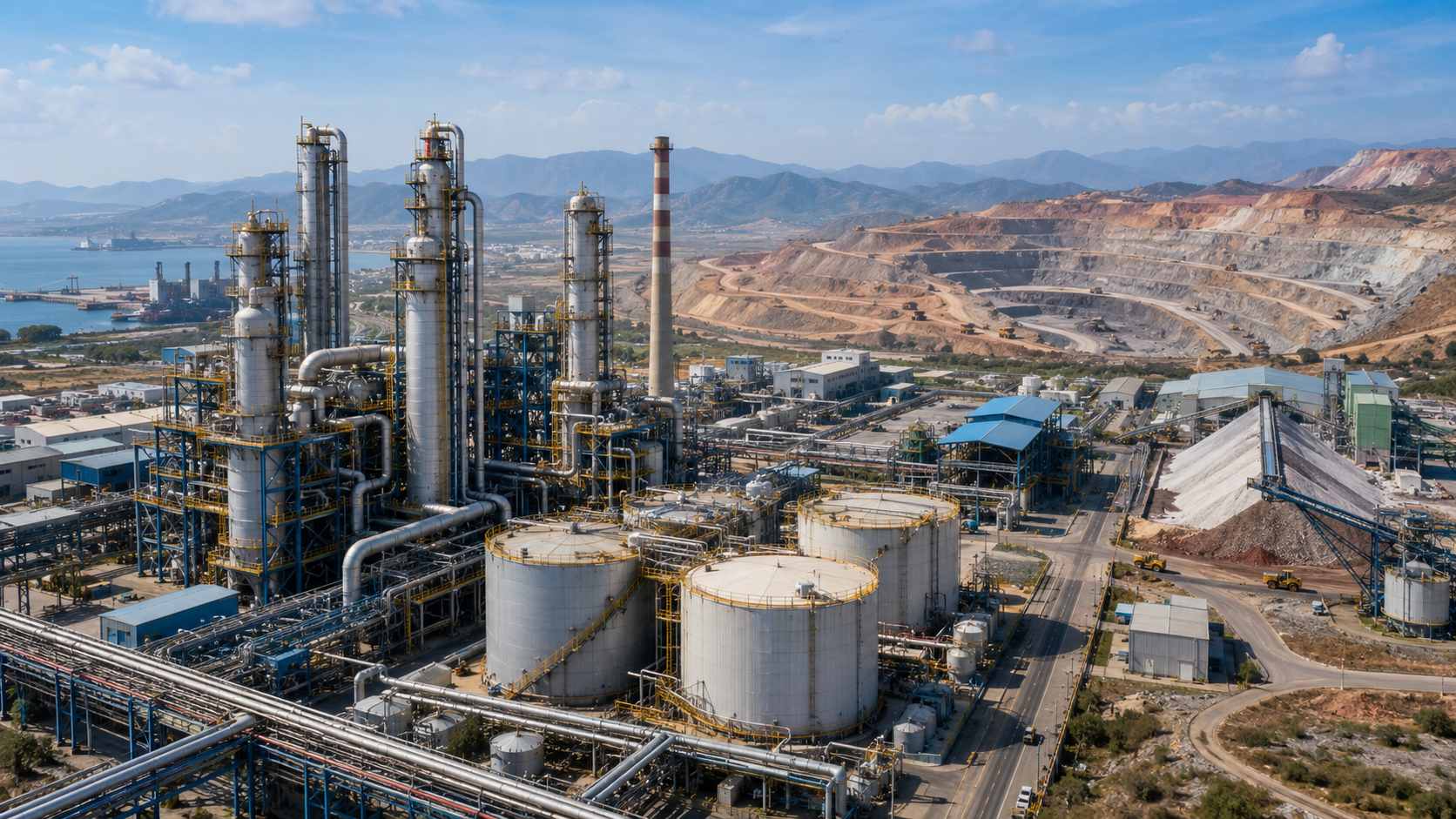
Sulfuric acid is a fundamental ingredient behind a vast array of products used in agriculture, mining and across the full spectrum of the chemicals industry as well as emerging energy supply chains. The market for sulfuric acid has moved in 2026 from being a mature bulk chemical, to becoming a serious supply chain issue, affecting the production of phosphate fertilizers, copper leaching, nickel processing as well as a range of industrial chemicals and battery materials.
There is a shift in demand towards more local acid production, more sulfur burning in sulfuric acid plants using a specific design for heat recovery and tail gas treatment. And then there is also the question of which supplier to choose for the sulfuric acid production line.
Current Status of the Sulfuric Acid Industry in 2026
The sulfuric acid industry today is characterized by steady demand and increasing supply pressure. Due to the characteristics of sulfuric acid as a heavy, aggressive and expensive product for transport, regional balance is important. A buyer near a copper smelter or a fertilizer complex is likely to find itself in a different market than an inland chemical plant.
The majority of sulfuric acid is consumed in the production of fertilizers and other industrial chemicals. The bulk of phosphate fertilizer is made into wet-process phosphoric acid which is used to make DAP, MAP and other compound fertilizers. In the mining and processing of copper, nickel and other metals, sulfuric acid is used for underground mining, leaching, and in hydrometallurgical processes. Further, it is used in the manufacture of titanium dioxide, detergents, dyes, and for water treatment.
In 2026, the buyers are focusing on three very practical points.
- Local access to sulfur, smelter acid, or imported acid
- Stable storage tanks, pumps, towers, and loading systems
- Environmental control, especially SO2 conversion and tail gas treatment
This affects our daily cost. A shutdown of one acid source can quickly affect the production of fertilizer, the leaching in the mine and the ordering of downstream chemicals.
Demand Drivers: Fertilizers, Mining, and Battery Materials
The demand for sulfuric acid is driven by non-changeable industries. Phosphate fertilizer is a highly visible driver in agriculture. A phosphate project involves using sulfuric acid as the main reactant as opposed to an additive.
Another strong demand area for sulfuric acid comes from the mining sector. Leach copper mines require sulfuric acid for ore treatment. Nickel processing for use as materials in batteries is a steady consumer of sulfuric acid. The supply of sulfuric acid to a single mining project can have a significant impact on the local supply chain, as the acid must arrive on time in large quantities.
| Application Area | How Sulfuric Acid Is Used | Buyer Concern in 2026 |
| Phosphate fertilizer industry | Wet-process phosphoric acid, DAP, MAP, NPK feedstock | Stable acid cost and year-round supply |
| Copper mining | Heap leaching and solvent extraction circuits | Delivery reliability and storage safety |
| Nickel processing | Acid leaching and battery material feedstock | High-volume supply and corrosion control |
| Chemical manufacturing | Titanium dioxide, dyes, detergents, water treatment | Product consistency and emission control |
With such a strong demand base, sulfuric acid sits at the nexus of food security, metals, infrastructure development and the new energy economy.
Supply Chain Risks and Price Pressure
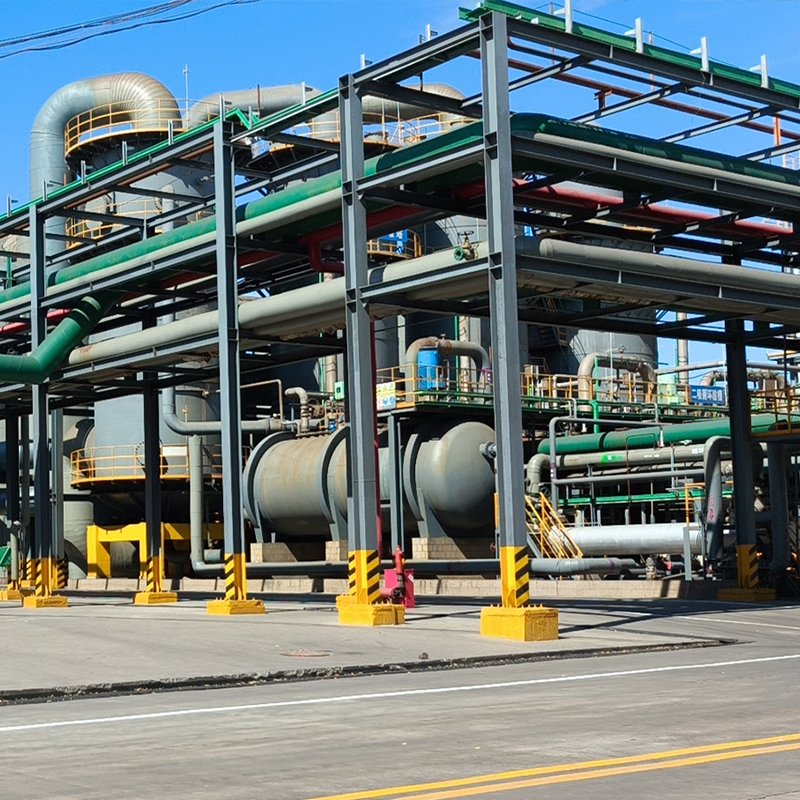
The supply chain of sulfuric acid depends on the availability of sulfur, the level of smelting, fuel, transport and local regulations. A fertilizer factory may have an ample stock of phosphate rock but still be under pressure to increase production if the supply of sulfur or sulfuric acid is scarce. A mining site can have stockpiles of ore ready for leaching but then suffer a decline in production due to late delivery of acid.
A lot of new buyers underestimate the difficulties of transport. Sulfuric acid is transported in special tanks, through pipes that are lined, by people who are expert in handling it and who are loading it carefully. As a rule, transporting sulfuric acid over long distances is very expensive and even more risky. For this reason, production of sulfuric acid on a local or regional level is often more advantageous than importing from very far away.
Building or upgrading a sulfuric acid plant for investors is not just about increasing production capacity. A well-designed sulfuric acid production line also can be used to support a fertilizer plant, a chemical complex or a metallurgical plant. In this case, it allows for better control over the quality of the acid, its storage and its delivery times.
Technology Trends in Sulfuric Acid Production
Modern sulfuric acid production processes are designed to operate reliably, to return maximum amount of heat to the process, to maintain acid concentration and to reduce emissions. The basic flowsheet of a sulfur-to-acid plant includes sulfur melting, sulfur combustion and conversion to sulfate, drying of sulfur bearing gases and absorption in water to form sulfuric acid, and handling of the final product.
Sulfur Melting Section
This section explains the treatment of solid sulfur which first is melted and filtered. Here all possible problems are discussed and also the design of a section in practice to keep the hot liquid sulfur at constant temperature. The filters have to be filtered before they are set in operation for combustion. Design of hot liquid sulfur pipelines in order to prevent damage by cold has to be protected by heating and insulation.
Sulfur Combustion and Conversion
The reaction of liquid sulfur with dried air to produce a SO2 rich gas is followed by its conversion to SO3 in the catalyst layers. The key factor in determining the yield of the acid and the emissions is the SO2 conversion rate. In addition to a high SO2 conversion rate, maintaining a constant temperature in the catalyst bed and ensuring the appropriate heat exchange are also important. The waste heat can also be used to produce steam.
Drying and Absorption Section
This area of the plant deals with the drying of air prior to combustion in the Boilers and the absorption of SO3 in concentrated sulfuric acid to form product acid of approximately 98% concentration. The absorption towers are described together with the necessary features to ensure corrosion resistance, acid circulation, cooling, mist extraction and safe discharge to storage tanks for sulfuric acid.
What Buyers Should Check Before Starting a Project
A sulfuric acid plant is a system project and not a single piece of equipment. So before requesting for a quotation it is better if buyer can prepare and release basic operating data and site conditions.
Key points include:
- Required annual output and acid concentration
- Raw material source, such as sulfur or smelter gas
- Local emission limits and tail gas treatment needs
- Steam balance and waste heat recovery plan
- Storage tank size, loading method, and delivery pattern
- Utility conditions, including water, power, air, and fuel
- Installation space, foundation, and future expansion room
This depends on the type of plant. A fertilizer producer planning to set up a production line using the Mannheim process to produce potassium sulfate will need to be able to handle sulfuric acid and hydrochloric acid. For a mining chemical project the storage volume for the acid and the loading speed are the crucial points.
Future Prospects of the Sulfuric Acid Industry
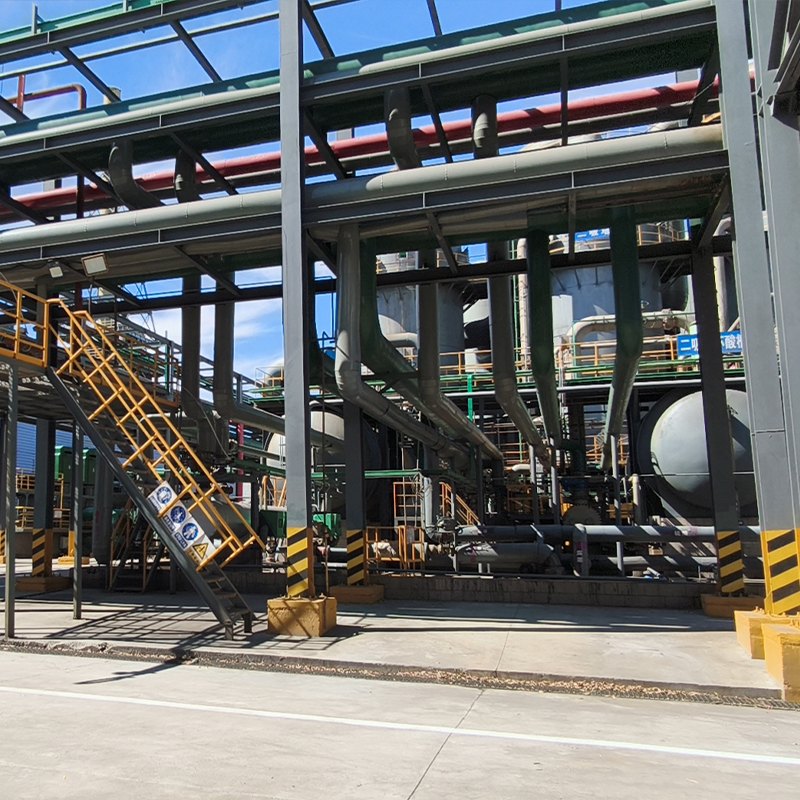
Our projection for future growth of the sulfuric acid market until 2026 is rather optimistic, but not uncomplicated. As long as agriculture, the mining industry and industry as a whole is continuously increasing, demand for sulfuric acid will remain constant. This development, however, will be put into restraint by increased environmental and safety protection requirements for existing production facilities.
More users will prefer local or captive acid capacity, especially phosphate fertilizer plants, copper mining sites, and nickel processing projects far from reliable acid supply. Low energy consumption sulfuric acid plant design will also gain attention. Heat recovery, stable gas conversion, and clean absorption can cut operating pressure over years of production. Buyers will ask for more complete project support, from layout planning to corrosion-resistant material selection, installation guidance, and commissioning help.
Hebei Aoliande Chemical Equipment Co., LTD. as a Sulfuric Acid Production Line Supplier
Hebei Aoliande Chemical Equipment Co., LTD. supplies industrial production equipment for chemical and composite material applications. Its product range covers sulfuric acid production line solutions, Mannheim process potassium/sodium sulfate production lines, calcium chloride production lines, water soluble fertilizer production lines, HPMC production lines, and FRP/GRP production equipment.
Our sulfuric acid process consists of a sequence of steps starting from the melting of sulfur through its combustion and conversion, drying and absorption of SO2, and handling of the end product. A stable production of sulfuric acid is guaranteed by adequate heat exchange, circulation of the acid and adequate control of the tail gas. For customers planning to install a sulfuric acid production line from scratch, this integrated process service is very useful not only during the feasibility study and selection of the necessary equipment but also during the installation and start-up of the plant.
The potassium/sodium sulfate producing equipment offered by Aoliande is closely related to the use of sulfuric acid in fertilizer production. In addition to the production of equipment Aoliande is able to offer material and structural design as well as technical advise, supply, transport and installation supervision to buyers who require a complete solution for their fertilizer production plant. We are therefore also a supplier of sulfuric acid plant equipment.
Conclusion
The sulfuric acid industry in 2026 is shaped by demand that is hard to replace and supply conditions that are harder to predict. Fertilizer plants need acid for phosphate production. Mining projects need it for copper and nickel processing. Chemical factories need it for many everyday products. This wide use keeps the sulfuric acid market outlook active.
When it comes to investors, the best projects will no longer be distinguished by their nameplate capacity alone. Rather, the best projects will be those with optimal access to the necessary raw materials, as well as high SO2 conversion rates, the ability to utilize waste heat, sufficient corrosion protection, efficient tail gas treatment and adequate storage facilities. A well-engineered sulfuric acid production line can turn the supply of acid to the best effect and transform a risk into a major strength for the overall production plant.
FAQs
What is driving sulfuric acid demand in 2026?
Sulfuric acid demand in 2026 will be driven by the need for phosphate fertilizer production, copper leaching, nickel processing, battery materials and other industrial chemicals.
Why do companies build their own sulfuric acid production line?
Most companies today produce their own sulfuric acid in order to better control their supply of acid, product quality, transportation risks, storage hazards and long term cost of ownership.
What sections are included in a sulfur burning sulfuric acid plant?
Sulfur Burning Sulfuric Acid Plant generally consists of the following main sections: Sulfur melting section; Sulfur combustion and conversion section; Drying and absorption section; Acid cooling; Product handling section for final products; Sulfuric acid storage tank systems; and Tail gas treatment equipment.
How can a sulfuric acid plant reduce operating costs?
Sulfuric acid plants can reduce their operating expenses by means of stable filtration of sulfur, high conversion of SO2, efficient recovery of waste heat, secure circulation of acid, adequate insulation and preventive maintenance.
What should buyers ask a sulfuric acid plant equipment supplier?
It is advisable to ask questions related to process flow, annual capacity, acid concentration, corrosion resistant materials, heat recovery from acid and tail gas treatment, degree of automation, installation support, commissioning and spare parts.