
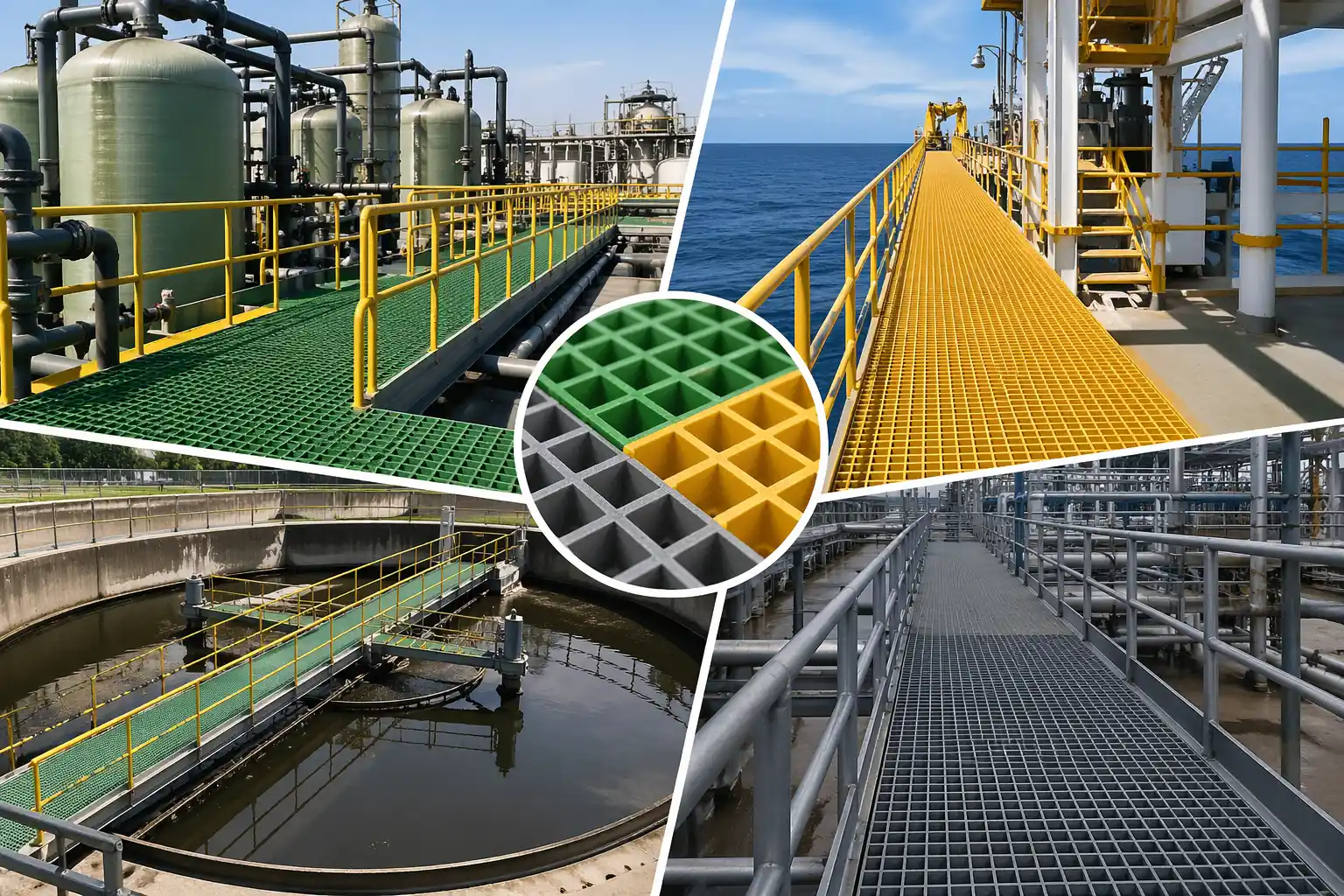
Fiber Reinforced Plastic (FRP) grating serves as a key part in today’s industrial setups. It works well in places with ongoing corrosion and chemical risks. Made from fiberglass and resin, these gratings offer a mix of durability, protection, and long life that older materials often can’t equal. Sectors like chemical handling, sea-based work, and water treatment keep needing materials that fight corrosion. As a result, FRP options have seen broad use. The FRP molded grating machine plays a central role here. It makes sure every grating panel gets built with care, solid build, and steady results for big projects.
What Makes FRP Grating Ideal for Corrosive Industrial Environments?
FRP gratings get designed to handle tough spots where metals often break down from rust or chemical wear.
Material Composition and Structural Benefits
The built-up design of FRP joins strong fiberglass with different resin types. These include polyester, vinyl ester, or phenolic resins. Together, they create great defense against chemicals and water. This mix makes a material that stays light and doesn’t conduct electricity. That boosts worker safety in electric or damp areas. Also, FRP’s built-in UV resistance keeps its strength even after long time outside. It handles heat changes without breaks or bends. This quality lengthens its use in hard industrial spots.
Next, let’s look at how it stacks up against older options.
Comparison with Traditional Metal Gratings
Steel or aluminum gratings rust when they face acids or salt. But FRP stays fine without that oxidation. So, you skip regular painting or coating jobs. Plus, its easy upkeep cuts down on costs over time. This helps sites that run non-stop. The shaped surface of FRP gives good grip too. It prevents slips in wet or greasy spots where metal can turn risky.
How Is FRP Grating Applied in Chemical Processing Plants?
The rise of FRP grating chemical plant setups shows its strong lasting power and fit with harsh chemicals.
Role of FRP Grating in Chemical Plant Infrastructure
Chemical plants use FRP gratings a lot for floor systems, paths, raised areas, steps, and ditch lids. These parts often touch bad liquids or gases directly. Based on the chemical strength, makers pick resin types. For example, vinyl ester suits strong acids. Isophthalic polyester works for milder wear. Even though it’s light, FRP gratings take heavy weights. And they keep their shape over years.
Benefits Over Conventional Materials in Chemical Plants
Moving from metal to FRP cuts down on breaks from corrosion harm. FRP doesn’t need often swaps or new coats. So, upkeep happens less, and stoppages shrink. In the long run, this strength saves money. It also keeps safety rules in check at the site.
Why Is FRP Grating a Preferred Choice in Marine Applications?
With steady salt spray and changing dampness, sea settings test materials hard.
Performance in Saltwater and Offshore Conditions
FRP fights salt water corrosion well. That’s why it fits ship floors, piers, wharfs, sea rigs, and shore builds. It stops not just rust but also growth from sea life like seaweed or shellfish. The rough feel of shaped FRP gives better hold in wet weather. This matters for crew safety on boats or port spots.
Durability and Maintenance Advantages for Marine Operators
For sea workers looking for wastewater grating solutions that work in ocean spots, FRP brings clear gains. Its lower weight makes setup easier on ships or floating builds. Yet it holds strength. Also, since it’s not metal, it skips electric corrosion with other parts like steel links. That’s a usual problem with mixed metals at sea.
Now, shifting from sea work to on-land services shows another strong area for FRP. Wastewater plants run non-stop in wet conditions.
How Does FRP Grating Enhance Wastewater Treatment Facilities?
These widespread applications highlight the need for materials that can reliably perform under constant exposure to moisture, chemicals, and corrosive gases.
Application Areas within Wastewater Plants
Wastewater plants put FRP gratings over settling tanks, air mixers, drain paths, waste holes, and reach platforms. They stand up to hydrogen sulfide gas. That’s a wearing gas made in these spots. So, the material doesn’t break down as time goes. Workers get safe steps even on wet floors. This comes from the grip built into shaped panels.
Operational Advantages in Wastewater Management Systems
FRP skips the rust that metals get. Thus, it cuts risks of dirtying the treatment steps. Its even shaped side cleans easy. It stops piles of plant waste or mud. Even with steady wet or chemical hits, FRP lasts longer before swaps. This lowers running costs and cuts waste from tossing old materials.
What Role Do FRP Molded Grating Machines Play in Production Efficiency?
Good making tools matter a lot for steady high-quality gratings that fit world rules.
Importance of Precision Manufacturing Equipment
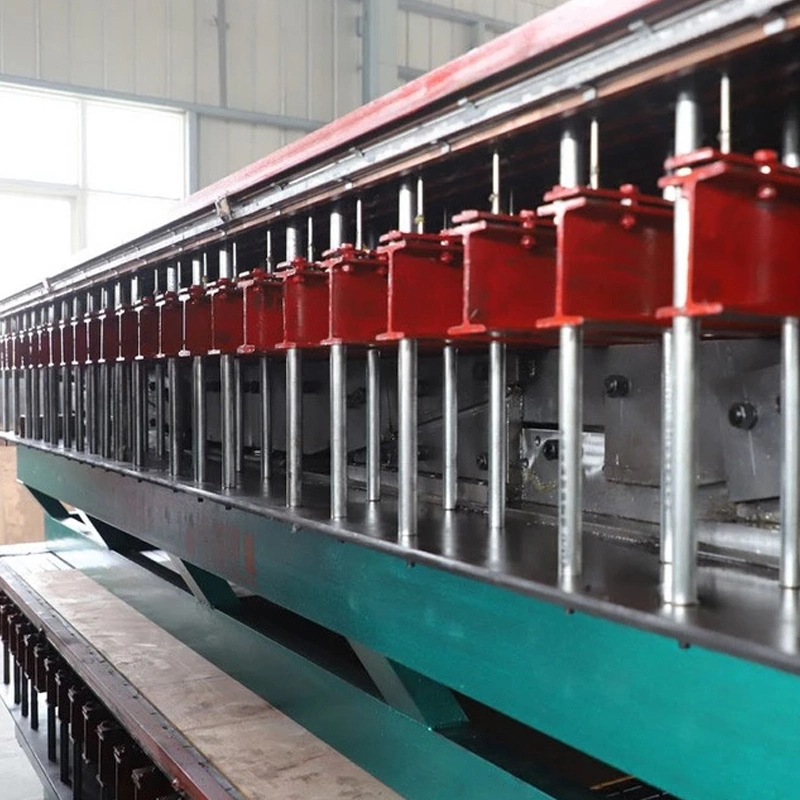
A top frp molded grating machine makes sure fibers go in right places. It also spreads resin evenly in each mold space. This care shapes key traits like pull strength and hit resistance. Those decide how much weight it can hold in work setups. Even heating cuts flaws like empty spots or layers coming apart. That could hurt long use.
Advancements in Automated FRP Grating Production
Machines with auto features have changed how makers create big amounts of work-grade gratings. They keep quality checks tight. New tools add screen watches that control heat levels and resin speeds on their own. This auto setup cuts worker mistakes. It also gives the same outcomes over many runs. That’s key for world jobs with set rules.
Who Is Hebei Aoliande Chemical Equipment Co., LTD.?
Hebei Aoliande Chemical Equipment Co., LTD. shows as a solid maker focused on top FRP molded grating machines for work uses around the world. The firm sticks to exact build methods that keep product quality steady in every make cycle. With a drive for new ideas and great client help, Hebei Aoliande gives tech fixes made just for buyers in chemical sites, sea spots, and water clean systems globally. Their tools aid smooth make flows. They also boost product trust with cutting-edge shaping tech.
Conclusion
FRP gratings prove vital in many fields hit by bad corrosion. Think chemical sites with strong acids, sea rigs facing salt push, and water clean plants with steady wet. Their light but tough build gives better long life than old metal picks. Plus, they make safer work spots with no electric flow and grip sides. With firm partners like Hebei Aoliande Chemical Equipment Co., LTD giving top shaping tools worldwide, fields can count on steady quality makes. These back tech care for today’s build needs.
FAQs
What are the main advantages of using FRP grating over metal alternatives?
FRP gratings fight corrosion well, even with steady chemical or wet hits. They need little upkeep. They stay light but hold strong builds. And their grip sides boost safety at work in many fields.
Can FRP gratings be customized for specific industrial applications?
Yes. Makers can adjust resin kinds, like vinyl ester or polyester. They change panel thicks, net setups, side feels like dips or rough, colors for better sight, and even fire-safe mixes. All based on site work needs.
How does an FRP molded grating machine improve product consistency?
These tools auto key shaping steps. That includes fiber spread control and resin fill. So, they get even strength traits in every panel group. This gives steady power in all units. It cuts changes from hand work ways.