
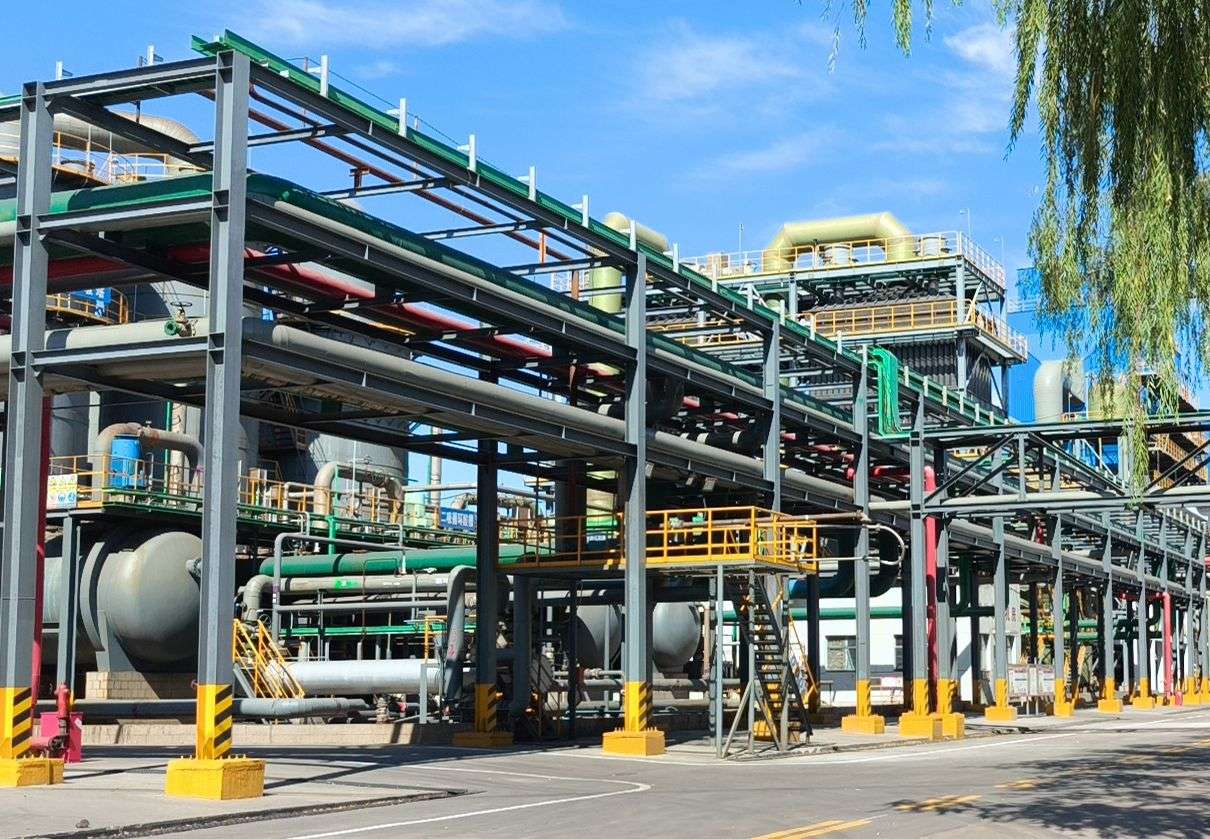
Environmental compliance stands as a key part of modern sulfuric acid production. It makes sure that industrial operations match both regulatory rules and sustainability aims. The sulfuric acid industry ranks as one of the biggest chemical sectors around the world. It deals with tough emissions control demands because of its ability to release sulfur dioxide (SO₂) and acid mist into the air. If there is no compliance, it leads to big fines and work stoppages. It also hurts company reputation and weakens long-term sustainability targets. As global and regional environmental rules change—such as those from the U.S. Environmental Protection Agency (EPA) and the European Union’s Industrial Emissions Directive—makers must use better technologies and good practices. They do this to stay competitive. At the same time, they cut down on environmental harm.
What Are the Key Environmental Regulations Governing Sulfuric Acid Production?
The rules for sulfuric acid production form a detailed and layered setup. They mix international guidelines with national and local orders. These dictate allowed emission levels, waste handling steps, and reporting duties.
Main Regulatory Frameworks and Standards
On the world stage, emission caps for SO₂ and acid mist come from deals like the Basel Convention. Regional setups, such as the EU Industrial Emissions Directive (IED), also set these limits. In the United States, the EPA applies Clean Air Act rules that limit SO₂ releases from chemical plants. Local environmental groups often add more limits on air pollutants, wastewater output, and solid waste removal. They do this to match area-specific ecological needs. Compliance goes past air quality. It includes steps for energy savings, water use management, and treatment of hazardous waste. All these parts build a full environmental management setup in sulfuric acid facilities.
Compliance Documentation and Reporting Obligations
To show they follow sulfuric acid environmental rules, plant managers must get operating permits. These cover emission limits, wastewater release caps, and waste management methods. Plants need to keep ongoing monitoring setups that track emission data right away. They submit environmental checks and monitoring reports on a regular basis. This keeps things open with regulators. Keeping exact emission records helps spot problems early. As a result, it avoids expensive non-compliance issues. Many new plants use digital tools for compliance now. These tools gather data on their own, check readings against rule standards, and send quick warnings if something is off. This setup improves report accuracy. It also cuts down on paperwork loads.
How Can Emissions Be Effectively Controlled in a Sulfuric Acid Plant?
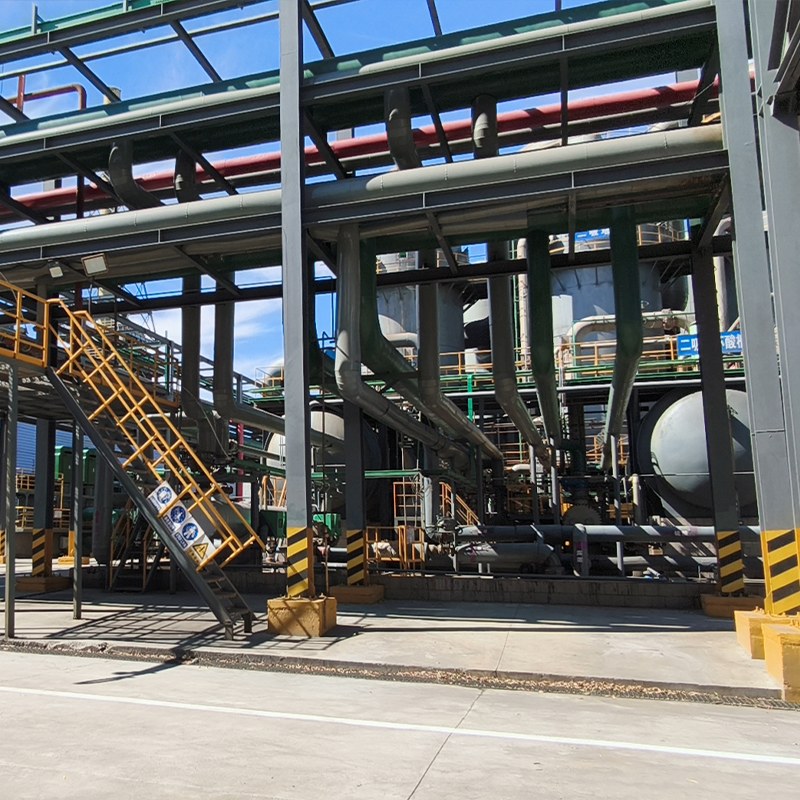 Good emissions control in sulfuric acid making relies on combining strong gas cleaning setups with fine-tuned process settings. This approach cuts pollutant creation at each production step.
Advanced Gas Cleaning Systems
Gas cleaning setups sit at the heart of handling SO₂ emissions before they hit the air. Wet scrubbers cancel out acidic gases with basic liquids. Electrostatic precipitators clear tiny particles by using electric charge methods. Mist eliminators grab acid mists that form during absorption steps. They make sure stack emissions fit tight visibility and health rules. Setups with multiple cleaning stages boost removal rates even more. They link these technologies one after another. Regular upkeep matters a lot. For example, checking nozzles in scrubbers or cleaning electrodes in precipitators keeps performance steady over time.
Process Optimization for Lower Emissions
Process tweaks do more than just end-of-line fixes. They cut emissions right at the start. Operators can change reaction heat levels in converters. This reduces unwanted side products. It also boosts the shift from SO₂ to SO₃. The double contact double absorption (DCDA) process sets the standard in the field. It reaches over 99% conversion of SO₂ into useful gas. This cuts air releases by a large amount. Watching oxygen amounts in burning areas lets operators adjust air-fuel mixes for the best oxidation setup. Thus, it balances work efficiency with environmental rule goals.
Which Technologies Help Ensure Environmental Compliance Without Excessive Costs?
To balance rule-following with cost savings, firms pick technologies that lower emissions and pull back useful energy from process flows.
Energy Recovery and Heat Integration Solutions
Sulfuric acid plants create a lot of heat from reactions between sulfur dioxide and oxygen. These reactions give off heat. Adding waste heat boilers lets plants capture this warmth for steam making or power generation. It cuts down on utility bills. It also lowers greenhouse gas outputs tied to outside power use. Fitting these energy recovery parts into plant plans boosts total efficiency. Plus, it aids sustainability aims by shrinking carbon traces in all work. The money gains include less spending on fuel, better process steadiness, and quicker returns on gear costs. This turns it into a smart money move for updating to meet compliance needs.
Automation and Real-Time Monitoring Systems
Automation now plays a key role in keeping emission control setups running smooth. Modern distributed control systems (DCS) allow steady changes to process factors. They use input from sensors at key spots like converter exits or absorption towers. Real-time data review gives useful tips on environmental work patterns. This lets teams act ahead of time before limits get crossed. Predictive upkeep methods also lengthen gear life. They spot wear signs early. As such, they stop surprise shutdowns or rule breaks that might bring fines or lost output time.
How Can Operational Practices Support Long-Term Compliance?
Technology builds the base for rule strategies. Yet, steady work habits make sure they work well over years. This comes through skilled people and routine care plans.
Staff Training and Environmental Awareness Programs
Workers hold a big part in keeping daily operations rule-ready. Full training plans should include emission control steps, emergency plans, and right use of monitoring tools. Building a work setting focused on environmental care pushes staff to spot weak spots ahead of time. They act before problems turn into rule breaks. Ongoing improvement efforts, backed by regular update classes, strengthen this mindset. It covers everyone from plant workers to top leaders.
Preventive Maintenance and Inspection Protocols
Planned checks act as a main way to stop system wear that might cause rule issues. Leak find programs aim at pipes with SO₂-heavy gases. They catch escapes early to avoid big losses or safety risks. Calibration steps for testers keep measure correctness in rule bounds. These often happen every three months or twice a year, based on local rules. Sticking to these upkeep plans protects both work dependability and legal fit at the same time.
Why Is Partnering with a Reliable Equipment Supplier Essential?
Working with skilled suppliers makes sure engineering plans fit current rules well. It also looks ahead to stricter future standards with flexible tech.
The Value of Engineering Support in Compliance Strategy Development
A solid equipment supplier brings know-how across project steps. This goes from idea planning to startup checks. They ensure all parts hit set emission limits without hurting output goals. Their engineering groups help pick materials that resist acid gas wear. They also fine-tune setups for smooth gas flow in converters or absorbers. This team-based method mixes performance gains with rule planning. It gives lasting fixes made just for each plant’s work setup.
Hebei Aoliande Chemical Equipment Co., LTD.: A Trusted Partner in Sulfuric Acid Production Lines
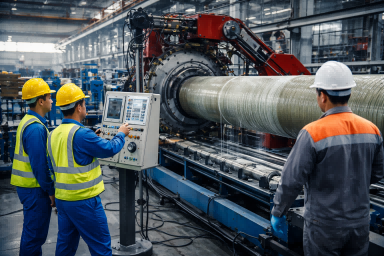
Hebei Aoliande Chemische Ausrüstung Co., LTD focuses on creating advanced sulfuric acid production lines. These lines work with high output and environmental care. Hebei Aoliande Chemical Equipment Co., LTD leads in advanced sulfuric acid production line design and building. The firm has built a strong history in providing rule-following systems to many industries around the globe. Its dedication goes past just supplying gear. It offers full support through all stages, like study of project viability, watch over setup, worker training, and tweaks after launch. The firm stresses low-emission tech that fits world sustainability aims. By adding low-emission plans such as DCDA converters with good heat recovery parts, Hebei Aoliande aids clients in hitting tight emission goals. At the same time, it cuts total costs over time. Full technical aid runs from project start to running phase. This sets them as a reliable teammate for firms chasing steady growth under stricter world rules.
Schlussfolgerung
Filling sulfuric acid environmental rules in a smart way calls for a planned mix of strong tech use, careful work habits, steady staff growth, and ties with expert suppliers like Hebei Aoliande Chemical Equipment Co., LTD. Putting in linked emissions control setups next to energy recovery fixes can sharply cut running costs. It also guards rule strength across all process parts. This spans from raw material change to final product care. In turn, it ensures lasting edge in a more regulated world market.
Häufig gestellte Fragen
What are the main pollutants regulated in sulfuric acid production?
Sulfur dioxide (SO₂), acid mist, particulate matter, and wastewater contaminants are the primary pollutants subject to regulation in sulfuric acid production lines.
How often should emissions monitoring equipment be calibrated?
Calibration frequency depends on local regulatory requirements but typically ranges from quarterly to biannual intervals to ensure measurement accuracy.
Can older sulfuric acid plants be upgraded to meet modern environmental standards?
Yes, retrofitting with updated gas cleaning systems, automation controls, and energy recovery units can bring older facilities into compliance with current regulations while improving efficiency.