
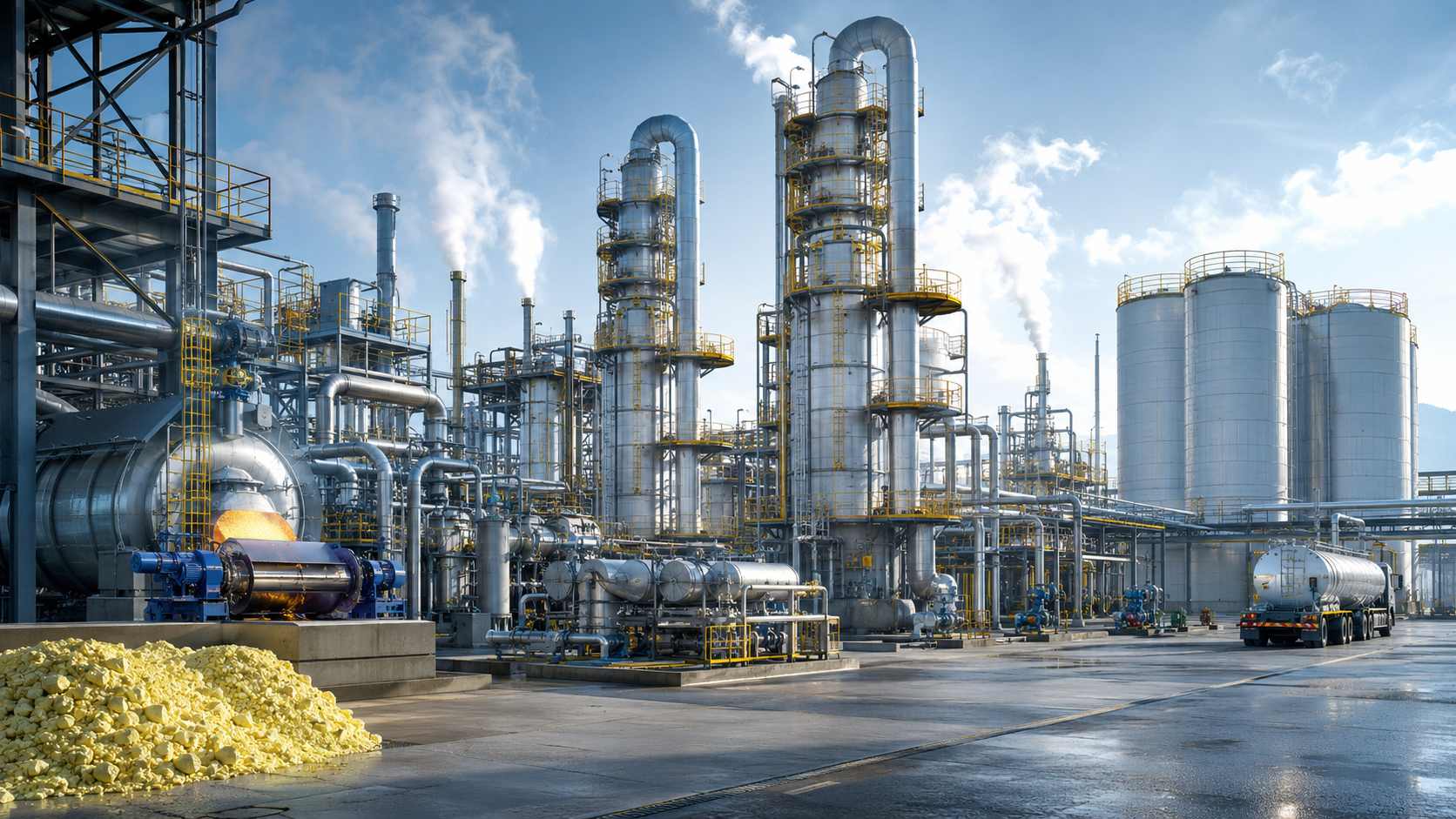
A sulfuric acid production line is not a single machine. It is a continuous chemical plant built around sulfur melting, sulfur combustion, SO₂ conversion, drying, absorption, acid cooling, product acid storage, tail gas handling, utility systems, and automatic control. For project owners, EPC contractors, fertilizer producers, and chemical plant investors, a clear sulfuric acid plant equipment list helps turn a rough project idea into a workable technical plan.
The equipment configuration affects plant capacity, acid concentration, heat recovery, corrosion resistance, emission control, operating cost, and maintenance workload. A missing pump, poorly selected acid pipeline, undersized cooler, or weak tail gas arrangement can cause production interruptions later. A complete sulfuric acid production line should therefore be reviewed section by section, from raw sulfur feeding to final 98% sulfuric acid storage.
Why the Equipment List Matters Before Purchasing a Sulfuric Acid Plant
Before ordering sulfuric acid production equipment, buyers usually need answers to practical questions. What raw material will be used? What annual output is required? Is steam recovery important? How much storage capacity is needed? Will the plant supply acid to a potassium sulfate line, a fertilizer facility, a metallurgy project, or another chemical process?
A clear equipment list also helps compare quotations. Two suppliers may both offer a sulfuric acid production line, but the scope can be very different. One proposal may include acid coolers, control cabinets, tail gas treatment, steam condensate recovery, and installation supervision. Another may only include the main reaction equipment. The difference becomes visible only when each section is listed in detail.
For industrial buyers, the main goal is not simply to buy equipment. The goal is to build a sulfuric acid manufacturing plant that can run safely, maintain stable acid concentration, recover useful heat, and keep maintenance predictable.
Main Sections of a Sulfuric Acid Production Line
A sulfur-to-acid system can be divided into four main process sections. Each section has its own operating conditions, material requirements, and equipment risks.
| Process section | Main function | Key equipment |
|---|---|---|
| Sulfur melting section | Melt, filter, and store molten sulfur | Melting tank, filter, sulfur pump, steam-jacketed pipeline |
| Sulfur combustion and conversion section | Burn sulfur and convert SO₂ to SO₃ | Sulfur furnace, air blower, waste heat boiler, converter |
| Drying and absorption section | Dry air and absorb SO₃ into sulfuric acid | Drying tower, absorption towers, acid circulation tank |
| Final product section | Cool, measure, store, and transfer product acid | Product acid cooler, storage tank, loading pump |
This structure is useful for planning because it follows the actual plant flow. Solid sulfur enters the sulfur melting section. Molten sulfur is burned with dry air. The hot gas passes through heat recovery and catalyst conversion. SO₃ is absorbed in concentrated sulfuric acid. The finished product is cooled and sent to sulfuric acid storage tanks.
Sulfur Melting Equipment
The sulfur melting section prepares clean molten sulfur for stable combustion. In many plants, solid sulfur is transported by belt conveyor into a rapid sulfur melting tank. The molten sulfur then flows into a filtration system, where impurities are removed before the sulfur enters refined sulfur storage.
Main Equipment in the Sulfur Melting Section
The common sulfur melting equipment list includes:
- Belt conveyor for feeding solid sulfur
- Rapid sulfur melting tank
- Combined filtration tank
- Pre-coating tank
- Agitator
- Pre-coating pump
- Molten sulfur filter
- Molten sulfur pump
- Refined sulfur storage tank
- Underground refined sulfur tank
- Steam heating coils
- Steam-jacketed sulfur pipelines
- Steam-jacketed valves and fittings
- Condensate recovery tank
This section looks simple, but it is often where early operating trouble begins. Sulfur solidifies when the temperature drops too low. That is why molten sulfur tanks, pumps, pipelines, valves, and fittings need steam heating or insulation. A common operating range for molten sulfur storage is around 135°C to 145°C. At this range, sulfur stays fluid enough for pumping while avoiding unnecessary overheating.
Filtration is also important. Poorly filtered sulfur can carry ash, dirt, or other solids into downstream equipment. Over time, this may affect the sulfur gun, furnace operation, and overall combustion stability.
Sulfur Combustion and SO₂ Conversion Equipment
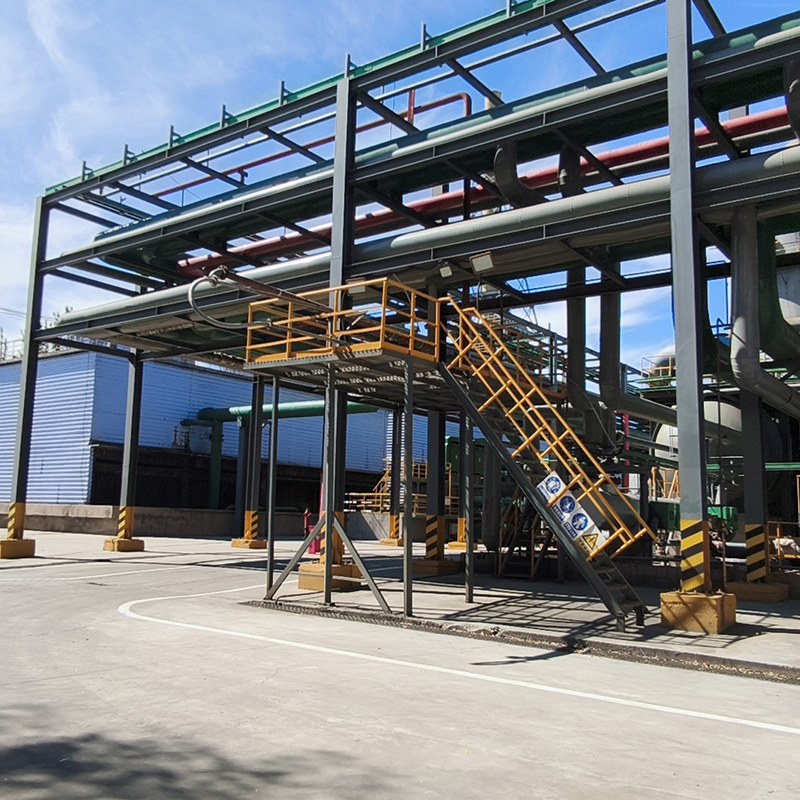
After filtration and storage, molten sulfur is pressurized by a refined sulfur pump and sprayed into the sulfur combustion furnace through a sulfur gun. Dry air enters the same furnace, allowing sulfur to burn and produce SO₂-rich gas.
Sulfur Furnace and Air Supply System
The sulfur combustion system normally includes:
- Refined sulfur pump
- Sulfur gun
- Air filter
- Air blower
- Dry air pipeline
- Sulfur combustion furnace
- Furnace gas duct
- Startup blower
- Heating pipelines
The air supply system has two jobs. First, it must provide enough oxygen for sulfur combustion. Second, the air must be dry. Moisture in process air can disturb acid concentration, raise corrosion risk, and affect downstream catalyst conditions. In a well-designed sulfuric acid plant, air is filtered and dried before entering the sulfur combustion furnace.
Waste Heat Boiler and Steam Recovery
Sulfur combustion produces very hot gas. A waste heat boiler is installed after the sulfur combustion furnace to cool the furnace gas before conversion. At the same time, it recovers heat and produces steam for plant use.
This equipment is important because heat recovery can change the economics of a sulfuric acid production line. A plant that uses waste heat well can lower energy waste and support nearby process units. In many chemical projects, recovered steam can be used for heating, melting, drying, or other plant utilities.
Converter, Catalyst Beds, and Heat Exchangers
The conversion section changes SO₂ into SO₃ through a catalytic reaction. A typical system includes:
- Gas converter
- Catalyst beds
- High-temperature superheater
- Low-temperature superheater
- Gas-to-gas heat exchangers
- Economizer
- Bypass pipelines
- Temperature control valves
The converter is the heart of the sulfuric acid plant process equipment. Gas temperature must be controlled carefully before each catalyst layer. If the temperature is too low, reaction efficiency drops. If it is too high, catalyst life and equipment reliability may suffer. Bypass lines and heat exchangers help keep gas temperature within the required range.
For plants using double conversion and double absorption, the gas passes through several catalyst stages and an intermediate absorption step before final conversion. This setup supports high SO₂ conversion and better environmental performance.
Drying and Absorption Equipment
The drying and absorption section links the gas system with the acid circulation system. It removes moisture from air and absorbs SO₃ to produce sulfuric acid.
Drying Tower
The drying tower uses concentrated sulfuric acid to remove moisture from incoming air. Before entering the tower, air usually passes through an air filter to remove dust. Inside the tower, acid flows over packing while air passes through. The dried air then goes to the sulfur combustion furnace.
Dry air matters because moisture can create unstable acid conditions and increase corrosion. For plant operators, the drying tower is not only a tower; it is a protection point for the full system.
Absorption Towers
The absorption system commonly includes a first absorption tower and a second absorption tower. In a double absorption sulfuric acid plant, SO₃ is absorbed in concentrated acid after part of the conversion process, and again after final conversion.
Key absorption equipment includes:
- First absorption tower
- Second absorption tower
- Intermediate absorption tower
- Final absorption tower
- Tower packing
- Acid distributor
- Demister
- Acid return pipeline
Tower packing provides contact area between gas and circulating acid. The acid distributor spreads acid evenly. The demister helps remove acid mist from the gas stream. These small details have a large effect on absorption quality, acid mist control, and tower pressure drop.
Acid Circulation System
The acid circulation system usually follows this route:
| Circulation step | Equipment involved | Purpose |
|---|---|---|
| Acid collection | Concentrated acid circulation tank | Receives acid from drying and absorption towers |
| Acid transfer | Acid circulation pump | Sends acid back to the tower system |
| Temperature control | Acid cooler | Removes heat from circulating acid |
| Acid distribution | Tower distributor | Spreads acid across tower packing |
The acid circulation tank, pumps, and coolers keep acid concentration and temperature within the required range. Without stable circulation, the drying tower and absorption towers cannot work properly.
Final Product Cooling, Storage, and Loading Equipment
After absorption, excess 98% sulfuric acid becomes final product acid. Before storage, the acid is cooled by a product acid cooler and measured by a flow meter. It is then transferred to sulfuric acid storage tanks or loading tanks.
Main final product equipment includes:
- Product acid cooler
- Electronic flow meter
- Sulfuric acid storage tank
- Acid supply pump
- Product acid pipeline
- Acid loading tank
- Loading pump
- Loading arm or loading pipeline
- Tank level gauge
- Acid drainage system
Storage design should match production capacity and shipment rhythm. For example, a plant that supplies acid to a nearby process unit may need steady transfer more than large truck-loading capacity. A plant selling commercial acid may need larger storage volume, reliable loading pumps, and safe loading arrangements.
The final product section should not be treated as an afterthought. Hot acid, poor level control, weak drainage, or unsuitable pipeline material can create serious maintenance and safety problems.
Piping, Valves, and Corrosion Protection
Sulfuric acid production lines handle molten sulfur, hot gas, concentrated acid, steam, condensate, cooling water, and tail gas. Each service needs the right material.
For molten sulfur, pipelines and valves are usually steam-jacketed and insulated to prevent solidification. For concentrated sulfuric acid, corrosion resistance is the main concern. Acid pipelines, acid return lines, product acid lines, and discharge lines must be selected for acid concentration, temperature, flow rate, and plant layout.
Common corrosion-related components include:
- Concentrated acid pipeline
- Acid return pipeline
- Product acid pipeline
- Acid discharge pipeline
- Corrosion-resistant valves
- Expansion joints
- Pipeline supports
- Insulation materials
- Emergency drainage system
Good corrosion protection reduces leakage risk and unplanned shutdowns. It also helps plant teams control maintenance costs over the life of the sulfuric acid production equipment.
Tail Gas, Startup, and Environmental Protection Equipment
Tail gas treatment equipment is needed to handle residual SO₂ and acid mist, especially during startup. Even when the main process is designed for high conversion, startup conditions are different from normal steady operation.
A practical tail gas and environmental protection equipment list may include:
- Tail gas stack
- Startup alkali scrubber
- Demister
- SO₂ monitoring system
- Acid mist control system
- Gas sampling system
- Exhaust duct
- Emergency venting system
An alkali scrubber after the absorption section can remove unconverted SO₂ during startup. Gas sampling and monitoring help operators check whether the plant is running within the required condition. For projects in chemical parks or industrial zones, these systems are often reviewed closely during technical approval.
Utility and Auxiliary Equipment
A complete sulfuric acid plant also needs utility and auxiliary systems. These systems may not appear in the main process description, but they affect daily operation.
Common auxiliary equipment includes:
- Boiler feed water system
- Deaerator
- Steam condensate recovery tank
- Cooling water system
- Instrument air system
- Power distribution cabinet
- Control cabinet
- PLC or DCS control system
- Temperature sensors
- Pressure transmitters
- Flow meters
- Acid concentration analyzer
- Emergency shutdown system
- Maintenance platform
Instrumentation is especially important. Operators need real-time readings for temperature, pressure, flow rate, acid concentration, tank level, and gas condition. A sulfuric acid production line with poor instruments may still run, but troubleshooting becomes slow and risky.
How to Choose the Right Equipment Configuration
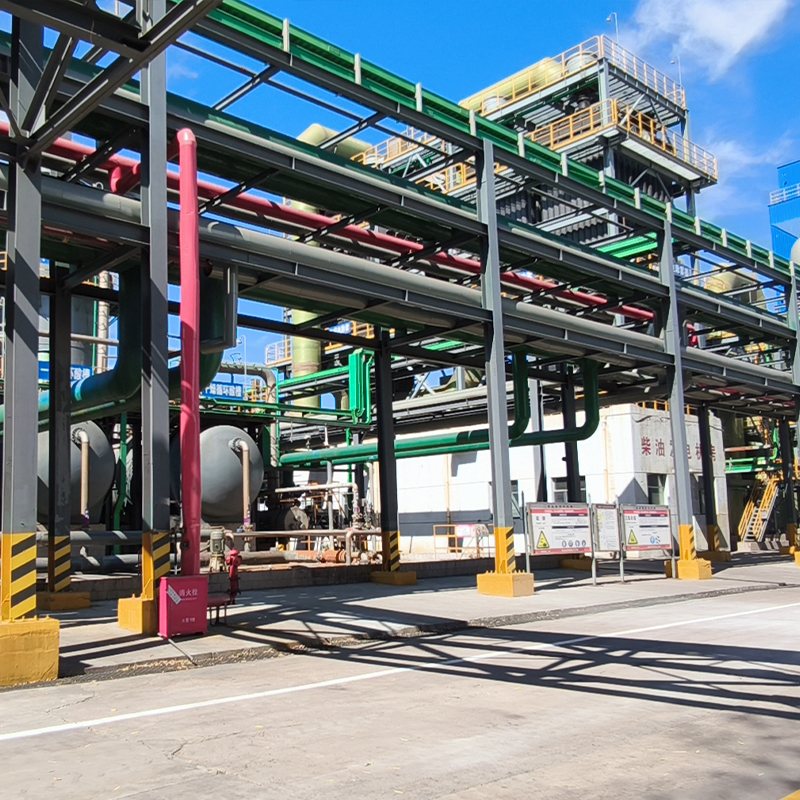
No single equipment list fits every sulfuric acid manufacturing plant. A fertilizer plant, metallurgy project, and chemical intermediate plant may all need sulfuric acid, but their layouts, steam use, storage needs, and emission limits can be very different.
Before selecting sulfuric acid production equipment, buyers should prepare these details:
- Target annual capacity
- Raw sulfur quality and supply method
- Required sulfuric acid concentration
- Local emission requirements
- Available steam and cooling water
- Site layout and installation space
- Storage and loading method
- Automation level
- Corrosion protection requirement
- Installation and commissioning support
The more complete the early data, the more accurate the equipment configuration will be. This also helps reduce later changes during engineering, manufacturing, shipment, and installation.
Hebei Aoliande as a Sulfuric Acid Production Line Supplier
Hebei Aoliande Chemical Equipment Co., LTD. supplies industrial production line equipment for chemical and composite material sectors. Its product range covers sulfuric acid production lines, potassium or sodium sulfate production lines, calcium chloride production lines, water-soluble fertilizer production lines, HPMC production lines, and FRP-related equipment.
For sulfuric acid projects, the company’s value comes from both manufacturing and technical design support. The equipment scope covers the main process sections from sulfur melting and combustion to conversion, drying, absorption, cooling, storage, and auxiliary systems. This is useful for buyers who need a coordinated plant layout instead of separate machines from multiple sources.
The company also works around material selection, equipment structure, supply of goods and materials, transportation, and installation supervision. For overseas buyers, this type of support can reduce communication gaps between purchasing, engineering, installation, and commissioning teams.
Conclusion
A complete sulfuric acid production line includes much more than a sulfur furnace and absorption tower. The full system starts with sulfur melting and filtration, then moves through sulfur combustion, waste heat recovery, SO₂ conversion, drying, absorption, product acid cooling, sulfuric acid storage, tail gas handling, utilities, and automatic control.
For buyers, a detailed sulfuric acid plant equipment list is the base for budgeting, technical comparison, layout planning, and supplier selection. The best configuration should match plant capacity, raw material quality, acid concentration, corrosion conditions, heat recovery targets, and local emission needs. A well-planned equipment scope helps the plant run more smoothly from startup to long-term operation.
Questions fréquentes
What equipment is needed for a sulfuric acid production line?
A sulfuric acid production line normally needs sulfur melting equipment, molten sulfur filtration equipment, sulfur pumps, a sulfur combustion furnace, air blower, waste heat boiler, gas converter, catalyst beds, drying tower, absorption towers, acid circulation tank, acid coolers, sulfuric acid storage tanks, tail gas treatment equipment, and automatic control systems.
What is the most important equipment in a sulfuric acid plant?
The most important equipment includes the sulfur combustion furnace, waste heat boiler, SO₂ converter, drying tower, absorption towers, and acid circulation system. These units work together. If one section is poorly designed, the full sulfuric acid plant may face unstable production, higher energy loss, or more frequent maintenance.
Why is a waste heat boiler used in sulfuric acid production?
A waste heat boiler cools the hot furnace gas after sulfur combustion and recovers heat to generate steam. This helps control gas temperature before conversion and makes better use of the heat created during sulfur burning.
How is product sulfuric acid stored after production?
Product acid is usually cooled by a product acid cooler, measured by a flow meter, and transferred to sulfuric acid storage tanks or loading tanks. Storage capacity should match production output, shipping frequency, and downstream acid consumption.
How do buyers choose a sulfuric acid production line supplier?
Buyers should check the supplier’s process design ability, equipment manufacturing scope, material selection, corrosion protection plan, installation supervision, commissioning support, and experience with complete chemical production lines. A suitable supplier should provide a clear equipment list and match the configuration to the buyer’s capacity and site conditions.