
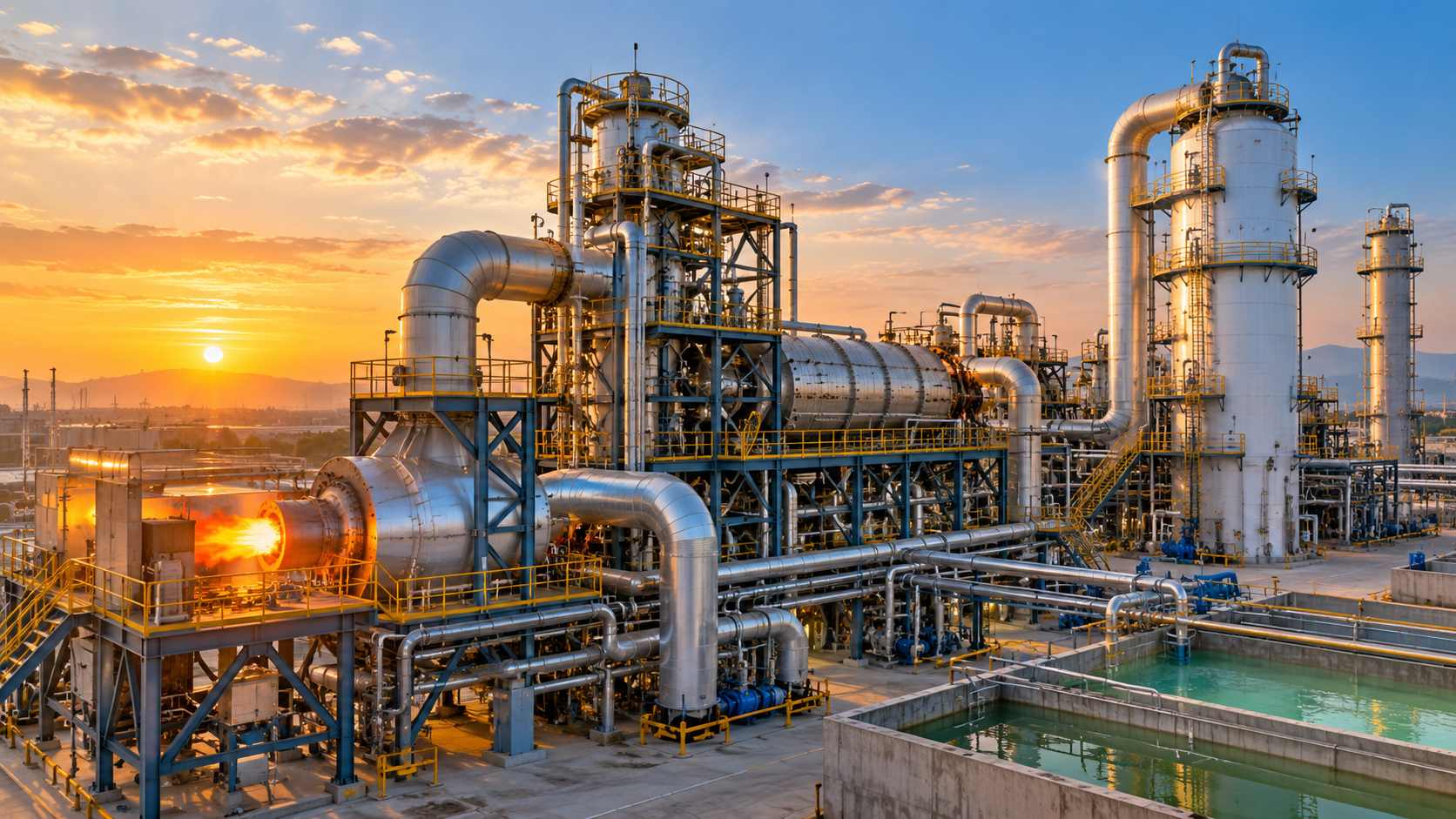
This section gives the operating logic before the detailed sequence. The transition should be managed by the approved plant procedure and the responsible shift team.
A reliable sulfuric acid plant startup moves from dry inspection to controlled heating, acid circulation, air drying, sulfur ignition, converter activation, and gradual load increase. A planned shutdown reverses that logic: stabilize acid strength, stop sulfur feed, purge reactive gas with dry air, protect catalyst and towers from moisture, then isolate equipment only after temperatures and inventories are safe.
Why the Sequence Matters
Startup and shutdown are transient operating states, not short versions of normal production. The converter catalyst, heat exchangers, drying tower, absorption towers, acid pumps, and gas paths respond at different speeds. Opening a downstream path too early can send wet air into a hot catalyst bed. Stopping acid circulation too soon can leave hot surfaces exposed to corrosive gas or create poor heat removal.
The sequence should be written around plant-specific interlocks and the operating manual. A general plan still helps the team check whether the logic is complete, whether responsibilities are clear, and whether the plant has the utilities needed for a controlled transition.
Prerequisites Before Any Transition
The shift team should close out mechanical, process, instrument, and safety checks before touching the start or stop command. A practical pre-job review covers:
- Current catalyst-bed temperatures, acid strength, pump status, tower levels, and blower availability.
- Dry instrument air, electrical supply, cooling water, steam or heating fuel, and emergency power.
- Valve line-up, damper position, expansion joints, drains, vents, sampling points, and relief paths.
- Communication between the control room, field operators, maintenance, laboratory, and emergency response team.
- A written hold point for abnormal pressure drop, unexpected temperature rise, acid leakage, or loss of draft.
The sulfuric acid production line should have one approved checklist for each transition. A generic checklist can identify omissions, but it should never replace the approved operating procedure or the plant risk assessment.
The sulfuric acid equipment layout should be reviewed with the transition checklist so operators can match each valve, damper, pump, and analyzer to a physical location before the first heat-up.
Startup Sequence
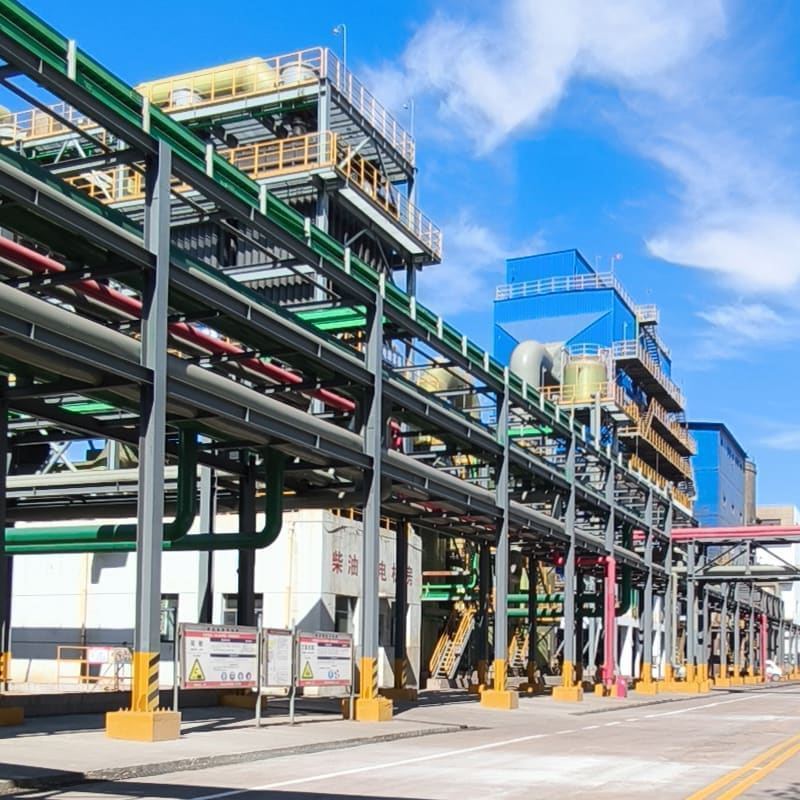
The following steps describe the logic behind a normal warm startup. They are deliberately written as operating checkpoints rather than fixed setpoints because catalyst, equipment design, fuel, and local permits differ.
Step 1: Confirm a dry and isolated process path
Walk the gas path from the air inlet through the drying section, sulfur burner, waste-heat boiler, converter, interpass equipment, final absorption section, and stack. Confirm that blinds, drains, manways, and temporary maintenance items are in the planned position. Check that the acid circuits contain the required inventory and that pump suction is flooded.
Moisture is the main enemy during a cold start. Water left in ducts or introduced through an open inspection point can later condense as the gas cools or cross a dew-point zone. Record the condition of the drying acid and verify that the demister and circulation systems are ready before introducing process gas.
Step 2: Establish circulation and controlled preheating
Start the acid pumps in the sequence specified for the plant. Confirm stable flow, tank level, pump seal condition, and return temperature. Bring the drying and absorption sections into a stable circulation state before sulfur is burned. Preheat the converter and associated heat-transfer equipment with the approved burner or hot-air method.
Temperature should rise gradually and evenly. A fast increase at one location while another bed remains cold can distort refractory, stress tubes, or create a false impression that the whole converter is ready. Record inlet and outlet temperatures for each catalyst bed, not just the overall converter temperature.
Step 3: Dry the air path and activate the converter
Use dry air to remove residual moisture from the process path. The drying tower should be operating with acid of suitable strength and adequate distribution. Watch tower pressure drop, acid temperature, and any sign of entrainment at the demister outlet.
Catalyst activation is a controlled thermal phase. The team should compare bed temperature trends and follow the catalyst supplier’s heating rate. Introducing sulfur dioxide before the converter is adequately heated can reduce conversion performance and make the transition harder to control.
Step 4: Introduce sulfur and build load slowly
Start sulfur feed at the approved minimum rate after the air, acid, draft, and temperature conditions are stable. Check burner flame, sulfur atomization or flow, furnace pressure, gas composition, and heat recovery response. Increase feed in small steps, allowing the converter and absorption circuit to settle after each change.
The important signal is agreement between independent measurements. A single analyzer can drift; a single temperature transmitter can fail. Compare process readings with field indications, laboratory checks, acid density, and the expected heat balance. Stop the ramp if pressure drop, acid mist, bed temperature spread, or draft moves outside the operating envelope.
Step 5: Hand over to normal production control
When the plant reaches a stable load, close out the startup log. Note acid strength, tower levels, converter bed temperatures, blower position, sulfur feed, steam balance, analyzer status, and any temporary bypass. The handover should state which alarms were tested and which maintenance restrictions remain active.
Planned Shutdown Sequence
Shutdown planning protects the catalyst and preserves a known condition for the next startup. The exact timing depends on how long the plant will be offline and whether people will enter the equipment.
Short planned stop
For a short stop, stabilize acid strength and tower levels before reducing sulfur feed. Stop sulfur generation first, then continue the approved air flow long enough to move residual sulfur dioxide and sulfur trioxide through the system. Keep the acid circuits and draft available as required by the operating manual. Close dampers and isolate equipment only after the gas path is purged and temperatures are within the short-stop envelope.
Extended outage or maintenance stop
An extended outage needs a deeper purge and a moisture-control plan. Continue dry-air purging until reactive gas has been removed from the converter and heat exchangers. Avoid drawing humid ambient air through a hot catalyst bed. If the equipment must be opened, cool it to the entry criteria, drain and neutralize acid systems according to the site procedure, and verify the atmosphere before issuing a permit.
The transition log should show when sulfur feed stopped, when the blower changed state, when acid circulation changed, and when each isolation was verified. These timestamps make later troubleshooting much easier than a single note saying “plant stopped normally.”
Transition Checks That Catch Problems Early
| Area | Startup check | Shutdown check | Warning sign |
| Drying tower | Acid circulation and strength stable | Protect acid from dilution | Rising moisture or mist |
| Converter | Bed temperatures converge gradually | Dry purge before cooling below dew point | Large bed temperature spread |
| Blower and dampers | Draft stable before sulfur feed | Purge completed before isolation | Unstable draft or vibration |
| Absorption section | Cooling and level control available | Keep required circulation until gas is cleared | High outlet temperature |
| Instrumentation | Analyzer and interlocks tested | Alarms and bypasses logged | Conflicting readings |
The table is most useful when each row has an owner and a recorded value. A checklist without a value or status box invites assumptions during a busy shift.
Common Mistakes to Avoid
- Starting sulfur before the drying and absorption acid circuits are stable.
- Treating one converter temperature as proof that every catalyst bed is ready.
- Closing the acid circuit while hot reactive gas is still present.
- Allowing humid air to enter a hot converter during a long outage.
- Ramping sulfur feed faster than the heat-transfer and absorption systems can follow.
- Leaving temporary bypasses, blinds, or analyzer overrides out of the handover log.
Troubleshooting During a Transition
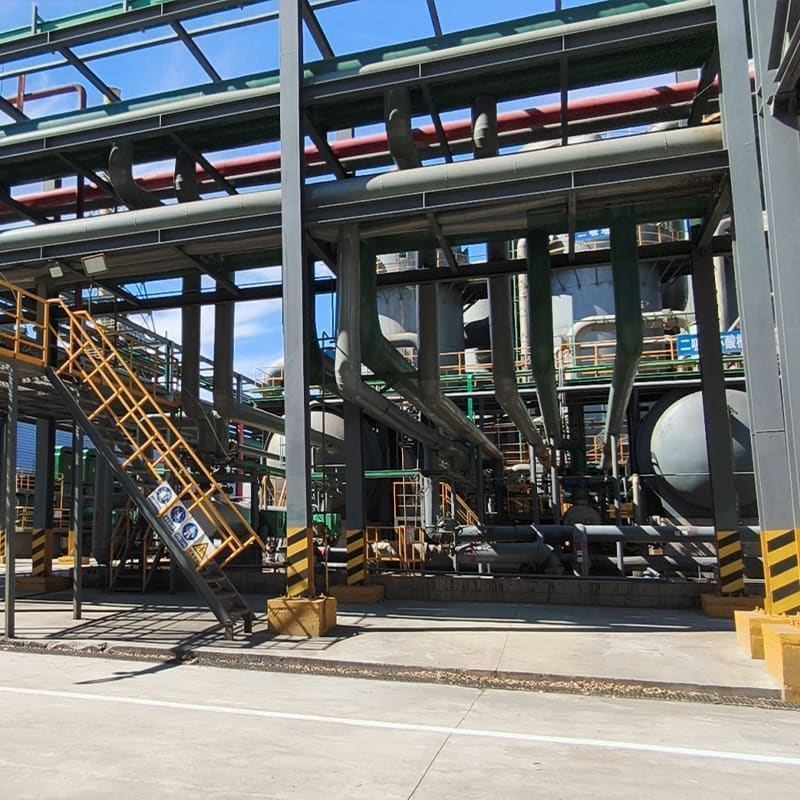
If the converter temperature does not rise evenly, check burner distribution, air flow, damper position, and the temperature transmitters before increasing fuel. If acid strength falls unexpectedly, look for water ingress, wash-water carryover, condensate, or an incorrect tank transfer. If pressure drop rises, inspect for moisture, catalyst movement, demister loading, or a blocked duct; do not compensate blindly with more blower speed.
For buyers comparing a new line, the sulfuric acid production line specification should state the startup heating method, purge arrangement, acid circulation logic, analyzer scope, and operator training boundary. These details affect the transition risk more than a simple equipment list.
The sulfuric acid process equipment should also be reviewed against utility-loss scenarios. Confirm how the plant responds to a blower trip, cooling-water interruption, loss of instrument air, or an analyzer failure before approving the final cause-and-effect chart.
The sulfuric acid plant commissioning support should include operator walk-downs, alarm reviews, and a clear boundary between supplier guidance and the site’s permit-to-work system.
Supplier Scope
Hebei Aoliande Chemical Equipment Co., LTD. supplies sulfuric acid production line equipment and related engineering support. The scope can be organized around process sections, acid circulation, gas handling, automation interfaces, installation guidance, and commissioning support. Buyers should provide feed conditions, utility data, local code requirements, operating philosophy, and expected outage duration so the transition plan matches the actual project.
Conclusion
A dependable sulfuric acid plant startup or shutdown is built from controlled temperature movement, dry gas management, stable acid circulation, deliberate hold points, and clear handover records. The safest plan is specific enough to guide the field team yet flexible enough to respect the converter, catalyst, and tower design supplied for the project.
FAQs
These questions address the operating decisions that most often affect a controlled transition.
How long should a sulfuric acid plant be preheated?
There is no universal duration. It depends on converter mass, catalyst condition, burner capacity, refractory limits, ambient conditions, and the approved heating rate. Use bed temperature trends and the supplier procedure rather than a clock-only target.
Why is dry air important during shutdown?
Dry air removes sulfur oxides and limits moisture entering equipment as it cools. Moisture can combine with residual sulfur oxides, promote acid condensation, damage catalyst strength, and increase pressure drop during the next startup.
When should sulfur feed be introduced?
Sulfur feed should begin only after acid circulation, drying, draft, burner operation, and converter temperature conditions are stable. The plant procedure should define the minimum conditions and the hold points for increasing feed.
What records should be kept after a shutdown?
Keep the final acid strength and levels, sulfur-feed stop time, purge status, converter temperatures, damper and valve positions, alarms, bypasses, and outstanding maintenance items. These records form the starting point for the next startup.