
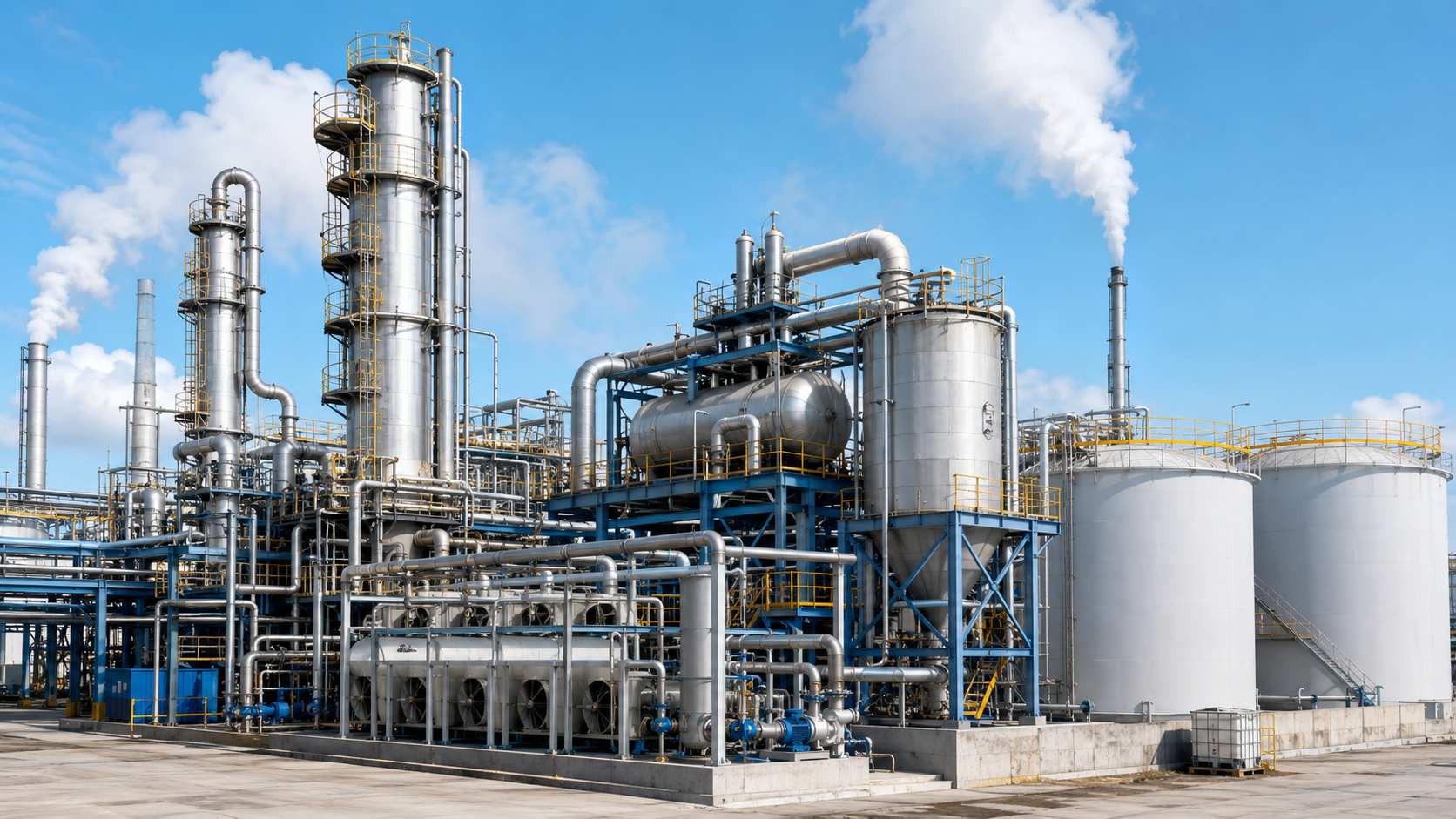
As a result of its application in processes such as alkylation, sulfonation, nitration, and pigment manufacturing, among others, the sulfuric acid will end up having impurities such as water, hydrocarbons, salts, metals, and even some solid impurities.
A spent sulfuric acid regeneration plant converts this sulfur value back into useful acid. In wet configurations, water stays in the process gas and helps form sulfuric acid before condensation. The route can recover heat, reduce liquid waste, and support a steady acid supply.
What Spent Sulfuric Acid Regeneration Does
Sulfuric acid regeneration through spent sulfuric acid involves breaking up the impurities in the acid, cleaning up the acid by removing the impurities, converting sulfur dioxide to sulfur trioxide, and producing pure H2SO4. It is distinct from the process of concentrating, which only evaporates water.
It also differs from a sulfur-burning sulfuric acid production line. A sulfur-to-acid plant starts with clean elemental sulfur, while a spent acid recovery unit handles a variable, corrosive feed. Feed testing therefore drives the design.
How the Wet Sulfuric Acid Process Works
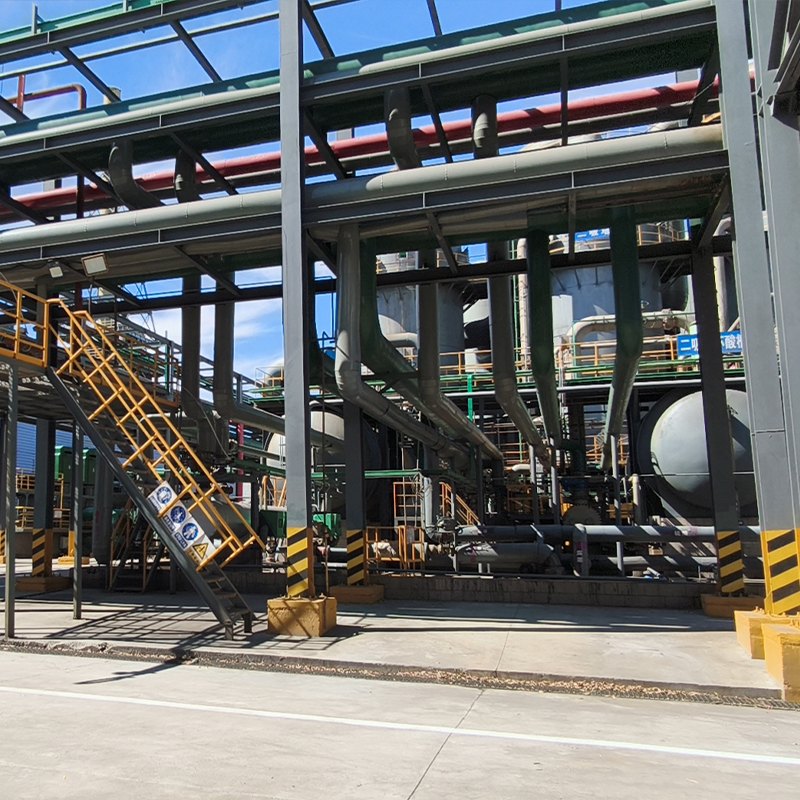
The wet sulfuric acid process follows a clear reaction path, but the equipment arrangement depends on acid strength, organic loading, ash, salts, capacity, and local emission limits.
Feed Analysis and Conditioning
The first task is to build a reliable feed profile covering H2SO4 concentration, water, carbon, suspended solids, chlorides, metals, and heating value.
Settling, filtration, blending, or pre-concentration may be added before the furnace. Mixed chemical waste acid often needs a blend tank to reduce sudden temperature changes. Removing excess water can also cut fuel use and downstream gas volume.
Thermal Decomposition and Heat Recovery
Conditioned acid is atomized into an acid regeneration furnace. Typical decomposition temperatures are around 1,000–1,200°C. H2SO4 is converted mainly into SO2, oxygen, and water vapor. Organic compounds are burned, while non-volatile contaminants leave as ash or remain in the gas as fine particles.
The hot gas then passes through a waste heat boiler. Recovered steam can serve nearby users, heat feed water, or reduce demand on a separate boiler, improving the operating balance.
Gas Cleaning and Catalytic Conversion
Dust and trace contaminants must be removed before the catalyst. Depending on the feed, gas cleaning may use a hot gas filter, electrostatic precipitation, wet scrubbing, or combined methods. Poor cleaning can plug equipment, poison catalyst, raise pressure drop, and shorten campaign length.
Clean SO2-bearing gas flows through catalyst beds, where SO2 reacts with oxygen to form SO3. Interstage cooling keeps the reaction within its useful temperature range and recovers more heat. Online SO2, oxygen, temperature, and pressure readings help operators detect poor conversion or fouling early.
Acid Formation and Condensation
In a wet gas sulfuric acid route, SO3 reacts with water vapor to form gas-phase sulfuric acid. The gas is cooled in a WSA condenser, where acid condenses and flows to the product system. Commercial acid near 98% concentration can be produced when feed conditions and plant control are suitable.
The final section normally includes acid cooling, storage, mist separation, and tail-gas monitoring. Stable cooling matters. Condensation in the wrong location can expose ducts, exchangers, or fans to severe corrosion.
Wet and Dry Regeneration Compared
Both routes can produce reusable acid. The better choice depends on feed quality, utilities, waste rules, and the way recovered acid will be used.
| Design point | Wet regeneration route | Conventional dry route |
| Water in process gas | Retained through conversion | Removed before conversion |
| Acid recovery | Gas-phase acid condensation | SO3 absorption in strong acid |
| Gas cleaning | Often hot filtration or tailored cleaning | Commonly quenching, scrubbing, and drying |
| Liquid waste | Can be lower | May include scrubber streams |
| Best fit | Selected wet gases and spent acids | Broad range of contaminated acid feeds |
Wet vs dry sulfuric acid regeneration should not be selected from a brochure alone. A supplier needs representative feed samples, normal and peak flow, operating hours, fuel data, cooling-water conditions, and required product quality.
Common Industrial Applications
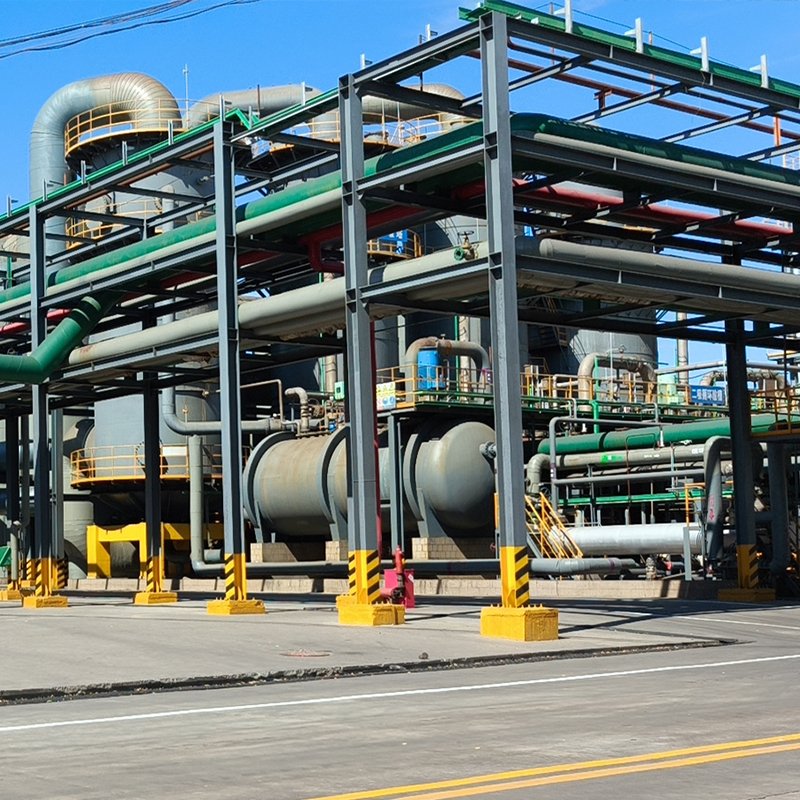
Refinery spent acid regeneration is closely linked to sulfuric acid alkylation. The resulting alkylation spent acid contains hydrocarbons and water. Returning regenerated acid to the alkylation unit can reduce outside acid purchases and limit long-distance movement of hazardous material.
Acid recovery from chemical plants is possible from sulfonation processes, nitration, detergent intermediates, dyes, resins, and special chemicals. Chloride, fluoride, arsenic, metals, or ash content will affect materials, gas treatment, catalyst protection, and residue management.
Main Equipment and Design Decisions
A sulfuric acid recycling system is built around the process, not a fixed equipment list. A typical scope may include:
- spent acid storage, filtration, blending, and feed pumps;
- an acid regeneration furnace and atomization system;
- a waste heat boiler and steam drum;
- gas cleaning equipment and a process blower;
- an SO2 converter, catalyst beds, and heat exchangers;
- a WSA condenser or absorption section;
- acid cooling, storage, mist control, DCS controls, and safety interlocks.
Materials, Corrosion, and Plant Control
Material choice changes with acid strength and temperature. Carbon steel may work in selected strong-acid service, while stainless steel, lined vessels, ceramics, acid-resistant alloys, or FRP may be required elsewhere. A low purchase price offers little value if corrosion causes repeated leaks.
Control logic should cover furnace flame status, acid flow, gas temperature, pressure drop, cooling duty, acid level, and stack readings. Startup and shutdown need careful procedures because unwanted condensation is more likely during transitions.
Selecting Capacity and Project Scope
Sulfuric acid regeneration plant cost is shaped by more than tons per day. A small feed with high ash or chlorides may need a more complex cleaning section than a larger, cleaner stream. Fuel price, steam credit, product demand, storage, civil works, materials, and emission controls all change the business case.
Before requesting a proposal, prepare representative feed data: average and peak flow, acid strength, contaminants, operating schedule, target concentration, utility conditions, and stack limits. This allows sound sizing of the furnace, boiler, converter, condenser, tanks, pumps, and gas system.
Hebei Aoliande Chemical Equipment Co., Ltd.
Hebei Aoliande Chemical Equipment Co., Ltd. supplies sulfuric acid production line equipment and related chemical production systems. Its sulfur-to-acid configuration covers sulfur melting and filtration, sulfur combustion, catalytic conversion, drying and absorption, acid cooling, and final product storage.
The company combines manufacturing with material, structural, and process design support. Its service scope includes technical consultation, equipment and material supply, transport coordination, and installation supervision. For spent sulfuric acid recovery, the practical starting point is a feed analysis and written process requirement rather than a standard package. This helps match corrosion protection, heat recovery, emission control, and capacity to actual site conditions.
Conclusion
Wet spent sulfuric acid regeneration can turn a difficult waste stream into reusable acid while recovering useful heat. The main gains come from sound feed testing, stable furnace operation, effective gas cleaning, reliable SO2 conversion, controlled condensation, and suitable materials.
When feed composition, capacity, product quality, utilities, and emission limits are clear, a sulfuric acid production line supplier can prepare a process route, equipment list, utility balance, and project scope for technical and commercial review.
Frequently Asked Questions
What determines sulfuric acid regeneration plant cost?
The main factors are feed flow, acid concentration, organic content, ash, corrosive contaminants, fuel demand, heat recovery, product specification, emission controls, materials, automation, and site construction. Reliable feed data is needed before a meaningful price can be prepared.
What is the difference between a WSA process and a sulfur-burning acid plant?
A WSA process treats wet sulfur-bearing gas and recovers acid by condensation. A sulfur-burning plant starts with elemental sulfur, dries combustion air, converts SO2 to SO3, and absorbs SO3 in circulating sulfuric acid. Their feed and acid recovery sections are different.
Can an existing sulfuric acid production line process waste acid?
Not automatically. The furnace, gas cleaning system, materials, catalyst protection, blower capacity, heat balance, and emission controls must be checked. A clean sulfur-burning line may need major changes before it can safely accept contaminated waste acid.