

A sulfuric acid production line depends on reliable temperature, flow, pressure, level, and analytical measurements. These values control sulfur melting, catalytic conversion, acid circulation, cooling, storage, and loading.
Field instruments face hot sulfur, concentrated acid, acid mist, corrosive gas, vibration, and steam tracing. A reading may look believable while drifting. Reliability depends on the complete loop: process connection, sensing method, material, installation, wiring, calibration, and maintenance.
Why Sulfuric Acid Plant Instruments Become Unreliable
Most failures follow repeatable patterns linked to the process medium and installation.
Corrosion Reaches Beyond the Sensor
Sulfuric acid corrosion changes with concentration, temperature, velocity, and contamination. A material that performs well in cool concentrated acid may fail in hot or diluted acid. Dilution points are severe because acid-water mixing releases heat.
Damage also affects impulse lines, cable glands, and junction boxes. Acid mist entering a poorly sealed enclosure can destabilize the signal.
Plugged Connections Produce False Readings
Pressure taps and differential-pressure lines can collect sulfur, scale, catalyst dust, or corrosion products. The displayed value then becomes slow, biased, or frozen. A blocked line may also trap liquid and create a false hydrostatic head.
Where plugging is common, short connections, remote seals, purge points, or non-intrusive measurement can be more dependable than long impulse tubing.
Heat, Vibration, and Poor Location Cause Drift
A transmitter beside a hot duct or steam-jacketed sulfur pipe may exceed its ambient limit. Blower and pump vibration can loosen terminals or damage thermowells. Flow meters near elbows, control valves, flashing liquid, or air pockets may never deliver stable values.
Build Reliability Into Instrument Selection
Reliable field measurement starts before equipment is ordered. The measuring principle must fit actual process conditions, not only pipe size and nominal range.
Rank Measurement Points by Risk
Critical loops deserve more attention than indication-only points:
- Safety-critical: tank overfill, burner air failure, boiler protection, high converter temperature
- Production-critical: sulfur feed, acid circulation, drying-air condition, product acid flow
- Quality-critical: acid concentration, absorption temperature, final product measurement
- Utility-critical: steam, cooling water, instrument air, and condensate recovery
For each point, define alarm limits, response time, proof-test method, and any independent backup.
Match the Technology to the Failure Mode
| Measurement duty | Typical problem | Practical response |
| Molten sulfur flow | Coating, viscosity, plugged taps | Keep lines heated and avoid dead legs |
| Acid circulation flow | Corrosion, leaks, clogged lines | Use compatible wetted parts or an external method |
| Tower or tank level | Mist, foam, density change | Use top-mounted non-contact or sealed pressure measurement |
| Converter temperature | Drift, thermowell damage | Use suitable protection and compare nearby points |
| Gas pressure drop | Dust or acid condensation | Use short heated connections and flushing access |
No single material or instrument type suits every sulfuric acid plant. Selection data should include acid concentration, upset temperature, velocity, solids, gas composition, hazardous-area class, cleaning method, and maintenance access.
Specify the Complete Assembly
The datasheet should cover diaphragm and gasket materials, flange rating, thermowell, root valve, flushing port, heat tracing, cable gland, enclosure protection, grounding, and mounting position. Signal cables should be separated from motor power cables.
Improve Measurement by Process Section
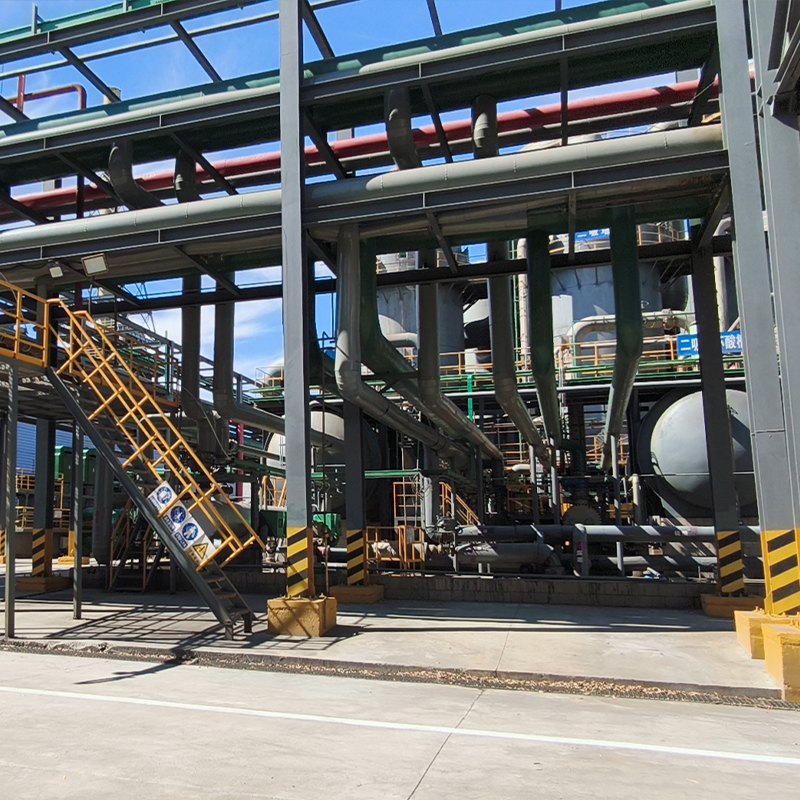
A sulfur-burning sulfuric acid production line normally contains sulfur melting, combustion and conversion, drying and absorption, and final product handling.
Sulfur Melting and Filtration
Molten sulfur is commonly held near 135°C to 145°C so it stays pumpable without needless overheating. Temperature elements should measure moving liquid rather than a stagnant pocket beside a heating coil. A low-temperature alarm can warn of rising viscosity before a filter or pump loses capacity.
Differential pressure across sulfur filters is useful only when both sensing lines remain clear and similarly heated. A tracing failure can look like a blocked filter, so local temperature checks should be part of troubleshooting.
Combustion and Catalytic Conversion
Sulfur feed, dry-air flow, furnace pressure, and converter-bed temperatures form one operating picture. A bad sulfur-flow signal may appear as an oxygen or conversion problem. Related variables should be cross-checked before a control valve is adjusted.
Converter temperature measurement needs suitable thermowells, insertion depth, and several points across the gas path. One sensor may miss channeling or a local hot spot.
Drying and Absorption
Acid circulation flow, acid temperature, tower differential pressure, and concentration are closely linked. Low flow may reduce packing wetting, while high temperature can raise corrosion risk. Cooler inlet and outlet readings separate acid-side faults from cooling-water problems.
Acid mist and condensation can block pressure connections. Proper slope, heating, and flushing points reduce false readings. On selected acid lines, clamp-on flow measurement can reduce process-contact corrosion and leak exposure because the sensor stays outside the pipe.
Product Cooling and Storage
Product flow, temperature, and tank level support inventory control and safe loading. The continuous level transmitter used for inventory should be separate from an independent high-high switch used for overfill protection.
Use Maintenance Data, Not Only Fixed Calendars
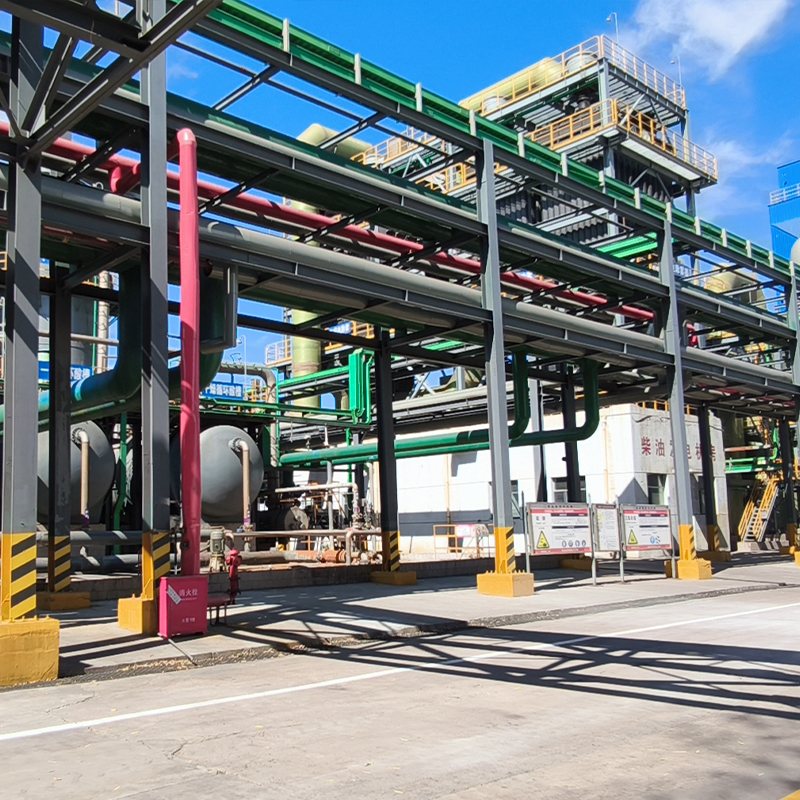
Fixed calibration intervals may miss fast-degrading instruments. Combine routine checks with condition data.
- Compare transmitter output with local gauges and related variables.
- Record as-found and as-left values; repeated zero shift signals a failure pattern.
- Inspect seals, heat tracing, insulation, cable glands, and brackets before replacement.
- Review bad-actor instruments monthly and remove the root cause.
- Keep critical spares with matching materials, ranges, approvals, and connections.
- Test alarms and shutdown actions from the sensor to the final element.
Smart diagnostics may reveal sensor degradation, plugged impulse lines, excessive noise, or abnormal device temperature. Alerts become useful when they trigger a clear action and are reviewed with process trends.
Hebei Aoliande as a Sulfuric Acid Production Line Supplier
Hebei Aoliande Chemical Equipment Co., LTD. supplies chemical production equipment and provides material and structural design, technical advice, equipment supply, transportation, and installation supervision. Its sulfuric acid production line covers sulfur melting, combustion and conversion, drying and absorption, and product handling.
The company reports around 300 employees, research and quality-control staff, and management-system certifications covering quality, environmental, and workplace safety practices. Its wider chemical and FRP equipment work adds experience with corrosive materials and plant interfaces.
Conclusion
Improving sulfuric acid plant instrument reliability requires more than a higher-grade transmitter. Reliable loops begin with correct process data, compatible materials, suitable measuring principles, sound installation, and maintenance based on failure history. The best results come from reviewing connected measurements together: sulfur flow with furnace temperature, acid flow with tower pressure drop, and tank level with transfer flow. Treating the whole measurement chain as process design leads to steadier operation, fewer false alarms, and safer maintenance.
FAQs
What causes most sulfuric acid plant instrument failures?
Common causes include corrosion, plugged pressure connections, acid mist inside enclosures, excess heat, vibration, wrong wetted materials, and poor location. Many failures begin in the process connection, impulse line, cable gland, or grounding system.
How can acid flow measurement become more reliable?
Use accurate concentration, temperature, velocity, and solids data. Select compatible wetted materials and avoid pockets where gas or solids collect. On suitable pipes, non-intrusive flow measurement can reduce corrosion and leakage risk.
How often should sulfuric acid plant instruments be calibrated?
There is no universal interval. Safety-critical loops follow proof-test requirements, while other devices should be scheduled from service severity and as-found history. Repeated drift calls for repair, relocation, or redesign.
Which measurements are most important in a sulfuric acid production line?
Key points include molten sulfur temperature and flow, combustion-air flow, furnace and converter temperatures, gas pressure drop, acid circulation flow, acid temperature and concentration, cooling-water performance, product flow, and storage-tank level.
Can better instrumentation reduce sulfuric acid plant downtime?
Yes. Reliable measurements reveal plugging, cooling loss, pump problems, abnormal reaction temperature, and inventory risk before shutdown events. The biggest gains appear when diagnostics, maintenance records, and process trends are reviewed together.